
Vandaag of morgen in huis

Kwaliteit gegarandeerd

Welkomstaanbiedingen ontgrendelen: GRATIS bezorging | Tot 80% korting | Gratis 30 dagen JoyPlus-proefperiode
Download de app
Buying sweet snacks seems simple, until you have to choose from dozens of bags of sweets, biscuits, chocolate snacks and international products. A striking packet tells you little about what’s inside. And a large pack isn’t automatically better value when you’re after small portions or when a product dries out quickly after opening.
The most common pitfalls:
When buying snacks online, three checkpoints matter: contents, ingredients and allergens, and packaging.
A 200g bag looks appealing for a film night, but individual portion packs can be more practical for a party or a treat. Also pay attention to the composition:
Nutritional values aren’t a judgement on a product. They mainly help you choose snacks that suit the occasion and your budget.
European labelling rules require sellers and producers to clearly indicate major allergens. When buying sweets, buying biscuits or putting together a snack hamper, check for:
The product page is handy for initial research, but the information on the actual packaging is what counts. Recipes can change.
Most sweet snacks should be stored in a cool, dry place away from direct sunlight. Seal opened bags tightly to limit loss of crunchiness and flavour. For products with a short use-by period after opening, this is specifically stated.
For a store cupboard, items like speculaas, stroopwafels and individually wrapped chocolate bars are practical. For sharing straight away, a sweet mix, a larger biscuit pack or a snack hamper is often more convenient. With international products, also check the language on the label, the responsible importer and the stated best-before date.
The selection below is based on verifiable data such as weight, packaging, ingredients, nutritional information and allergens. Taste experience remains personal.
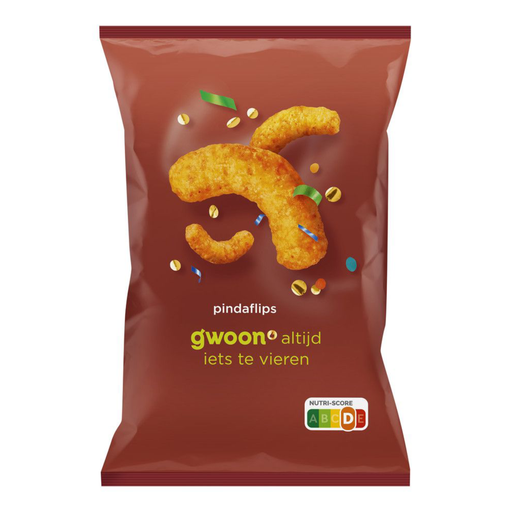
Why this fits the profile: A 200g bag is suitable for a regular snack stash or a small film night. The combination of peanuts and milk chocolate offers a clear flavour profile without needing to buy multiple products.
The weight, ingredients and allergens are clearly stated. This lets you compare the contents based on facts rather than just the packaging.
200g; 50% peanuts according to the product information; contains no added sugars according to the stated nutritional data.
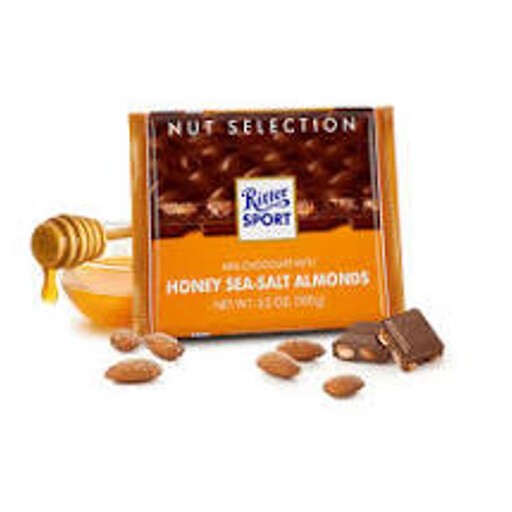
Why this fits the profile: This chocolate bar combines honey-coated almonds with a pinch of sea salt. That makes it suitable as a small treat or as part of a varied gift hamper.
The ingredients list states the almond content of 20% and names milk and soya as allergens. Also check the statement about possible traces on the packaging.
100g; almonds with honey flavouring; according to the product information, made with certified sustainable cocoa.
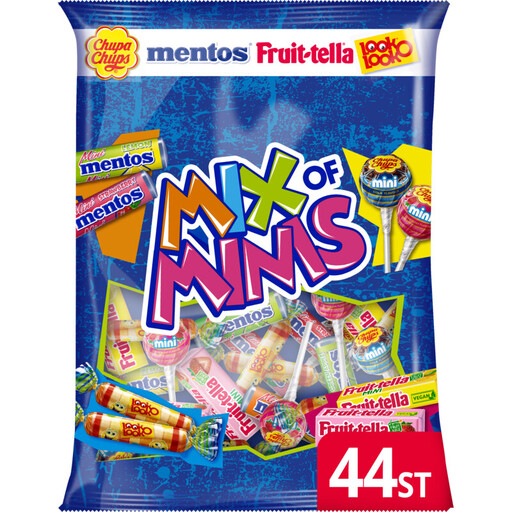
Why this fits the profile: The individual wrappers are practical for birthdays, offices, visitors and a snack hamper. The mix includes Fruitella, Mentos, Chupa Chups and Look-O-Look among others.
The contents are designed for sharing and consist of individual sweets. This means you don’t have to store one large opened bag all at once.
410g; individually wrapped sweets; according to the product information, none of the 14 major EU allergens.
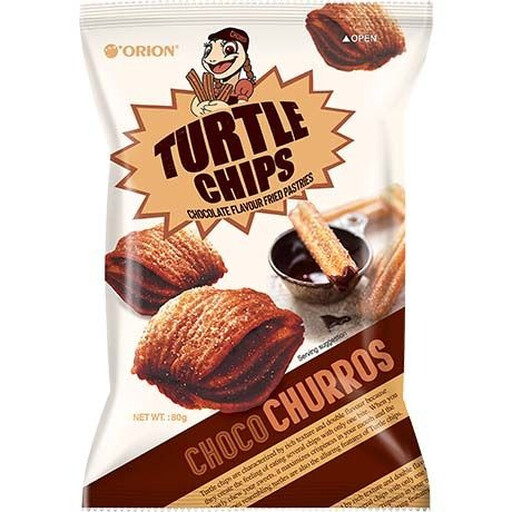
Why this fits the profile: This Korean snack is for anyone looking for a sweet, crunchy option alongside Dutch biscuits and stroopwafels. The four-layer structure is mentioned in the product information.
The product information states the weight of 80g, the main allergens and the nutritional value. This lets you see in advance that it’s a smaller bag.
80g; chocolate churros flavour; product information mentions a four-layer crunchy texture; contains wheat, milk and soya.
We’ve put together a full, up-to-date list of products that fully meet these strict selection criteria and comply with current European safety regulations.
You can search online within separate categories for sweets, biscuits, chocolate snacks, crisps and savoury snacks. Compare weight, ingredients, allergens and shelf life. For a party, individually wrapped sweets or a snack hamper are often more practical than several opened bags.
International snacks offered in the Netherlands must be provided with the required product information. Always check the Dutch labelling, allergens, responsible importer and best-before date. Use the product page for preparation and read the packaging upon receipt.
Combine different textures and flavours: for example, chocolate snacks, stroopwafels, Dutch biscuits and one or two Asian snacks. Choose a larger pack when sharing and individual packs when hygiene, storage or portion control matters. This way you tailor the purchase to the number of people rather than just the most eye-catching offer.
