
Vandaag of morgen in huis

Kwaliteit gegarandeerd

Welkomstaanbiedingen ontgrendelen: GRATIS bezorging | Tot 80% korting | Gratis 30 dagen JoyPlus-proefperiode
Download de app
The vitamin and supplement aisle can be overwhelming. Bottles and tubs promise more energy, a stronger immune system, or sharper focus. But how do you know which product is right for you and what to look for? Many people choose a supplement based on vague promises, only to end up with a product that doesn't meet their needs. Let's review the most common pitfalls so you can make an informed choice.
Before you purchase any supplements, there are a few objective specifications you can check. This will help you look past the marketing and assess the quality of a product.
Not all forms of a mineral are created equal. Magnesium is a great example of this. Magnesium oxide is a common, inexpensive form, but it is less easily absorbed by the body. Forms like magnesium citrate and magnesium bisglycinate are organically bound and have higher bioavailability. This means your body can make better use of them. The same applies to other minerals like iron, where iron bisglycinate is often better tolerated than iron sulphate.
Every label lists the amount per dose and often a percentage of the Reference Intake (RI). The RI is a guideline for the average daily amount of a nutrient an adult needs. A product with 100% of the RI for vitamin C provides exactly that recommended amount. For some goals, like supporting your immune system in the winter, a higher dosage may be desirable. For other substances, a dosage below 100% of the RI is sufficient, especially if you also get it from your diet.
Always take a look at the full list of ingredients. Does the product contain unnecessary sugars, fillers, or allergens? A quality supplement focuses on the active ingredients. Also, check who the product is intended for. Some supplements are not suitable for children or during pregnancy. This information is always stated on the packaging.
To help you get started, we have highlighted a few products that suit different needs and lifestyles.
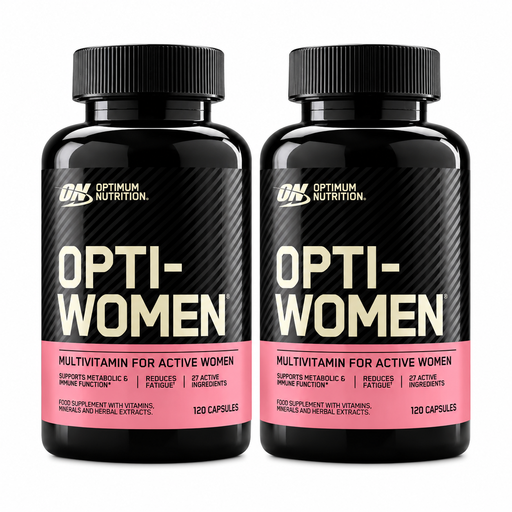
Why This Fits Their Persona: This multivitamin is specifically formulated for women with an active lifestyle. It provides support during busy periods or intensive training, with a focus on energy and recovery.
This isn't a generic multivitamin, but a formula tailored to the specific needs of active women, including iron and folic acid.
Contains over 20 active ingredients, including B vitamins that support energy metabolism and help reduce fatigue.

Why This Fits Their Persona: Ideal for athletes who want to support their muscles and energy levels. Magnesium plays a role in maintaining flexible and strong muscles and promotes energy metabolism.
This product focuses on absorption by exclusively using magnesium citrate and bisglycinate, instead of less effective forms.
The combination of two highly absorbable forms of magnesium provides effective support for muscle function and helps with fatigue.
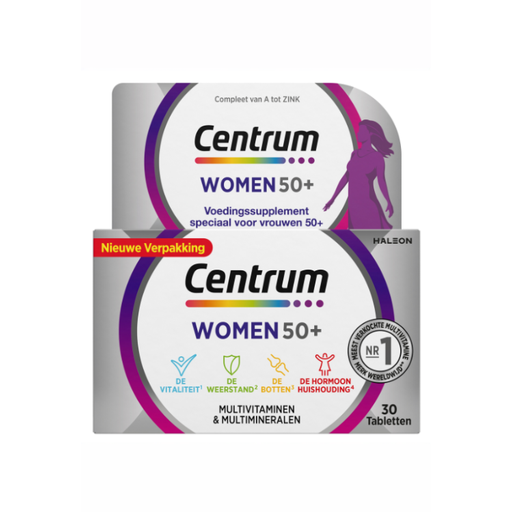
Why This Fits Their Persona: Specially developed for the changing nutritional needs of women over 50. It takes into account hormonal changes and the increased need for specific nutrients.
This product is the opposite of a 'one-size-fits-all' approach. It is precisely tailored to a specific demographic with unique needs.
Supports energy, immunity, bones (calcium, vitamin D & K), and hormonal activity (vitamin B6). Gluten and lactose-free.
We have compiled a complete, real-time list of products that fully satisfy these strict selection criteria and UK safety regulations.
It depends on the type of vitamin. Fat-soluble vitamins (A, D, E, and K) are best taken with a meal that contains some fat, as this improves absorption. Water-soluble vitamins like vitamin C and the B vitamins can be taken with a glass of water. B-complex vitamins are often recommended in the morning as they are involved in energy production. To be sure, always read the directions on the packaging.
The effect of a supplement varies from person to person and by substance. Some ingredients, like caffeine for better concentration, work within an hour. For replenishing a deficiency, for example with iron tablets or vitamin D, it can take several weeks to months before the body's levels are restored and you notice a difference. Patience and consistent use are key.
A multivitamin can be a good supplement to your daily diet to ensure a broad base of nutrients. However, if you have a specific goal, such as better sleep, reducing stress, or improving your athletic performance, a targeted supplement is often a more effective choice. For example, a men's multivitamin may have a different focus than a women's multivitamin. Analyse your personal needs to make the right choice.
