
Vandaag of morgen in huis

Kwaliteit gegarandeerd

Welkomstaanbiedingen ontgrendelen: GRATIS bezorging | Tot 80% korting | Gratis 30 dagen JoyPlus-proefperiode
Download de app
The sunscreen aisle can be overwhelming. Dozens of bottles promise perfect protection, but how do you know which claims to trust? Many people choose a product based on a high SPF or attractive packaging, only to find out later that the texture is sticky, leaves a white cast, or irritates their skin.
As a Joybuy Product Recommendation Officer, I'm here to help you make the right choices. We'll look beyond the marketing and focus on what really matters. Let's discuss two common pitfalls that can save you money and frustration.
To avoid purchase regret, it's helpful to check three key points. These specifications determine whether a product is right for your skin and lifestyle.
The SPF (Sun Protection Factor) on the packaging indicates the level of protection against UVB radiation, which causes sunburn. A factor of 30 or 50 is a solid choice for most situations.
Protection against UVA radiation is just as important. These rays penetrate deeper into the skin and are the main cause of premature skin ageing.
The texture determines how pleasant a sunscreen feels and whether you'll actually want to use it every day.
Look beyond just the protection factor, especially if you have specific needs.
Based on these objective criteria, we have selected a few products that suit different user profiles.
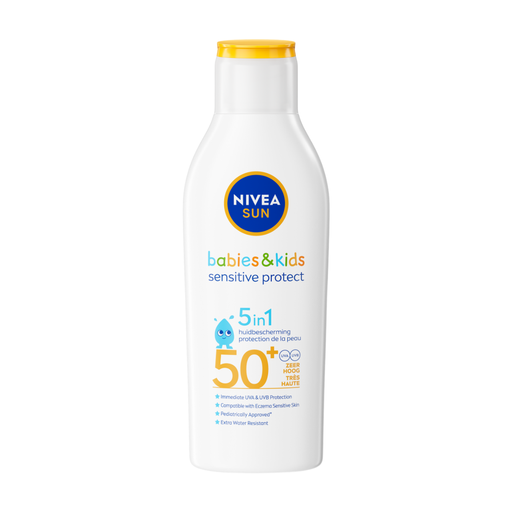
Why This Fits Their Persona: This sunscreen milk is specially developed for the most vulnerable skin. It's fragrance-free and, according to NIVEA, suitable for eczema-prone skin, giving parents peace of mind. The high SPF 50+ protection is ideal for children at play.
The packaging states "extra water-resistant," but the instructions emphasize that you must reapply regularly. This helps avoid the "water-resistant" pitfall and encourages correct usage.
Fragrance-free and approved by paediatricians. The formula with organic chamomile is designed to minimise skin irritation.
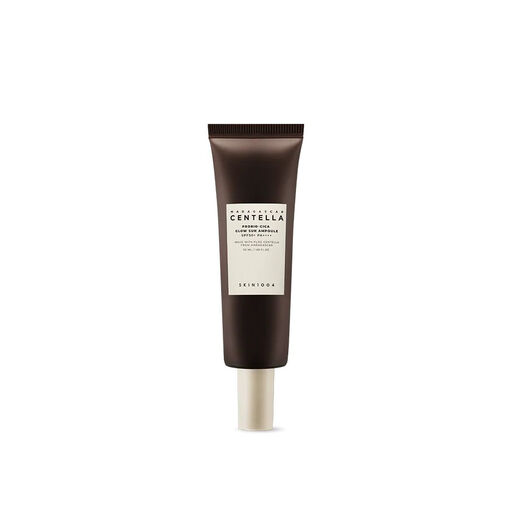
Why This Fits Their Persona: This is a prime example of a popular Korean sunscreen that combines skincare and protection. Its light, serum-like texture is perfect for daily use under makeup and leaves no white cast.
This product proves that high protection (SPF 50) doesn't have to come at the expense of a pleasant texture. It's a facial sunscreen you'll actually want to wear, which promotes consistent use.
A watery, ampoule-like formula that provides a 'glowy' finish. Contains nourishing ingredients like Centella Asiatica and Niacinamide.
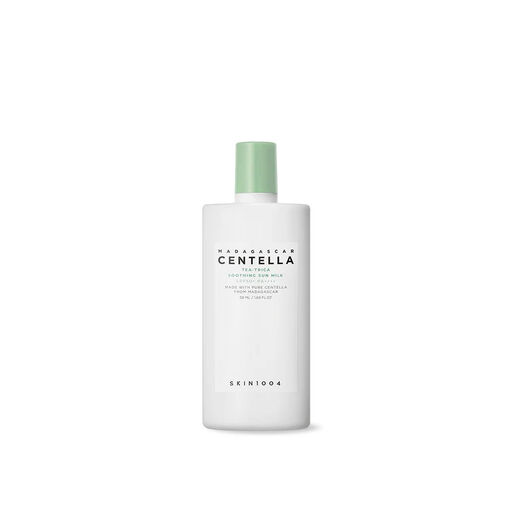
Why This Fits Their Persona: People with oily or acne-prone skin need a lightweight, non-clogging formula. According to the brand, this sun milk is non-comedogenic and contains calming ingredients like Tea Tree and Centella Asiatica, aimed at soothing irritated skin.
This product shatters the myth that sunscreen is heavy and greasy. Its light, milky texture absorbs quickly and leaves a refreshing feel, making it an excellent choice for those who find traditional creams too heavy.
Non-comedogenic formula suitable for acne-prone skin. According to the manufacturer, it provides a clinically proven cooling effect.
We have compiled a complete, up-to-date list of products that meet these strict selection criteria and local regulations.
A common mistake is not applying enough. For an adult's body, an amount of about 30-35 ml is recommended, which is equivalent to a full shot glass. For your face and neck, you need about half a teaspoon. Apply the product 15-20 minutes before sun exposure and reapply every two hours.
Both types are safe and effective. The choice depends on your personal preference and skin type.
Check the packaging for an open jar symbol with a number inside (e.g., "12M"). This number indicates how many months the product is good for after opening. If you left the bottle in the full sun on the beach last year, the effectiveness of the filters may have decreased. When in doubt, it's always safer to buy a new sunscreen.
