
Vandaag of morgen in huis

Kwaliteit gegarandeerd

Welkomstaanbiedingen ontgrendelen: GRATIS bezorging | Tot 80% korting | Gratis 30 dagen JoyPlus-proefperiode
Download de app
Buying sunglasses seems simple until you have to choose between UV400, polarisation, TR90, different lens colours and a folding design. A low price says little about comfort or suitability for driving, cycling or travelling. If you focus solely on appearance, you could end up with sunglasses that slip, scratch easily or barely get worn.
Use these checkpoints to compare sunglasses based on the features that matter in everyday use. We’ll then look at some popular choices for daily wear and outdoor activities.
A dark lens does not automatically offer sufficient protection. Check that the product information specifies UV400 protection. According to the product descriptions of the models mentioned, this means protection against ultraviolet light up to 400 nanometres. Also pay attention to the source of any claims: percentages such as 99.8% or 99.9% come from the manufacturer’s information and should not be interpreted as a universal guarantee for every pair of sunglasses.
Polarised sunglasses mainly reduce distracting reflections from wet roads, water and metal surfaces, for example. This is useful when cycling, boating or driving. However, polarisation does not replace checking for UV400 protection. Look for both features separately in the product specifications.
Sunglasses that are regularly kept in a bag or jacket pocket endure more wear and tear than a pair that stays at home. A thin hinge may start to feel looser over time. With folding sunglasses, it is therefore sensible to check the material used, the folding mechanism and whether a storage case is included. Always fold the sunglasses along the intended hinge points.
UV400 protection is an important basic criterion for sunglasses intended for everyday use. Also check whether information about the lens category or light transmission is available. A low VLT value allows less visible light through and may be suitable for bright sunlight, while a lighter lens can be more practical in changeable conditions.
For driving, consistent visibility is important. Polarised lenses can reduce glare from the road surface, but always check that you can read the dashboard and traffic information clearly. Photochromic lenses may not become as dark behind a windscreen because car windows block some UV light.
A TR90 pair of sunglasses uses a thermoplastic material that, according to the product information, is lightweight and flexible. This can be comfortable when worn for long periods. Don’t just look at the material name; also check the weight and dimensions. According to the product description, the Beneunder FD421 weighs approximately 26 grams. The Revoray Y1 models weigh approximately 33 grams.
Lightweight sunglasses reduce pressure on your nose and ears, but fit is just as important. Check the bridge width, temple length and overall frame width when ordering online.
Anti-reflective sunglasses can reduce distracting reflections on the lens surface. Oleophobic coatings are designed to make fingerprints less noticeable, while scratch-resistant layers can help with normal everyday use. No coating makes a lens completely scratch-proof. Use a microfibre cloth, avoid harsh cleaning products and store the sunglasses in a hard or protective case.
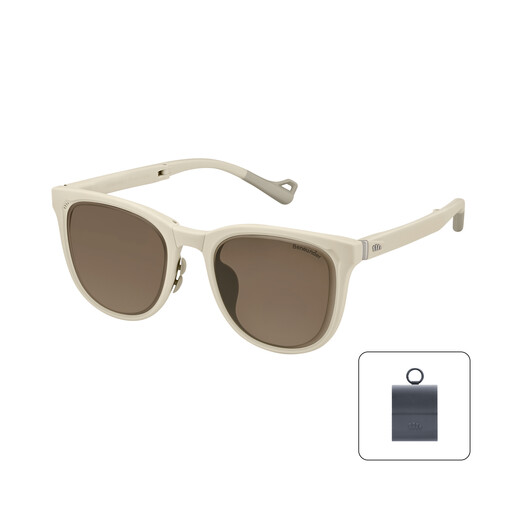
Why it suits this profile: A classic Boston shape with a folding design for everyday use, commuting and travelling.
According to the product description, this model combines UV400 lenses with anti-reflective, oleophobic and scratch-resistant coatings. The frame folds down and has adjustable temples.
TR90 frame, weight of approximately 0.97 oz and a folded thickness of around 1.15 inches according to the product specifications.
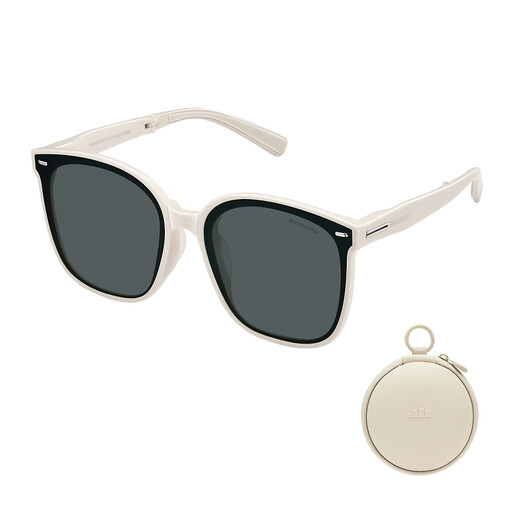
Why it suits this profile: Ideal for anyone who wants to combine comfort, larger lenses and compact storage for travelling or driving.
The manufacturer states that these sunglasses offer UV400 protection, an anti-reflective coating and a tri-fold design measuring approximately 35 mm when folded.
Approximately 26 grams, a TR90 frame and an overall frame width of around 5.71 inches according to the product information.
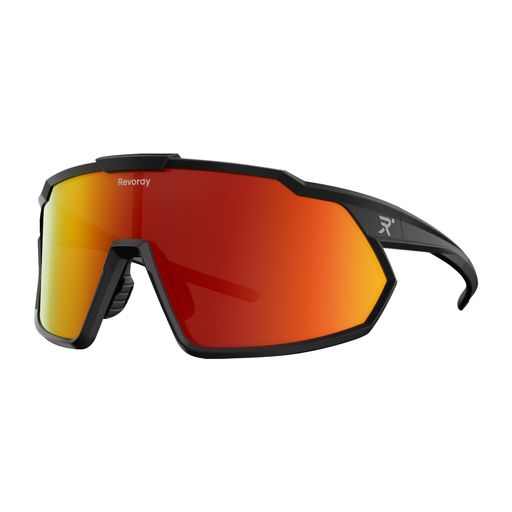
Why it suits this profile: Sunglasses for cycling and other outdoor sports, with grip components and lenses designed to reduce reflections.
According to the manufacturer, this model has polarised TAC lenses, adjustable silicone nose pads and a water- and oil-repellent coating.
Approximately 33 grams, a TR90 frame, a UV400 specification and a stated ANSI Z87.1 impact-resistance performance test.
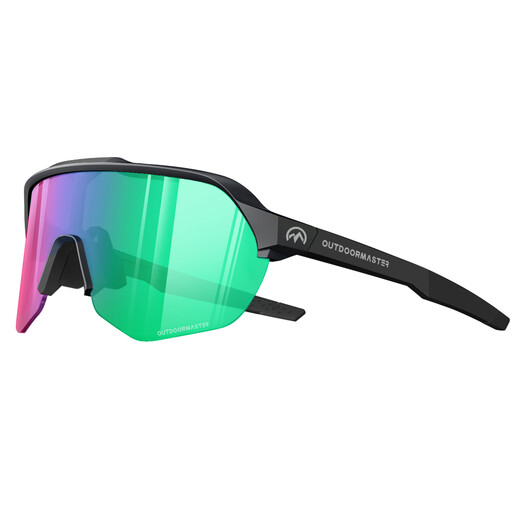
Why it suits this profile: For cycling, golf, fishing, boating and driving when you want the option to change lenses.
The product description specifies polarised UV400 lenses and a clear replacement lens for cloudy or low-light conditions.
TR90 frame, polarised HD lens, protective case and replacement lens according to the product specifications.
We’ve put together a complete, up-to-date list of products that fully meet these strict selection criteria and the applicable European safety requirements.
Choose a pair with a clear UV400 specification and lenses that provide sufficient contrast. Polarisation can reduce reflections from wet tarmac, but check that you can still see the dashboard and screens clearly. Photochromic lenses may change colour less behind a windscreen.
That depends on how they are used, stored and maintained. A frame can last longer if you avoid keeping it loose in a bag. Scratches, loose hinges or distortion are reasons to replace your sunglasses. Clean the lenses with water and a soft cloth, and use a protective case.
Yes, particularly when compact storage is important. Check the dimensions when folded and see whether a case is included. Folding sunglasses are especially handy if you want to carry them in a hand-luggage compartment, jacket pocket or small bag.
