
Vandaag of morgen in huis

Kwaliteit gegarandeerd

Welkomstaanbiedingen ontgrendelen: GRATIS bezorging | Tot 80% korting | Gratis 30 dagen JoyPlus-proefperiode
Download de app
Buying a pair of sunglasses might seem straightforward, but marketing jargon can make comparing them trickier than you’d think. A dark lens, for example, doesn’t automatically mean the glasses offer adequate UV protection. Similarly, “polarised” mainly refers to glare reduction, not UV protection in itself.
For everyday use in the UK – whether you’re driving, cycling or travelling – there are three key pitfalls to watch out for:
UV400 refers, according to the product description, to protection against UV radiation up to 400 nanometres. When buying, don’t just rely on a sticker or a sales title – check the technical details of the model. The product information supplied for the OutdoorMaster and Beneunder models mentions UV400. Some OutdoorMaster models also include CE information.
A CE mark is not a quality rating. It is a declaration of conformity and should be considered alongside the product information, warnings and details of the responsible party in the EU. Do not use ordinary sunglasses for looking directly at the sun, a solar eclipse, welding or laser radiation.
A polarised pair of sunglasses is particularly useful when glare is an issue – for example, on water, tarmac or cycle paths. According to the product description, the OutdoorMaster Hawk II uses polarised TAC lenses with a UV400 specification. The Hawk LT combines polarisation with photochromic technology.
A photochromic pair of sunglasses adjusts its tint according to UV exposure, according to the product description. This is handy when you’re moving between shady and sunny conditions. However, if you’re buying sunglasses for driving, there’s an important limitation: the windscreen can block UV radiation, meaning a photochromic lens may not darken as much inside the car. For drivers, a predictable lens colour is often more practical.
A lightweight pair of sunglasses reduces pressure on your nose and ears during long walks, bike rides or trips. TR90 is a thermoplastic frame material mentioned in the product descriptions of several models. The models listed weigh approximately 26 to 29 grams, depending on the version.
Also check:
A foldable pair of sunglasses is handy for a bag, glovebox or hand luggage. However, hinges are a point to watch: fold the glasses gently in the intended direction and store them in a case.

Why this suits the profile: This model combines a foldable design with a lightweight TR90 frame and is suitable for everyday use, travel and short outdoor activities.
The product description mentions UV400, an OAR anti-reflection coating and a protective case. This makes the key usage details clearer than with a model that only has a fashionable sales name.
Foldable design, TR90 frame, air-cushion nose pads and flexible hinges according to the product data.

Why this suits the profile: This is a sport-focused combination of a polarised and photochromic lens for cyclists, runners and anyone who encounters changing light conditions.
The product data separately mentions UV400, polarisation, photochromic function and impact-resistant polycarbonate lenses. This makes the choice verifiable based on features rather than just appearance.
Weight of 26 to 29 grams depending on the lens version, adjustable nose pads and an included inner frame for an optional prescription insert.
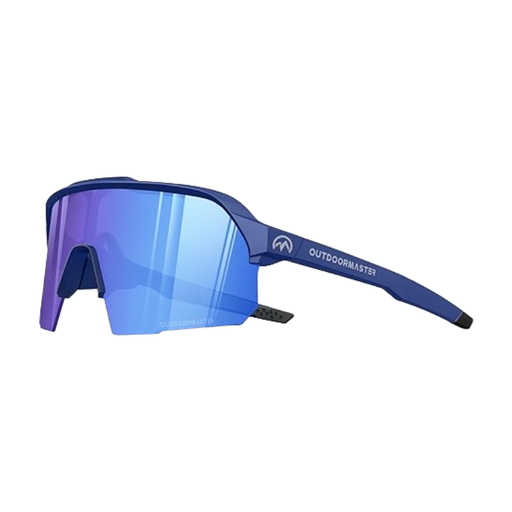
Why this suits the profile: A practical choice for cycling, fishing, golf, boating and driving when glare and changing conditions are a factor.
In addition to a polarised UV400 lens, the product description mentions a clear interchangeable lens for overcast or less bright conditions. The glasses are not intended as industrial eye protection.
TR90 memory frame, polarised HD lens, UV400 specification and an included clear replacement lens.
We’ve put together a full, up-to-date list of products that fully meet these strict selection criteria and comply with current European safety regulations.
A UV400 pair of sunglasses is intended, according to the product information, to block UV radiation up to 400 nanometres. Always check the official specifications, warnings and conformity information for the specific model. Do not use the glasses for looking directly at the sun or for tasks that require specialist eye protection.
Polarisation can reduce glare from the road surface, water and other smooth surfaces. This can be pleasant when driving, but check whether the lens is suitable for your vision and conditions. A photochromic lens may not darken as much behind a windscreen, because the windscreen blocks some UV radiation.
Rinse off dust gently if possible, use a soft microfibre cloth and avoid harsh cleaning products. Store the glasses in the supplied case or pouch and do not leave them in high temperatures for long periods, such as on the dashboard. Replace a pair when the lens is badly scratched or damaged – damage can affect your vision.
