
Vandaag of morgen in huis

Kwaliteit gegarandeerd

Welkomstaanbiedingen ontgrendelen: GRATIS bezorging | Tot 80% korting | Gratis 30 dagen JoyPlus-proefperiode
Download de app
Sunglasses should do more than just complement your outfit. Whether you’re driving, cycling or travelling, you’ll soon notice if the frames stay in place, reduce distracting reflections and are easy to carry around. However, product pages aren’t always easy to compare.
Three common pitfalls to watch out for:
Below, you’ll find the key specifications to look for, along with options for different uses.
UV400 refers to protection from ultraviolet light with wavelengths of up to 400 nanometres. When buying, look beyond the label and check the product details and stated lens materials too. The product specifications provided by several brands claim full or almost full UV400 protection. As this is information supplied by the manufacturer, treat these percentages as product claims rather than a general guarantee for every model.
A coating that reduces reflections, such as an anti-reflective coating, serves a different purpose. According to Beneunder’s product information, the FD421 has an OAR coating designed to reduce reflections. This can be useful for everyday outdoor wear and driving, but always check that the tint and light transmission suit your needs.
Polarised sunglasses are particularly useful if you’re bothered by reflections from roads, water, glass or metal surfaces. According to the product description, Revoray cycling glasses use TAC polarised lenses with a visible light transmission of around 15.2 per cent. A lower light transmission generally means a darker lens.
A very dark lens isn’t always practical for driving. Polarisation can also make some displays or screens harder to read. So, if you’re looking for sunglasses for driving, it’s worth checking for:
TR90 sunglasses use a thermoplastic material that product descriptions associate with flexibility and low weight. This doesn’t automatically tell you how long they’ll last, but it may contribute to wearing comfort.
Before buying, check:
Lightweight sunglasses weighing 26 to 33 grams can be comfortable to wear for long periods. For sports, stability and ventilation are also more important than low weight alone.
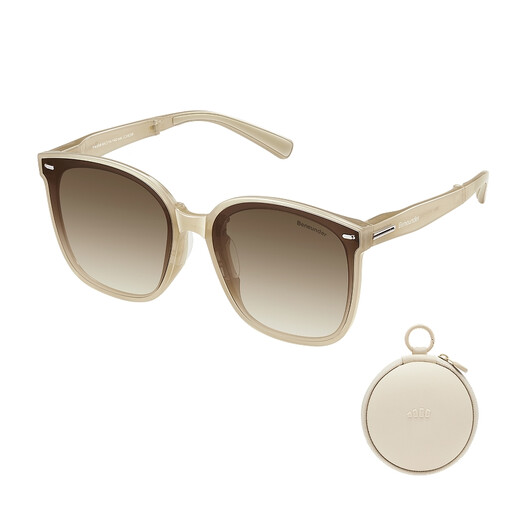
Why it suits this profile: An affordable choice for everyday wear, short drives and travel, when you want to keep a compact pair of sunglasses in your bag.
The product information lists UV400, an anti-reflective coating and a folding design. This makes the key details clearer than on a product page that only describes the style.
TR90 frame, weighing around 26 grams, with a stated folded thickness of 35 mm. Available in several colour options.
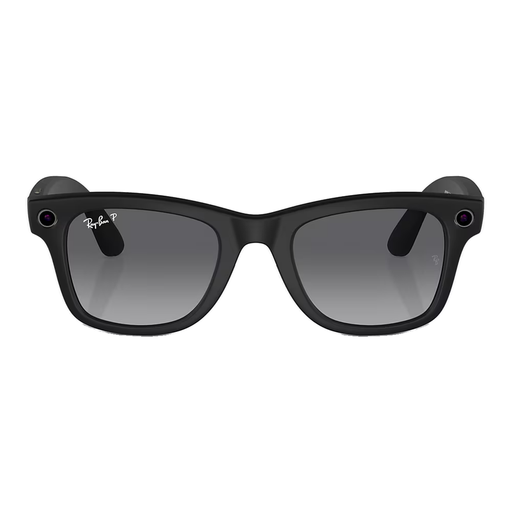
Why it suits this profile: For anyone looking for sunglasses that also offer calling, audio, photo and voice-control features.
The features and limitations are clearly set out: a Meta AI app is required, battery life is up to four hours according to the product information, and the glasses work with iOS and Android.
12 MP camera, open-ear speakers, Bluetooth 5.2 and a charging case. Check first that the smart features suit the way you’ll use them.
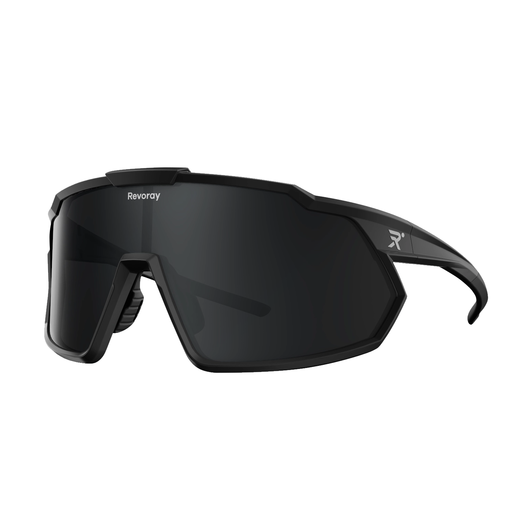
Why it suits this profile: Designed for cyclists and outdoor enthusiasts who value stability, polarisation and a sporty fit.
The description lists adjustable silicone nose pads, non-slip details and an ANSI Z87.1 performance rating. According to the product information, the glasses are impact-resistant, but they aren’t intended for high-impact work.
TAC polarised lenses, stated UV400 protection, TR90 frame and a weight of around 33 grams. The manufacturer also lists a water- and oil-repellent coating.
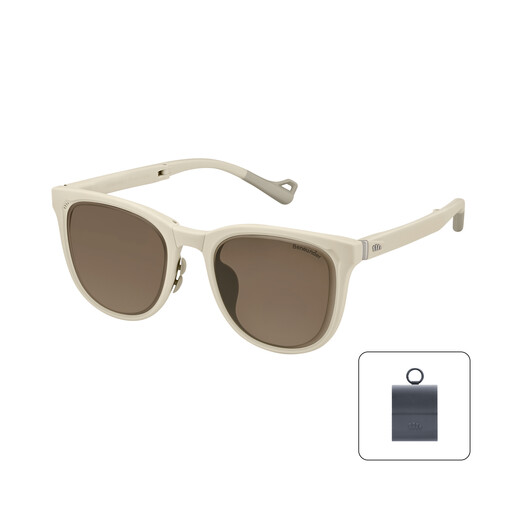
Why it suits this profile: A classic shape for everyday wear, with a folding design and adjustable parts for anyone who’s often on the go.
The product information lists UV400, anti-reflective properties, an oleophobic layer to resist fingerprints and scratch resistance. The adjustable arms and bridge help you fine-tune the fit.
TR90 frame, nylon lenses, three arm positions and a folded thickness of around 1.15 inch according to the specifications.
We’ve put together a full, up-to-date list of products that meet these strict selection criteria and the applicable European safety regulations.
They can be, particularly when dealing with reflections from wet roads or other surfaces. However, check that the lenses aren’t too dark and that you can still read displays clearly. Polarised lenses also don’t automatically provide UV400 protection, so look for both features separately in the specifications.
Their lifespan depends on the hinges, coatings, how they’re used and how they’re stored. Keep them in a hard case, fold them according to the instructions and clean the lenses with a soft microfibre cloth. Replace your sunglasses if the lenses are deeply scratched or the frames no longer fit securely.
They are for many travellers. Folding sunglasses take up less room in a bag or coat pocket. However, take care of the hinges and use a protective case. A compact design is especially useful if you’ll be putting the glasses away and taking them out again frequently.
