
Vandaag of morgen in huis

Kwaliteit gegarandeerd

Welkomstaanbiedingen ontgrendelen: GRATIS bezorging | Tot 80% korting | Gratis 30 dagen JoyPlus-proefperiode
Download de app
Sugar seems like a simple product—until your recipe fails. The wrong kind can turn a light, fluffy cake into a gritty disappointment or give an Asian stew the wrong type of sweetness. Many people grab the standard package without a second thought, but an informed choice can make all the difference. Let's look at the most common pitfalls when buying sugar so you know what to watch out for.
A frequent mistake is assuming all sugar is the same. Using regular granulated sugar for fine pastries is a classic example. The coarse granules don't dissolve completely in the batter, resulting in a crunchy texture. Another pitfall is the confusion surrounding specialty sugars. You might buy expensive rock sugar for a cake when what you really needed was the moist texture of Dutch brown sugar (basterdsuiker). By understanding the differences, you can avoid unnecessary expenses and elevate your dishes.
Before you put a bag of sugar in your shopping cart, there are a few key specifications that should guide your choice. By paying attention to these, you'll always buy the right sugar for your purpose.
The size of the sugar granule directly affects how quickly it dissolves and the texture it imparts to your dish.
Not all sugar is simply refined beet sugar. The variety in types offers unique flavours and properties for specific dishes.
The choice of packaging depends on your consumption. A 1kg sugar package is often the standard for households that use sugar regularly. For specialty sugars that you use less frequently, such as rock or basterdsuiker, smaller packages of 400g to 600g are often more practical to prevent the product from sitting in the cupboard for too long. Buying sugar online makes it easy to compare different sizes and types.
To help you with your choice, we've matched a few products to specific user profiles.
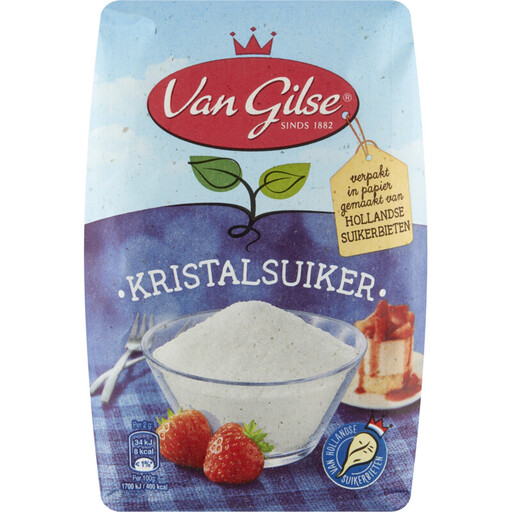
Why This Fits Their Persona: This is the reliable, all-purpose sugar for the pantry. Perfect for sweetening drinks and for simple, everyday recipes that don't require a specialty sugar.
You aren't paying for a specialty you don't need. This is the straightforward, standard choice for daily use, without the risk of the wrong texture in simple applications.
According to the manufacturer, this is 100% natural sugar from Dutch sugar beets. The 1kg package is a practical and economical choice.
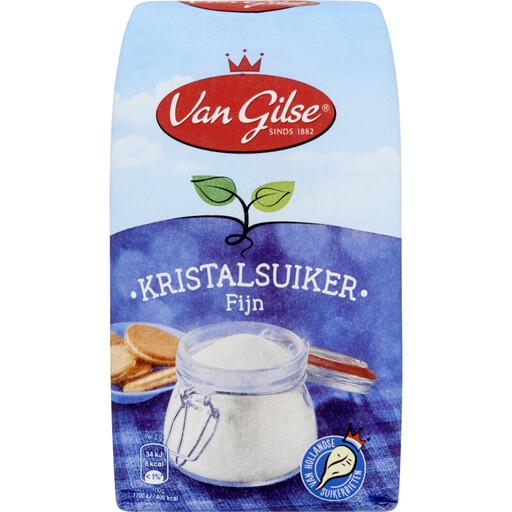
Why This Fits Their Persona: The fine granule is essential for the serious home baker. It dissolves quickly and completely, which is crucial for a smooth batter and a light, professional texture in cakes, cookies, and meringues.
This product prevents the classic baking mistake: a gritty texture. Thanks to its fine structure, you don't have to worry about undissolved sugar crystals in your final result.
Specially selected fine granule for superior baking results. According to Van Gilse's product information, it is 100% natural.
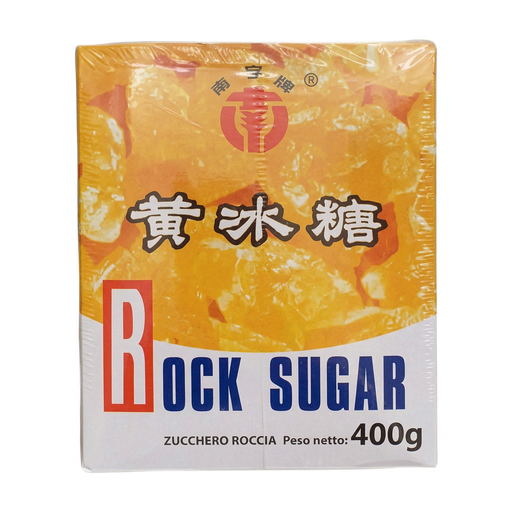
Why This Fits Their Persona: This yellow rock sugar is indispensable for anyone wanting to create authentic Asian dishes. Its mild, complex sweetness is perfect for stews, soups, and slowly sweetening tea.
This is a specialty product that should not be confused with regular sugar. It prevents the disappointment of a dish that lacks the proper depth or sheen that only rock sugar can provide.
Large, amber-coloured crystals with a subtle caramel flavour. Dissolves slowly, which is ideal for building layers of flavour and creating a beautiful glaze on dishes.
We have a complete overview of sugar types that meet practical criteria for any kitchen. Find the right sugar for your next recipe here.
What is the difference between granulated sugar and basterdsuiker (Dutch brown sugar)? Granulated sugar consists of pure, dry sugar crystals (sucrose). Basterdsuiker is a mix of fine granulated sugar and an invert sugar syrup. This syrup makes the sugar slightly moist, gives it a light caramel flavour, and helps baked goods retain moisture better, keeping them soft and tender for longer.
Can I use regular granulated sugar for any recipe? For many applications, such as in drinks, sauces, or jams, regular granulated sugar is perfectly fine. However, for fine baked goods like cakes, macarons, or meringues, it is recommended to use fine granulated sugar or basterdsuiker. These types dissolve faster, resulting in a smoother batter and a finer, more even texture in the final product.
What is the best way to store sugar to prevent clumping? The key to preventing clumps is to keep sugar dry. Store it in an airtight container or canister in a cool, dark place, away from moist areas like the sink or stove. For basterdsuiker, which is naturally moist and can harden, it can help to keep a special terracotta stone ('brown sugar saver') or even a slice of bread in the container to maintain the correct humidity.
