
Vandaag of morgen in huis

Kwaliteit gegarandeerd

Welkomstaanbiedingen ontgrendelen: GRATIS bezorging | Tot 80% korting | Gratis 30 dagen JoyPlus-proefperiode
Download de app
Buying a steam iron seems straightforward, until you have to choose between a traditional iron, a steam generator or a compact garment steamer. Manufacturers often focus on high wattage and powerful steam shots. But those figures don’t tell the whole story. Water capacity, soleplate, maintenance and safety also determine whether an appliance is pleasant to use over time.
The most common buying mistakes come down to three pitfalls:
Continuous steam output is usually measured in grams per minute, for example 40, 50 or 120 g/min. This figure tells you how much steam the appliance can produce during normal use. A steam shot is a short extra burst of steam, designed for thick fabrics, seams and stubborn creases.
For a traditional iron, continuous steam output of around 40 to 60 g/min is practical for shirts, trousers and bed linen. If you often iron thick fabrics, look for a steam iron with a powerful steam shot. A steam generator uses a separate boiler and typically produces more continuous steam, but it also takes up more space.
Check the units: product pages may describe steam output and steam shots differently. Compare like-for-like specifications and always check the technical product information.
A tank of around 250 to 350 ml is suitable for regular ironing sessions at home. A steam iron with a large water tank or a steam generator with 1 to 2 litres of water is better suited to larger households and longer ironing sessions.
A larger tank does, however, make the iron heavier to hold. With a steam generator, the water tank sits on the base, so the iron itself can be lighter. Also check whether the tank is removable and whether it can be filled under the tap.
A steam iron with a ceramic soleplate can glide smoothly over fabric and is usually easy to keep clean. Other materials, such as SteamGlide or Durilium soleplates, have their own designs and maintenance instructions. The shape of the tip also matters: a narrow precision tip is useful for collars, buttons and seams.
Limescale management varies by model. Look for features such as a self-cleaning function, a Calc-Clean system or a filter. Check whether tap water is suitable and follow the instruction manual. A steam iron with automatic shut-off switches off after a period of inactivity, but you should still unplug and store the appliance safely.
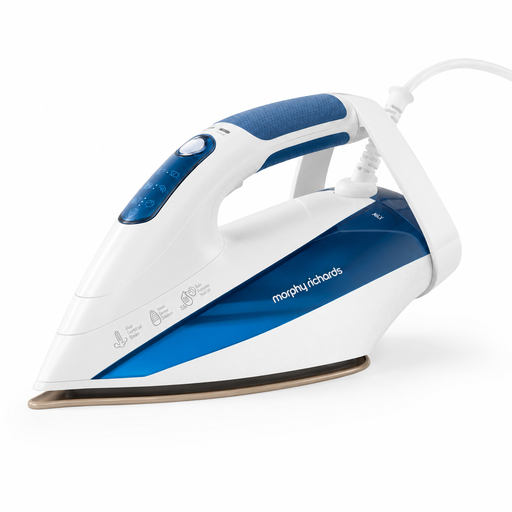
Why it suits this profile: This model combines a compact design with a 350 ml water tank and variable steam settings. According to the product information, its steam output is 50 g/min.
You’re not relying on a one-off steam shot: the variable steam control lets you adjust the output during normal ironing. The large filling opening helps reduce spills.
Ceramic soleplate, self-cleaning function, anti-drip system and vertical steaming, according to the product description.

Why it suits this profile: With 3200 W of power, variable steam output of up to 60 g/min and a steam shot of up to 250 g, this iron is designed for more intensive household use.
The product information lists both continuous steam and a separate steam shot. The Micro-Calc filter is designed to reduce limescale residue in the steam; follow the manufacturer’s maintenance schedule.
3200 W of power, automatic shut-off, anti-drip system and a Durilium AirGlide Autoclean soleplate, according to the product specifications.
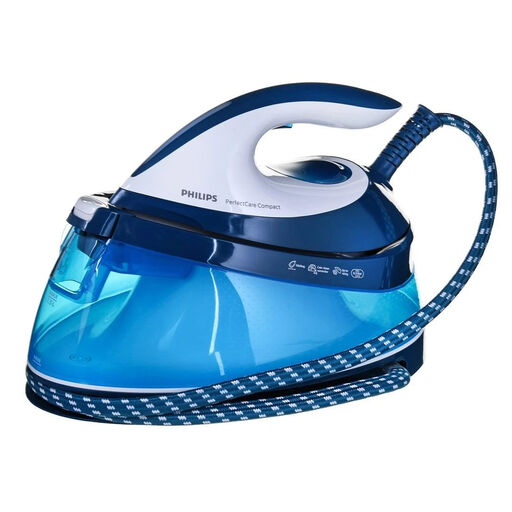
Why it suits this profile: According to the product information, this steam generator has a 1.5-litre tank, continuous steam output of 120 g/min and a 400 g steam shot. It’s suited to long ironing sessions and large loads of laundry.
The large tank means you’ll usually need to refill less often. According to the description, the Smart Calc-Clean system tells you when descaling is needed, but regular maintenance is still essential.
Vertical steaming, automatic shut-off, a heat-up time of around 2 minutes and a carry lock.
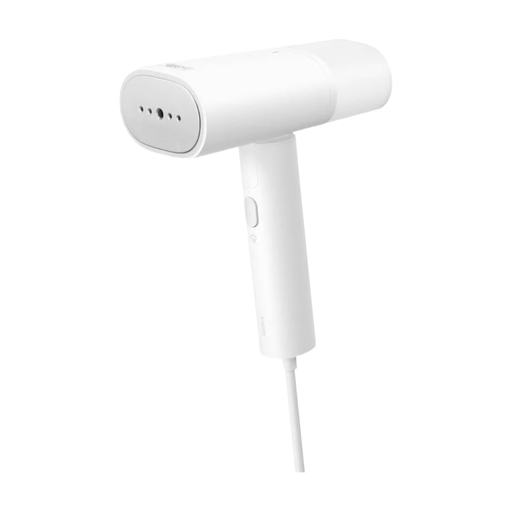
Why it suits this profile: According to the product information, this handheld garment steamer weighs 0.80 kg, has a 160 ml tank and is ready to use in around 25 to 30 seconds.
You don’t need a large ironing station for just a few garments. The small tank is transparent, and the appliance is designed for steaming clothes vertically on a hanger.
1300 W of power, steam output of 22 g/min and a compact design for home or travel.
We’ve put together a complete, up-to-date list of products that meet these strict selection criteria and the applicable European safety regulations.
It depends on how long you use it, its power, the steam setting and the programme you choose. A steam generator often has a larger tank and can handle longer sessions, but it doesn’t automatically use less energy. Use an eco mode if available, and switch the appliance off after use.
Its lifespan depends on how often you use it, the water quality, descaling and storage. Empty the tank after use if the instruction manual recommends it, remove limescale as directed and avoid scratching the soleplate. Automatic shut-off improves safety, but doesn’t prevent wear and tear.
A garment steamer is best suited to light creases, hanging clothes, curtains and quick freshening-up. For sharp creases in cotton, linen or thick fabrics, an iron for stubborn creases is usually more practical. For delicate fabrics, always check the care label first and test on an inconspicuous area.
