
Vandaag of morgen in huis

Kwaliteit gegarandeerd

Welkomstaanbiedingen ontgrendelen: GRATIS bezorging | Tot 80% korting | Gratis 30 dagen JoyPlus-proefperiode
Download de app
When you buy a spray online, you’ll quickly come across dozens of products making similar promises. However, a deodorant spray, sun protection spray, aftersun spray and wound care spray each serve a very different purpose. Choosing the wrong one can lead to skin irritation, inadequate protection, or a product that simply isn’t practical to use.
As a Joybuy Product Recommendation Officer, I focus on verifiable information: application, volume, ingredients, instructions for use and warnings. This way, you won’t be swayed by a flashy marketing claim.
A fine mist feels quick and even, but with sun protection it can be difficult to see how much product you’ve applied. Spray generously and rub in sun cream where needed. Also remember to reapply after swimming, drying off or sweating. A label saying “water-resistant spray” does not mean you don’t need to reapply.
Always check the ingredients list. A product labelled as a spray for sensitive skin can still contain alcohol, fragrance, essential oils or preservatives. For sensitive skin, a short, clear ingredients list is often more practical than a long one packed with active ingredients. Test a new product on a small area of skin first and stop if irritation occurs.
A deodorant spray is not a wound product. An aftersun spray does not replace sun cream, and a sleep spray is not a regular cosmetic product. For medical devices, pay attention to the full instructions for use, the age restriction and the product type stated. For a deep wound, severe eye irritation or persistent symptoms, seek professional medical help.
Start by asking what you need the spray for:
A product that is suitable for the body is not automatically suitable for the face, eyes or damaged skin.
For sun protection, the SPF value determines the stated level of protection against UVB radiation. A sun protection spray SPF 50 or SPF 50+ is a logical choice for fair or sensitive skin, prolonged exposure and holidays. SPF 15 may seem appropriate for shorter exposure according to the product description, but the amount needed and reapplication remain important.
Brands may communicate their own test results, but don’t present these as a universal guarantee. For example, NIVEA states water resistance, fast absorption and skin-friendliness for various products according to their own product information or tests. Always check the label on your packaging.
Compare not only the price but also the volume per pack. A 200 ml bottle may be better value per millilitre than a compact 20 ml or 35 ml spray, but a smaller size is more convenient for travel.
Also look out for:
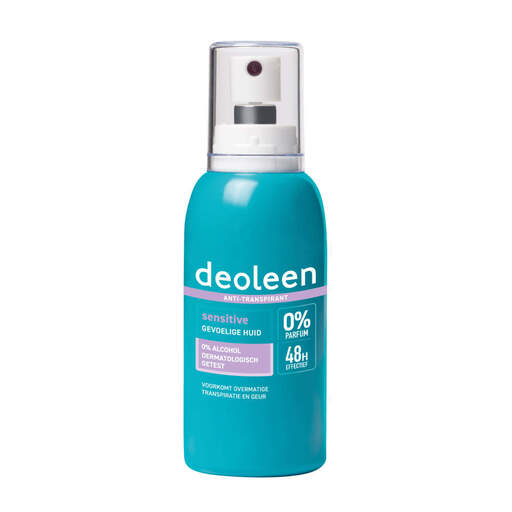
Why this fits: A compact deodorant spray for daily use, with no propellant according to the product description. Handy for home, work or a sports bag.
The volume, application and warning not to use the product on damaged skin are clearly stated. This makes comparing easier than relying solely on the term “sensitive”.
75 ml, aluminium chlorohydrate and usage advice for clean, dry underarms.
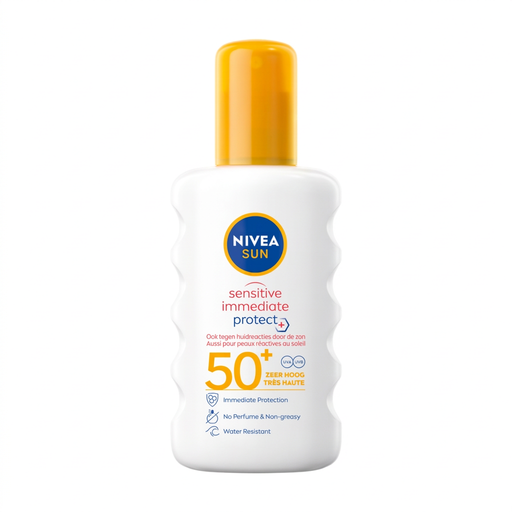
Why this fits: Aimed at consumers looking for a fragrance-free sun protection spray SPF 50+ for sensitive skin, with a 200 ml volume.
The product information explicitly states SPF 50+, a fragrance-free formula and water resistance. Do not spray directly onto the face and follow the advice for reapplication.
200 ml, SPF 50+ and according to the brand description, without octinoxate, oxybenzone and octocrylene.
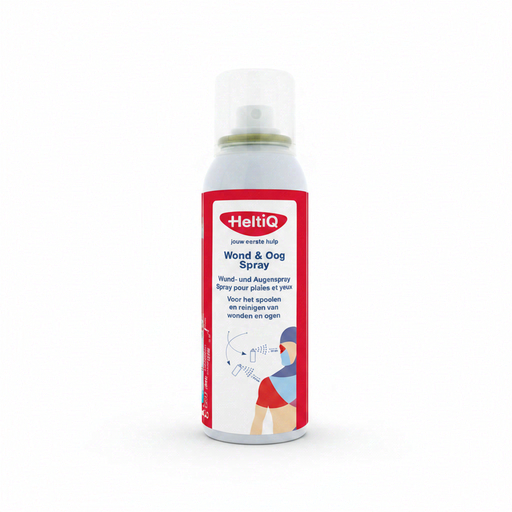
Why this fits: A compact spray for rinsing minor wounds and cleaning the eyes, suitable for home, the workplace and travel luggage.
According to the product information, this is a Class I medical device with a sterile physiological saline solution. The product is intended for superficial cleaning, not for every injury.
100 ml, fine mist and use at a distance of 10–15 cm without touching the nozzle.
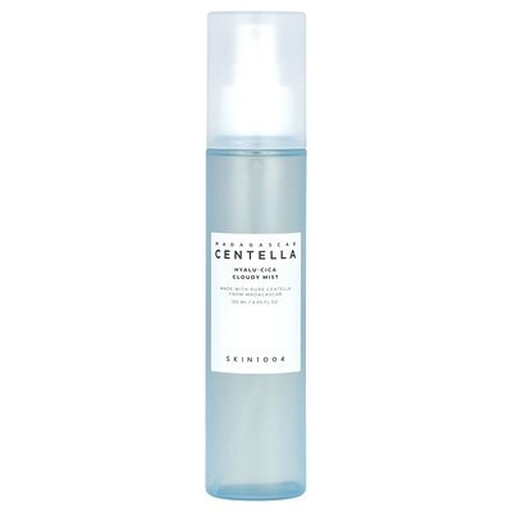
Why this fits: A hydrating face mist for normal, dry and sensitive skin according to the product description. Suitable for use after cleansing or on the go.
The application is clear: spray 20–30 cm from the face and avoid contact with the eyes. Stop if redness or irritation occurs.
According to the ingredients list, it contains centella asiatica, multiple forms of hyaluronic acid and ceramide NP.
Browse a current selection of sprays for sensitive skin and compare application, volume and product information before you order.
First, look at the application and avoid ingredients you have reacted to before. A fragrance-free sun protection spray can be a practical choice, but also check for alcohol and other ingredients. For cosmetic products, stop if irritation occurs and seek advice from a healthcare professional if symptoms persist.
Follow the expiry date and store the product according to the label. An opened PHYSIOMER nasal spray must be used within six months according to the product information. If a spray has a damaged seal, discoloured liquid or an unusual smell, it is not advisable to use it.
That depends on the volume, how much you use and how often you need to reapply. Compare the price per 100 ml and, with sun protection, make sure you use enough. A spray can be quicker to apply, but because of mist loss, you may end up using more.
