
Vandaag of morgen in huis

Kwaliteit gegarandeerd

Welkomstaanbiedingen ontgrendelen: GRATIS bezorging | Tot 80% korting | Gratis 30 dagen JoyPlus-proefperiode
Download de app
Buying sports shoes seems straightforward, until you have to choose between running shoes, trainers, walking shoes or sports shoes for everyday wear. An attractive design says little about grip, fit or durability. A well-known brand name is no guarantee that a model will suit your sport or your feet.
Anyone who buys trainers for everyday wear has different requirements from someone who runs, walks on unpaved paths or does indoor training. So consider how you will use them first, and only then think about colour and style.
A lightweight trainer may be comfortable in the city, but it may lack the cushioning or support needed for longer runs. Conversely, a trail running shoe with a deep, rugged tread may feel unnecessarily stiff on tarmac.
For football, lacrosse and basketball, the sole is at least as important as the fit. Football and lacrosse shoes often have studs for grass, while indoor shoes need a flat, non-marking rubber sole. Basketball shoes generally focus more on stability when changing direction and jumping.
A membrane such as GORE-TEX may, according to the product description, help keep rain and moisture out. This makes a shoe suitable for wet paths, but not automatically for prolonged exposure to soaking conditions or hot summer days. Also check the ventilation provided by the upper and the care instructions.
Sizes can vary between brands and models. A size 42 shoe does not always have the same internal length as another size 42 shoe. So measure your feet in centimetres, preferably at the end of the day and while wearing the socks you use for sport. Leave some room around the toes in running shoes, but make sure your heel does not slip.
Look at the tread and the recommended surface:
A deep trail tread is not automatically more comfortable on smooth tiles. Choose the sole based on where you will actually use the shoe.
Cushioning affects how a shoe feels when you walk or run, but more cushioning is not necessary for everyone. Consider the midsole material, such as EVA, ABZORB, Cloudfoam or Zoom Air. These are product technologies which, according to the relevant product description, contribute to cushioning or responsiveness; the experience may vary from person to person.
A lightweight sports shoe can be comfortable for short runs or everyday use. For long distances or intense training, a slightly sturdier model may provide more support. Also check whether the shoe has a reinforced heel, supportive construction or stability component.
Mesh and textile usually provide ventilation and lower weight. Synthetic materials may offer greater protection against wear. Leather or synthetic leather is often suited to casual trainers, but may be less breathable than mesh.
Also consider:
For women’s shoes, men’s shoes and children’s shoes, models may differ in sizing and shape. Always check the size guide for the specific product.
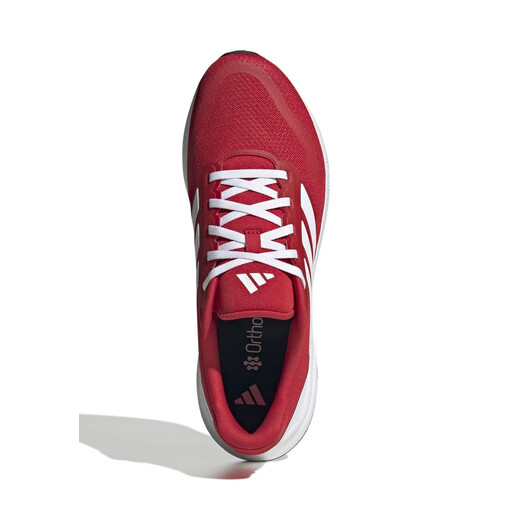
Why it suits this profile: A versatile model for beginner runners, short distances and everyday use.
The product description mentions a mesh upper, Cloudfoam midsole and Adiwear rubber outsole. This gives you a clear idea of where the ventilation, cushioning and grip come from.
Mesh upper, Ortholite insole and recommended use for road training up to 10 km.
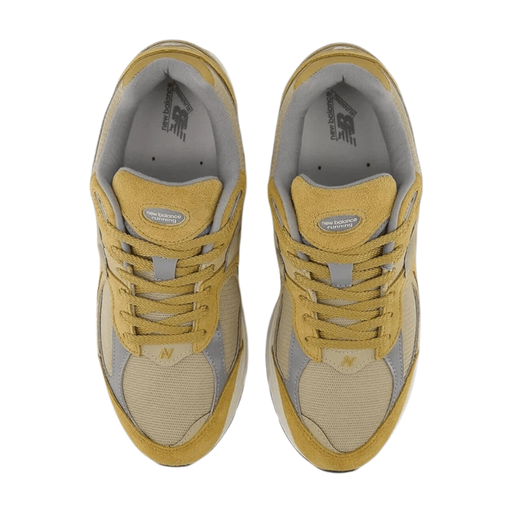
Why it suits this profile: Suitable for anyone looking for a running shoe that also works with casual outfits and everyday wear.
The features are not based on style alone: the description mentions ABZORB and N-ergy cushioning, mesh and Stabilty Web support.
Mesh with synthetic overlays, rubber outsole and a combination of two specified midsole technologies.
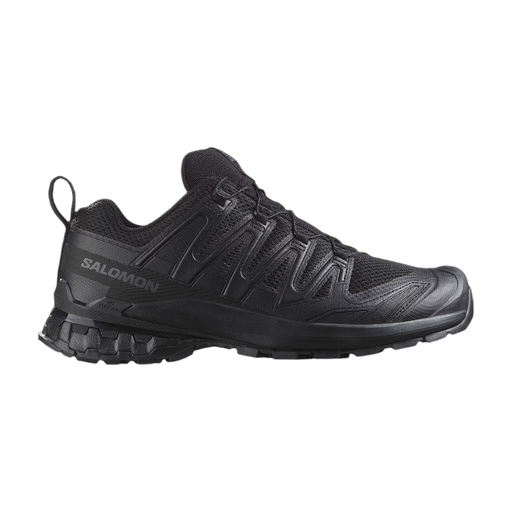
Why it suits this profile: A suitable choice for trail running and walking on technical or varied terrain.
You are not buying this model based solely on a waterproof claim: the product description also mentions a 3D Advanced Chassis, reinforced toe area and Contagrip rubber sole.
GORE-TEX membrane according to the product description, Quicklace fastening and a tread designed for varied terrain.

Why it suits this profile: Designed for indoor football and futsal, for training and matches on an indoor court.
According to the product details, the sole is non-marking and intended for indoor surfaces. This helps you avoid a tread designed for grass or mud.
Flexible synthetic-textile upper, reinforced toe area, EVA insole and rubber indoor sole.
We have put together a complete, up-to-date list of products that fully meet these strict selection criteria and the applicable European safety regulations.
Lifespan depends on use, surface, body weight, running style and care. Do not use indoor shoes outdoors, and store waterproof shoes somewhere dry, but not on a radiator. According to the product information, many models should not be put in the washing machine. Remove dirt with a soft brush or damp cloth and allow the shoes to air-dry.
Look out for wear in three areas:
Visible wear may reduce grip or affect the fit. The statutory EU guarantee for these product listings is at least two years; also check the seller’s terms and your statutory rights in the Netherlands.
Leave roughly a small thumb’s width of space in front of your longest toe. Your toes should not touch the front while you are running. Your heel should still remain secure and should not lift.
That depends on the model. A trainer designed for casual use does not always have the cushioning, ventilation or sole you need for regular runs. If you run several times a week, choose a model whose product description specifically mentions running as a recommended use.
Waterproof shoes are practical in rain, on wet grass and on muddy walking paths. For indoor sports, warm days or long runs in dry weather, a well-ventilated mesh model may feel more comfortable. Always check the care instructions and the recommended surface.
