
Vandaag of morgen in huis

Kwaliteit gegarandeerd

Welkomstaanbiedingen ontgrendelen: GRATIS bezorging | Tot 80% korting | Gratis 30 dagen JoyPlus-proefperiode
Download de app
Buying sports shoes online seems straightforward, until a few weeks later you find that they feel too narrow, offer little grip or aren’t suitable for the terrain you run on. A low price or well-known brand alone doesn’t tell you whether you’re making the right choice. Focus on how you’ll use them, their construction and materials, and the sizes available.
This guide will help you compare running shoes, trail running shoes, walking shoes and comfortable sports shoes for men and women.
A shoe designed for tarmac isn’t automatically suitable for mud, loose stones or wet woodland paths. Running shoes often have a flexible sole and a construction intended for flat surfaces. Trail running shoes usually have deeper tread for better grip on off-road terrain.
So pay attention to the stated intended use. An everyday model may be suitable for commuting and light training, but less suited to a technical walking route.
Terms such as ‘responsive’ and ‘comfort’, or a brand name for the foam, don’t tell you exactly how a shoe will fit your foot. Check these details too:
For example, according to its product description, the adidas Supernova Ease has a Dreamstrike midsole, a mesh upper and rubber studs. That gives you more practical information than the cushioning name alone.
GORE-TEX shoes are designed with a membrane that, according to the product description, provides protection from water. However, water can still enter through the collar, and a wet outer can take longer to dry. A waterproof membrane also won’t stop your feet from getting warm during strenuous exercise.
Choose waterproof shoes if you often walk in the rain, through wet grass or in mud. For dry tarmac only, a more breathable mesh upper may feel more comfortable.
Don’t compare EU sizes alone: check the stated foot length and sizing advice too. Different brands and models fit differently. When walking or trekking, leave some room around your toes so your foot doesn’t slide forwards and press against the front of the shoe on descents.
Also check whether the shoe has a regular, narrow or wide fit. When ordering online, it’s a good idea to measure your feet while wearing the socks you’ll use with the shoes.
A sole with shallow grooves is usually better suited to the city, gym and tarmac. For trail running and trekking, deeper studs and a firmer rubber compound are more practical. According to its product description, the Nike Pegasus Trail 3 has a rubber outsole with multidirectional studs. Salomon models use a Contagrip outsole.
Bear in mind that grip always depends on the surface, moisture, wear and your running technique. A tread that works well in mud may feel less comfortable on slippery tiles.
For longer walks on uneven paths, a mid-cut model can provide extra coverage around the ankle. According to their product descriptions, the Salomon X Ultra 4 Mid GTX and X Ultra 360 Mid GTX have a mid-height collar, a GORE-TEX membrane and a rubber Contagrip outsole.
A low-cut shoe is usually more flexible and lighter. A mid-cut shoe may offer more protection, but can feel warmer or stiffer. So choose according to the terrain and how long you’ll be wearing them, not just their appearance.
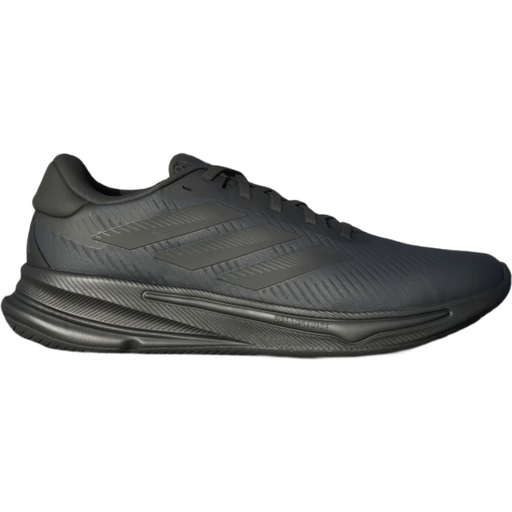
Why it suits this type of user: According to the product description, this model is designed for short to medium distances and has a regular fit. That makes it a good choice if you want to build up a running routine at a gentle pace.
The product information specifically lists a mesh upper, Dreamstrike foam and rubber studs, rather than relying on general claims about comfort.
Regular fit, breathable mesh upper and a full-length Dreamstrike midsole, according to the product description.

Why it suits this type of user: If you often switch between walking paths, hilly terrain and everyday outdoor use, this model combines GORE-TEX, stability and an adjustable Quicklace fastening, according to the product description.
Its intended use is clearly described as trail running and walking, so you’re not choosing the shoe based solely on its brand or appearance.
GORE-TEX membrane, 3D Advanced Chassis, Contagrip outsole and Quicklace system, according to the product description.
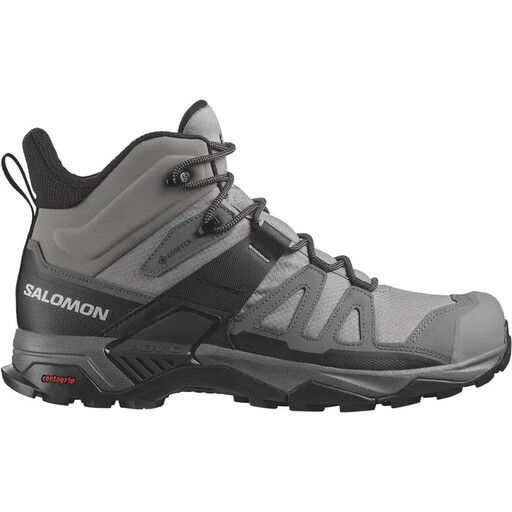
Why it suits this type of user: This mid-cut model is designed for walking and trekking on uneven ground, with a focus on ankle coverage, grip and water protection.
The product details list the membrane, mid-cut construction, midsole and outsole separately. This makes it easier to compare the shoe based on its features.
GORE-TEX, an EnergyCell EVA midsole, a mid-cut design and Contagrip MA rubber, according to the product description.
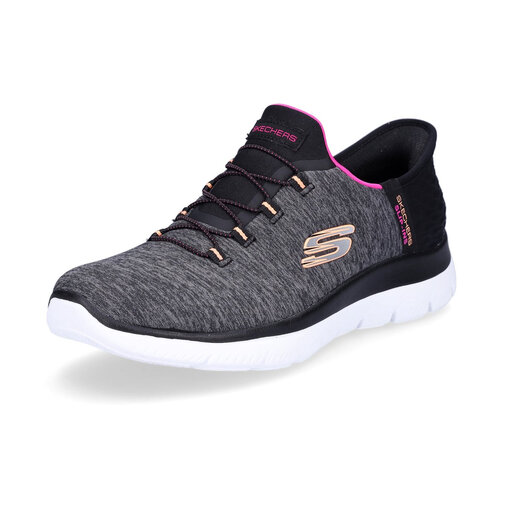
Why it suits this type of user: For everyday wear, light activity and casual outfits, a lightweight, flexible slip-on can be a practical choice.
The product description lists the fastening, textile upper, fit and washing instructions, making it easier to check whether it’s the right choice.
Air-Cooled Memory Foam insole, flexible sole and, according to the product information, machine washable.
We’ve put together a complete, up-to-date list of products that meet these strict selection criteria and the applicable European safety requirements.
Measure both feet at the end of the day and compare the longer foot with the size chart for the specific model. Also check whether the model runs true to size, small or large. EU sizes aren’t consistent across all brands.
Their lifespan depends on use, the surface, your body weight, care and storage. Regularly check the tread, the upper for tears and the midsole for wear. If you run intensively, you may need to replace your shoes sooner than if you use them lightly every day.
No. Comfort depends mainly on fit, width, cushioning and intended use. A waterproof walking shoe may feel unnecessarily warm for everyday wear in the city, while a lightweight running shoe may not offer enough protection on a rocky path. So compare the specifications first, then choose based on brand or price.
