
Same-day & Next-day Delivery

Quality Guaranteed

Unlock Your Welcome Offers: FREE Delivery | Up to 80% OFF | Free 30-day JoyPlus trial
Download the APP
Buying sports shoes seems simple, until you have to choose between running shoes, trail running shoes, walking shoes, hiking shoes and trainers. An attractive design says little about whether they’re right for your route, running style or everyday use. So the right choice starts not with the brand, but with the terrain, fit and construction.
A shoe for tarmac doesn’t need to offer the same grip as a trail model. Running shoes are generally designed for even surfaces, while trail running shoes often have a more pronounced tread and extra protection. If you wear smooth-soled running shoes on muddy paths, you may find the grip disappointing. On the other hand, a deep tread can feel heavier or less flexible on the road.
Cushioned sports shoes can feel comfortable, but more cushioning doesn’t automatically mean the shoe is right for every foot or activity. Also consider stability, heel support and room around your toes. A shoe that feels comfortable during a quick try-on may turn out to be too narrow after a while.
Terms such as “lightweight”, “breathable” and “waterproof” are only useful if the product description specifies the materials or construction used. So check the upper, midsole and outsole. A mesh upper can help with ventilation, while a membrane may offer greater protection from the rain. These features can partly work against each other.
First, check the size chart and the stated fit. A regular fit isn’t the same as a wide last. If possible, measure your foot at the end of the day and compare its length with the chart for the specific model. For running and walking, make sure there’s enough room around your toes, especially if you wear thicker socks.
The same basic checks apply to men’s and women’s sports shoes, but the design and sizing can vary between models. So don’t rely only on the “men’s” or “women’s” label; also check the stated width and the upper material.
The midsole plays a big part in how a shoe feels. Product information may mention EVA, React foam, Dreamstrike foam or ABZORB. These are different constructions and brand names, so don’t compare them as if they work in exactly the same way. Focus on the intended use:
Claims about shock absorption or support come from the brand’s product description. Treat them as product specifications and consider whether they suit your needs, without attaching medical expectations to them.
When looking for sports shoes with good grip, the tread matters more than the collection name. A rubber outsole with lugs or multidirectional grooves can provide more traction on uneven ground. For tarmac and indoor use, a flatter tread is often more practical.
If you regularly walk in wet woodland, on sand or along rocky paths, look for a pronounced tread, a reinforced toe and outsole rubber specified for different surfaces. A waterproof design, such as a model with a GORE-TEX membrane, may offer protection from the rain according to the product information. Also check that the shoe still allows good ventilation and that its care requirements suit your routine.
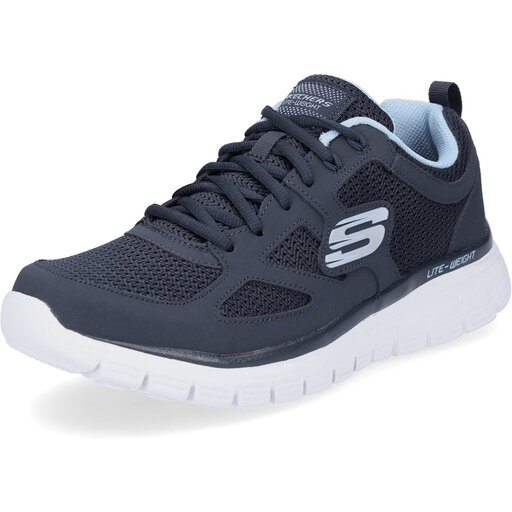
Why it suits this profile: This training model is designed for everyday wear, light exercise and casual outfits. Its synthetic leather and mesh construction makes it a practical choice if you’re looking for one pair to wear for different occasions.
The product information specifies a memory foam insole, lace-up fastening and regular fit. This makes it easier to assess comfort and sizing than judging by appearance alone.
Mesh upper, rubber sole and lace-up fastening; the size information indicates a regular fit.
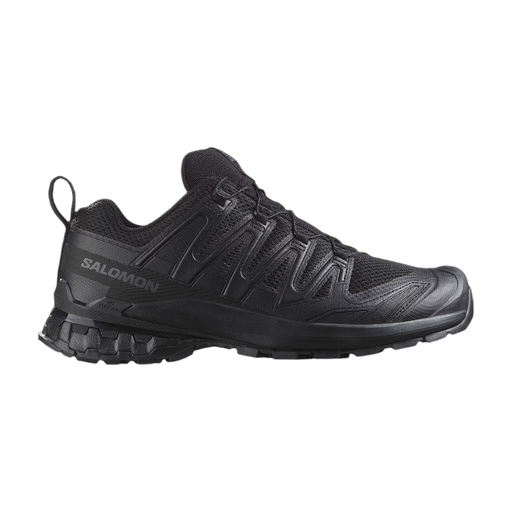
Why it suits this profile: For walkers and outdoor enthusiasts who often tackle wet or technical trails, this model offers features designed specifically for those conditions.
The description mentions a GORE-TEX membrane, reinforced toe and heel, and a Contagrip rubber outsole. This makes it easy to check the features individually.
Waterproof membrane according to the product information, 3D Advanced Chassis, Quicklace system and a treaded sole for trail running and walking.
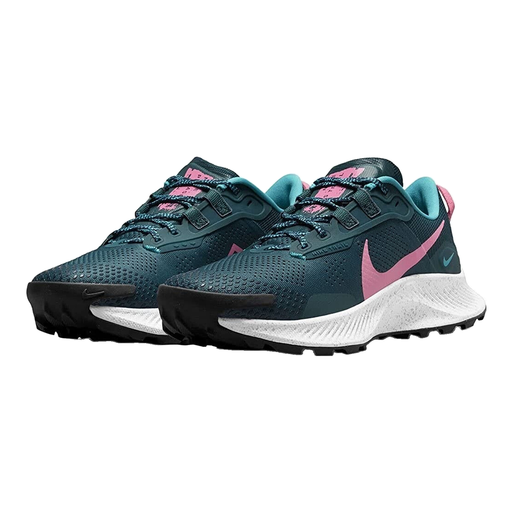
Why it suits this profile: This model is designed for people who combine city streets with off-road terrain and don’t want to buy a separate shoe for every surface.
The description specifies mesh, synthetic reinforcements, React foam and multidirectional lugs. This makes it clearer what the shoe is designed for than with a general-purpose trainer.
React foam according to the product information, breathable mesh, reinforced toe and heel, and a rubber outsole with multidirectional tread.
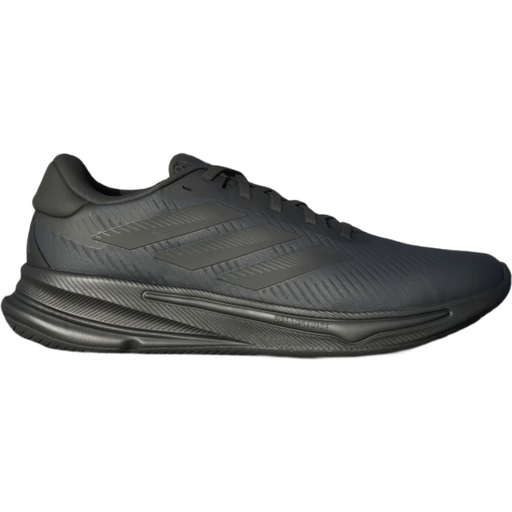
Why it suits this profile: According to the product information, these adidas running shoes are designed for short to medium distances and for building a running routine.
This model isn’t presented as an all-purpose outdoor or trail shoe. Its stated purpose helps you limit it to suitable running conditions.
Breathable mesh, Dreamstrike midsole, regular fit, lace-up fastening and rubber lugs according to the product details.
We’ve put together a complete, up-to-date list of products that meet these strict selection criteria and comply with the applicable European safety regulations.
How long sports shoes last depends on how you use them, the terrain, your body weight, how often you wear them and how well you care for them. After a wet walk, leave your shoes to dry at room temperature and avoid direct heat. Remove dirt with a soft brush or damp cloth, unless the manufacturer gives different instructions. Check regularly for visibly worn tread, a misshapen heel structure or a midsole that feels permanently flat.
Don’t automatically use the same pair for running, walking and everyday work if the demands are very different. Alternating between two pairs gives the materials time to dry and makes wear easier to spot.
For everyday walking, trainers or lightweight walking shoes with a regular fit, rubber outsole and good heel support are often practical. Choose a trail model only if you also regularly walk on off-road terrain.
There’s no set timeframe that applies to everyone. Check for worn tread, tears in the upper and changes to the original fit or cushioning. You could keep track of how many kilometres you run, but use the visible condition and comfort as your main guide.
Not necessarily. A lighter shoe can feel good when you’re on the move, but comfort also depends on fit, sole construction, ventilation and stability. Compare the overall design rather than looking at weight alone.
