
Vandaag of morgen in huis

Kwaliteit gegarandeerd

Welkomstaanbiedingen ontgrendelen: GRATIS bezorging | Tot 80% korting | Gratis 30 dagen JoyPlus-proefperiode
Download de app
When buying sports balls, people often look first at colour, price and a striking product claim. However, it is mainly the size, material and playing environment that determine whether a ball continues to perform well. A ball for junior training has different requirements from a volleyball for a club, an exercise ball for home use or a set of table tennis balls for a school.
Pay attention to marketing terms too. A description such as “professional” means little on its own without technical information about size, construction and intended use. Below are the key points to check, along with a selection of products for different types of user.
According to the product information for the model mentioned, a size 4 football is intended for junior players aged around 8 to 12. Size 5 is the usual size for adults and older juniors. For young children, a size 3 may be easier to handle.
Size is not the only consideration with a size 5 volleyball either. The surface, grip and weight affect how easily players can pass, serve and control the ball.
A waterproof football can be useful on wet grass pitches, artificial turf or at the beach. However, check how the ball is made. According to the product description, the LONGSAIL ball has a seamless foam-rubber outer layer which, according to the manufacturer, does not absorb water. This is a more specific detail than simply calling a product “all-weather”.
For a ball that is mainly used on concrete, abrasion resistance and a suitable surface are more important than water resistance. No ball can withstand sharp surfaces, rough walls or prolonged exposure to heat indefinitely.
Training balls are often designed for repeated use and an attractive price per ball. Buying table tennis balls in bulk is practical for schools, clubs and ball machines. However, a match ball may have different features, such as a specific classification or a different playing response.
So check whether you are looking for a training volleyball, a ball for recreational use or a model for club training and matches. The description should support this with verifiable information, such as the material, size, construction and pack size.
Use these guidelines as a starting point:
The maximum load is also important for an exercise ball. The Capelli Sport models state a load capacity of up to 330 pounds, equivalent to approximately 150 kilograms. Always follow the product instructions and do not use an exercise ball on a surface with sharp objects.
The material determines the feel, care requirements and suitability for indoor or outdoor use:
Claims such as “anti-burst”, “tournament-level” or “professional performance” come from brands’ or sellers’ product information. Treat them as product specifications or positioning, not as a guarantee for every user or situation.
A ball will remain usable for longer when you use it on the intended surface. Wipe off mud and sand after use, check the air pressure regularly and store the product somewhere dry, away from direct sunlight and sharp objects. For table tennis balls, the product information recommends using a soft cloth and storing them in a cool, dry place.
Extra checks are needed with pet toys. Interactive dog toys and cat toy balls can become worn through biting, scratching or pulling. Only use a toy under supervision if parts could come loose.
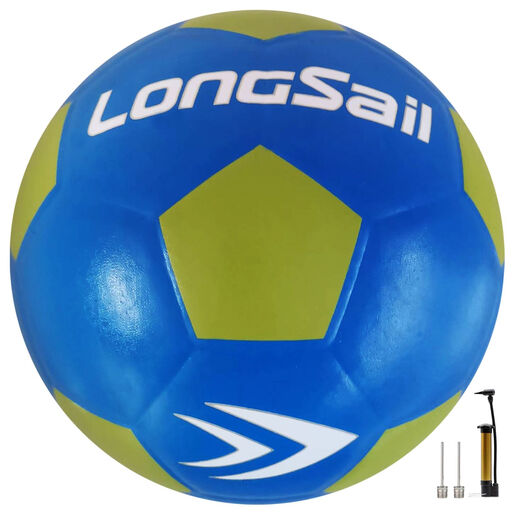
Why it suits this profile: Size 4 is suitable for many junior training sessions. The supplied pump, needle and storage bag make the set ready to use straight away.
The product information gives details of the size, material and use on different surfaces, rather than relying solely on a general performance claim.
Size 4, foam-rubber construction according to the product description and a complete accessory set.
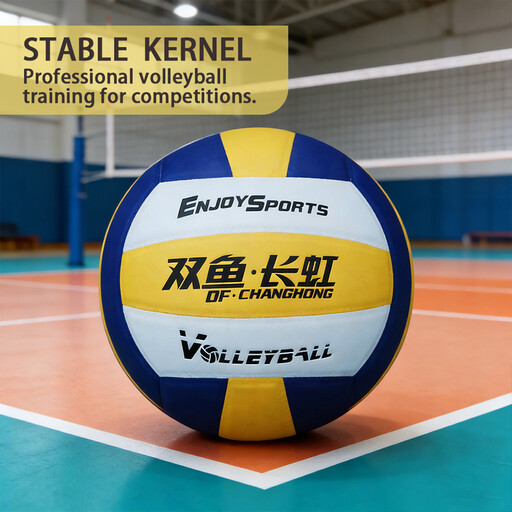
Why it suits this profile: Designed for players looking for a size 5 volleyball for club training, school, indoor use or recreational play.
The description specifies the microfibre layer, machine-stitched construction and size 5. This allows you to compare the choice based on concrete features.
Microfibre surface, soft feel on contact according to the product description, and suitable for indoor, sand and beach settings.
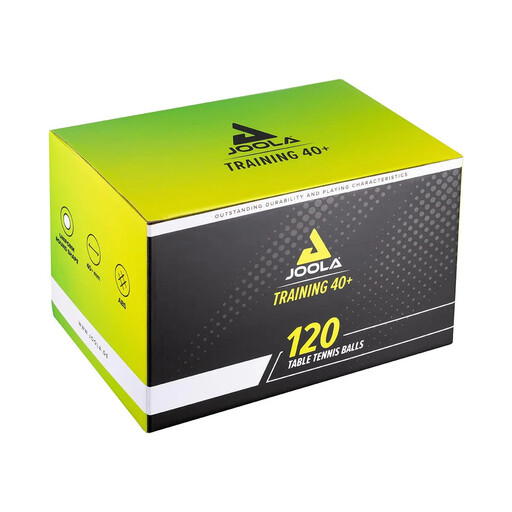
Why it suits this profile: A set of 120 balls is ideal for schools, sports clubs, coaches, ball machines and groups that need plenty of training equipment.
The pack size, ABS material and diameter of 40.0–40.6 mm are clearly stated. This makes it possible to assess the set based on quantity and intended use.
120 white 40+ balls, ABS construction and a traditional seam according to the product information.
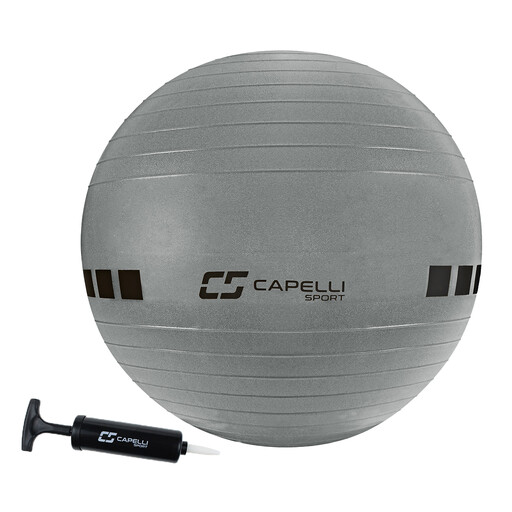
Why it suits this profile: The 65 cm diameter is suitable for fitness, yoga, Pilates, balance exercises and home use, depending on your height and the exercise.
The size, maximum load, foot pump and care instructions are specified. This means you do not have to rely solely on the term “anti-burst”.
PVC, anti-slip and anti-burst properties according to the product information, plus a supplied foot pump.
For other situations, you could also consider a rubber basketball, the Double Fish VC500P or VH511P as professional training volleyballs, and the Double Fish B40+ sets when 100 table tennis balls in bulk are required. There are separate options for pets, such as a treat-dispensing ball with adjustable treat portions or the Blinkit set with six latex balls. Always supervise dogs when they are playing with toys and replace them as soon as the material or any parts begin to come loose. For cats, the Meowmagic set with feathers and sisal may be suitable for rolling, chasing and short play sessions.
We have put together a complete, up-to-date list of products that fully meet these strict selection criteria and the applicable European safety regulations.
Start by checking the product’s age and size recommendation. For football, size 4 is often suitable for junior players, while young children usually have better control with size 3. For an exercise ball, focus mainly on your height and check that the sitting position is suitable for the exercise.
Its lifespan depends on the surface, frequency of use, air pressure and storage. A ball that is frequently used on concrete will generally wear out more quickly than one used on grass or a sports floor. Inspect the seams, valve and surface regularly. A crack, deformation or leaking valve is a reason to replace the ball.
In addition to the purchase price, you may need to factor in a pump, replacement balls and replacements. For example, a complete football set avoids having to buy a pump separately. For clubs and schools, a pack of 100 or 120 table tennis balls may work out cheaper per ball, but only if the entire stock will actually be used.
