
Vandaag of morgen in huis

Kwaliteit gegarandeerd

Welkomstaanbiedingen ontgrendelen: GRATIS bezorging | Tot 80% korting | Gratis 30 dagen JoyPlus-proefperiode
Download de app
Spiced peanuts are a popular choice for drinks, alongside a glass of beer, or as a snack on the go. Yet many bags look very similar. One might contain mostly peanuts with a thin layer of salt, while another has a firm, crunchy coating and a distinct flavour. The size also varies widely: from small portions for travelling to 500g bags perfect for sharing.
If you only rely on the packaging or words like “extra crunchy”, you could end up making a less suitable choice. With the following checks, you can compare Chinese peanuts, Japanese peanuts, Thai peanuts and other Asian snacks more practically.
“Spicy”, “garlic” or “Sichuan” can be interpreted in many different ways. Some spicy peanuts contain chilli, pepper and flavour enhancers. Others combine sweet, salty and spices in a crunchy batter. So always look at the ingredients list and not just the front of the bag.
With garlic peanuts, for example, the difference is visible in the ingredients. Lao Jie Kou lists garlic powder, natural garlic flavouring and spices. That gives you more information than just the name “Garlic Flavor”.
A 500g bag can be handy for a party, but it’s less suitable if you only eat a small portion now and then. Once opened, roasted peanuts can lose their crunch due to moisture. So check the net weight, the seal and the storage instructions.
A smaller pack of 110g to 220g often fits better in a bag or on a sharing platter. For an office, family visit or party, a larger bag is more practical.
Peanuts are a major allergen. In addition, coating products may contain wheat, soya or sesame. So always read the allergen information, especially with Chinese peanuts that have a batter layer. Also pay attention to the salt content when comparing salted peanuts. The product information for Yasijia, for example, states 2.0g of salt per 100g, while the Lao Jie Kou garlic peanuts list 580mg of sodium per 100g. Sodium and salt are not exactly the same; it’s best to compare the values as they appear on the label.
Check the peanut content when it’s stated. For example, WANT WANT Tiaodou consists of 70% peanuts according to the product information, with a coating that includes glutinous rice flour and wheat flour. Xue Da Kui states a peanut content of at least 88%. These are very different eating experiences: the first is more of a crunchy snack with a coating, while the second puts more emphasis on the nut itself.
Also look out for words like roasted, dry-roasted or “coated”. Roasted peanuts without a thick layer generally have a more direct nutty flavour. With crunchy peanuts in batter, you taste flour, starch, sugar and spices alongside the peanut.
The term “spicy” doesn’t indicate a standardised level of chilli heat. If you’re not used to much heat, it’s better to start with a salt or garlic variety. Fans of more intense flavours can look for chilli, Sichuan pepper or a Thai spice blend.
A well-sealable pack helps keep the texture fresh for longer after opening. Store the snack according to the label in a cool, dry place, away from sunlight and moisture. It’s best to eat the peanuts soon after opening. Also check the best-before date on the pack; this can vary per delivery.
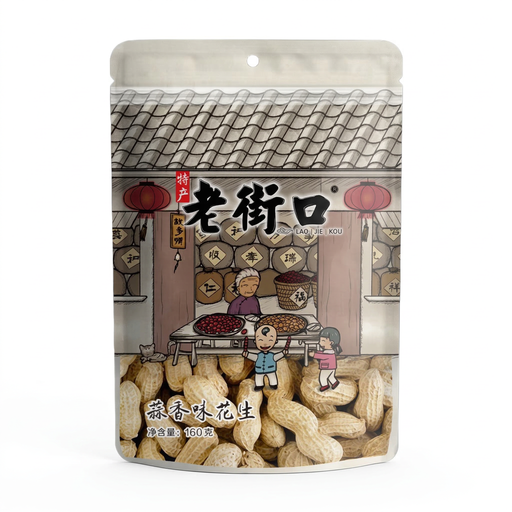
Why this fits the profile: A manageable portion with a recognisable savoury garlic flavour, ideal for getting to know spiced peanuts.
The product information clearly lists peanuts, wheat, garlic powder and salt. The 160g pack reduces the chance of long-term storage after opening.
160g, roasted peanuts and an explicitly stated garlic profile; suitable for drinks or beer.
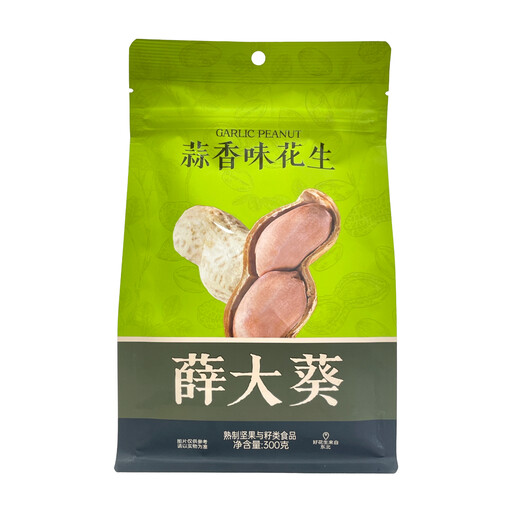
Why this fits the profile: The product information states at least 88% peanuts and a 300g pack for multiple snacking occasions.
The high stated peanut content makes it clear the snack isn’t mostly coating. The garlic flavour is listed separately in the ingredients.
300g, at least 88% peanuts and 0.5g of salt per 100g according to the product information.
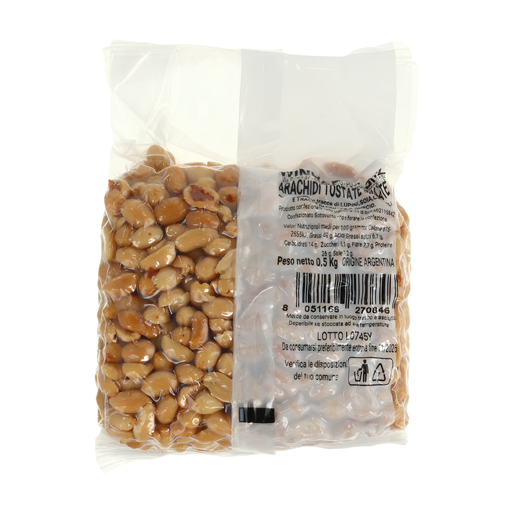
Why this fits the profile: The large bag is practical for parties, an office stash or a generous sharing platter.
The ingredients are simple: peanuts and salt. This makes the flavour profile clearer upfront than with a complex spice blend.
500g, dry-roasted preparation method and usable as a snack or topping.
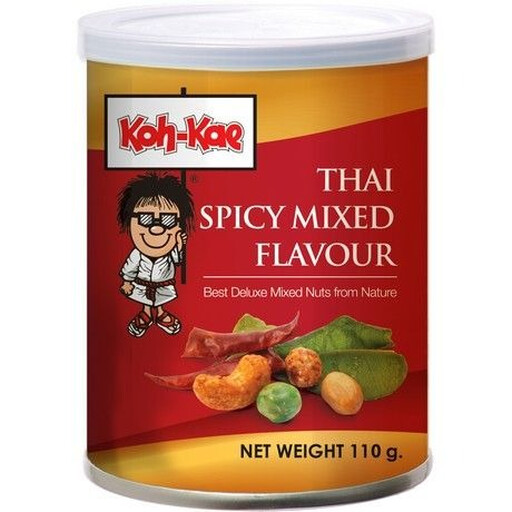
Why this fits the profile: The Thai spice blend lists chilli, garlic, onion and spices for those looking for more than just salt.
The flavour direction is specifically described as spicy and sour-savoury. Peanut, wheat and soya are also clearly listed as allergens.
110g, crunchy coating and a specified Thai Mix spice list.
We’ve put together a full, up-to-date list of products that fully meet these strict selection criteria and comply with current European safety regulations.
Yes, many varieties are ready to eat and are mentioned in the product information as a snack for drinks, parties or gatherings. Choose a small pack for a small group and a 300g to 500g bag when several people are joining in.
Keep them cool and dry, and seal the pack well. Moisture makes the coating and roasted peanuts less crunchy. Before use, also check that the pack is undamaged and follow the instructions on the label.
Start with salted peanuts or a garlic variety without a clear chilli indication. Katjang pedis, Sichuan peanuts and Thai mixes often contain chilli or pepper and therefore have a more pronounced profile. Always check the ingredients, as the heat level isn’t standardised.
