
Vandaag of morgen in huis

Kwaliteit gegarandeerd

Welkomstaanbiedingen ontgrendelen: GRATIS bezorging | Tot 80% korting | Gratis 30 dagen JoyPlus-proefperiode
Download de app
Buying speciality beer may seem straightforward, but an attractive label does not always tell you what you will get in the glass. If you focus only on the brand name, packaging or discount, you could end up with a beer that is too strong for the meal you have planned, a multipack that does not get finished, or an alcohol-free option that does not live up to expectations.
This practical guide focuses on information you can check: beer style, alcohol content, volume, ingredients and pack size. That way, you can compare Belgian speciality beer, Dutch tripels, blonde beer and alcohol-free options without treating marketing claims as guaranteed results.
A blonde beer can taste fresh and light, but it may also contain 6,7% or 8,5% alcohol. A tripel is generally fuller-bodied and stronger, but sweetness, bitterness and fruity notes vary by brand. Abbey beer is not a guarantee of one particular flavour profile either.
As well as the style, check the description, alcohol content and any recommended serving temperature. For example, a strong blonde beer will not automatically suit every meal.
Buying a beer multipack can be useful for a birthday, tasting session or stock cupboard. However, the price per bottle is more important than the total price. Compare:
A box of speciality beer bottles is particularly practical when you are serving several people or planning for different occasions. For a first taste, a smaller pack may be the wiser choice.
Product titles can look very similar. Leffe Blond 0.0, for example, is offered as an alcohol-free version, while regular Leffe Blond contains 6,6% alcohol. Always check the stated alcohol content, rather than relying only on the word “blonde” or “Leffe”.
Also check the ingredients and allergens. Alcohol-free does not automatically mean gluten-free: the product information for several variants lists barley or malted barley. If you have an allergy or intolerance, the label on the packaging delivered to you takes precedence.
Alcohol content helps you compare products more fairly:
According to Hertog Jan’s own information, the Tripel undergoes a second fermentation in the bottle. This is a product feature from the brand description, not a guarantee that you will personally enjoy the flavour.
A 300 ml bottle is suitable when you want to try one beer at your leisure. A pack of 4 or 6 bottles makes more sense for guests, a meal shared with several people or a gift. A box of 12 x 330 ml, such as Lowlander 0.0% White Beer, is mainly intended for keeping in stock.
Compare packs based on total volume, rather than just the number of items. Four 500 ml bottles contain considerably more beer than six 300 ml bottles. In the Netherlands, also check whether a deposit or other packaging information applies.
Many speciality beers contain barley and cereals containing gluten. Tripel Karmeliet also lists wheat and oats. If in doubt, check both the product page and the label on delivery, as recipes or packaging information may change.
Store beer according to the product instructions: in a cool place, out of direct sunlight and without significant temperature fluctuations. Best-before information is shown on the packaging. If the seal is damaged before opening, do not use the product.
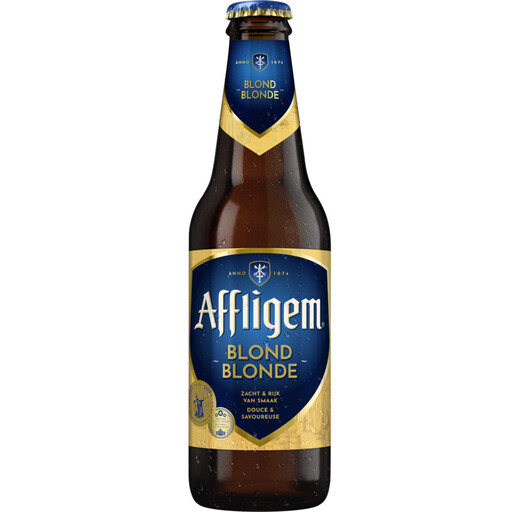
Why it suits this profile: A single 300 ml bottle keeps your purchase small when you want to try a Belgian blonde abbey beer first.
You do not have to buy a large multipack before knowing whether the gentle fruitiness and mild bitterness suit you.
300 ml volume; according to the product information, 6,7% alcohol and a blonde, lightly sweet profile.
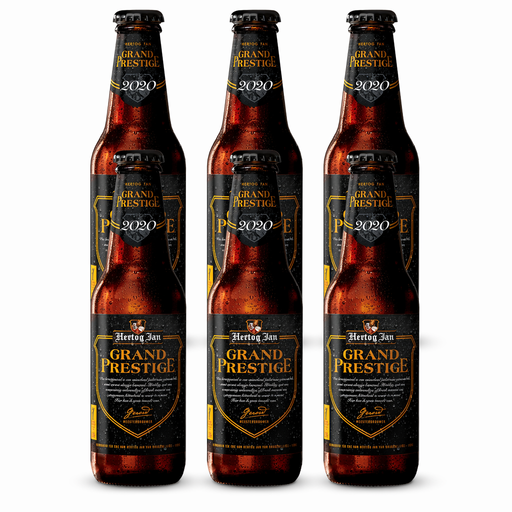
Why it suits this profile: This pack is intended for enthusiasts of a powerful, complex barley wine with 10,0% alcohol.
The high alcohol content and recommended serving temperature of 10–12 °C make the choice clearer than a general claim about “fullness”.
6 x 300 ml; 10,0% alcohol; a sweet and spicy flavour description with clear bitterness.
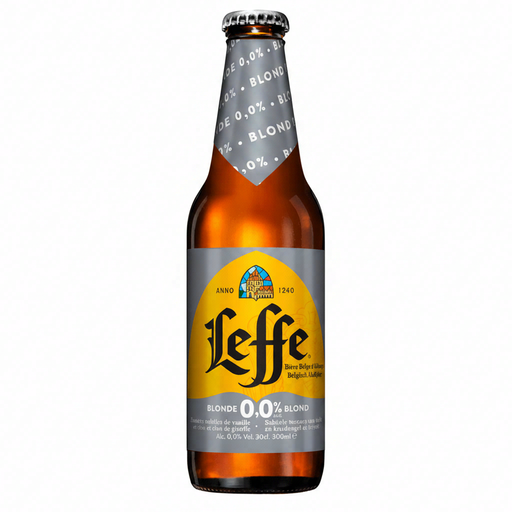
Why it suits this profile: A single 0.0 version is practical for occasions when you do not want to drink alcohol but would still like a blonde beer with a light meal.
The alcohol content is listed as 0.0%; however, always check the current packaging when your order arrives.
300 ml volume; 0.0% according to the product information; subtle sweetness and aromatic hops.
We have put together a complete, up-to-date list of products that fully meet these strict selection criteria and the applicable European safety regulations.
For a gift, a multipack featuring recognisable styles is often practical. Consider Delirium Tremens 4x33cl for someone who appreciates strong Belgian blonde beer, or Tripel Karmeliet 4x330ml for a fan of tripel made with barley, wheat and oats according to the product information.
For a meal, you can use the flavour profile as your starting point. The product description pairs Leffe Blond with dishes including abbey cheese, scallops and desserts. According to the product information, Delirium Tremens is recommended with salads and marinated salmon. These pairings are suggestions from the brand, not hard-and-fast rules: personal preference remains the deciding factor.
First check the beer style, origin, alcohol content and volume. Belgian speciality beer covers a wide range of varieties, from blonde abbey beer to tripel and strong blonde beer. Also check the label for barley, wheat and other allergens.
Not always. Calculate the price per bottle and per litre. A multipack may offer logistical savings, but an individual bottle prevents you from buying several bottles that do not suit your taste. Also consider the total volume and any delivery costs.
Store unopened bottles in a cool place, out of direct sunlight and at as stable a temperature as possible. Follow the information on the packaging for shelf life. Strong beer may be best served warmer than a refreshing blonde beer, so check the product page or label before pouring. Under-18s must not buy or drink alcohol; drink responsibly and do not take part in traffic after drinking alcohol.
