
Vandaag of morgen in huis

Kwaliteit gegarandeerd

Welkomstaanbiedingen ontgrendelen: GRATIS bezorging | Tot 80% korting | Gratis 30 dagen JoyPlus-proefperiode
Download de app
At first glance, choosing a soya milk seems straightforward. However, packaging varies significantly in taste, sugar content, protein, portion size and ease of use. A sweetened variety that tastes lovely in a glass, for example, may not suit coffee or savoury dishes. Similarly, a multipack can be impractical if you only use a plant-based drink occasionally.
For vegans, vegetarians, people with lactose intolerance and households looking for a dairy-free drink, there are therefore a few points to check beforehand.
Vanilla, banana or red berry soya milk can taste more accessible than an original soya milk. However, these often contain added sugar or fruit juice in the ingredients list. So don't just look at the front of the packaging – also check the carbohydrates and sugars per 100 ml.
A flavoured drink can be suitable for breakfast or as a snack, while a less sweet variety works better in coffee, porridge, smoothies or sauces.
A 1-litre soya milk is practical for home use, but once opened the packaging must be kept refrigerated and used within the stated period according to the product information. A multipack of soya milk with smaller cartons is more convenient for on-the-go, a lunchbox or a household that doesn't drink plant-based milk every day.
Always check the packaging for the exact storage and usage instructions.
Plant-based doesn't mean every soya milk has the same composition. Some varieties contain added calcium and vitamins; others focus mainly on flavour or convenience. According to the product information from different brands, protein and sugar values can also vary.
Also pay attention to allergens. Soya is an allergen and is therefore listed in the ingredients and allergen information. If you have an allergy or specific dietary requirement, it's important to check the label on the packaging you receive.
Compare the nutritional information table per 100 ml. The products mentioned, for example, contain approximately 2 to 3 grams of protein per 100 ml according to their product information. This makes comparison straightforward, regardless of whether you buy a 250 ml carton or a 1-litre one.
If you're mainly looking for a drink for breakfast, granola or a smoothie, you can also look for a product with added calcium and vitamins. Claims such as "source of" or "rich in" should always be assessed against the nutritional information table and the information on the packaging.
An original soya milk generally has a less sweet taste than a vanilla, banana or red berry variety. The ingredients list may contain sugar, fruit juice concentrate or flavourings. Choose a flavoured version if you specifically want that taste, but compare the amount of sugars per 100 ml with a natural variety.
Choose a format that suits your routine:
For UHT products, check the instructions for unopened storage, refrigeration after opening and the best-before date on the packaging.
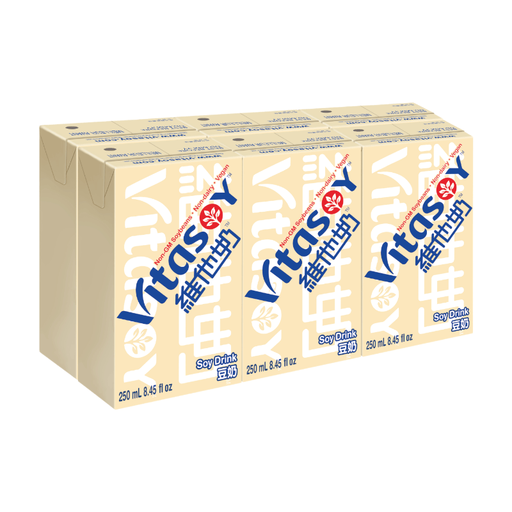
Why this fits the profile: The six 250 ml portions make it easy to try original soya milk without opening multiple litre cartons straight away. According to the product information, the drink is ready to use and suitable for serving chilled.
The small size limits waste after opening, and the original flavour prevents you from accidentally buying a sweetened, flavoured variety.
6 × 250 ml, ready to drink and, according to the product information, a source of plant-based protein and calcium per serving.
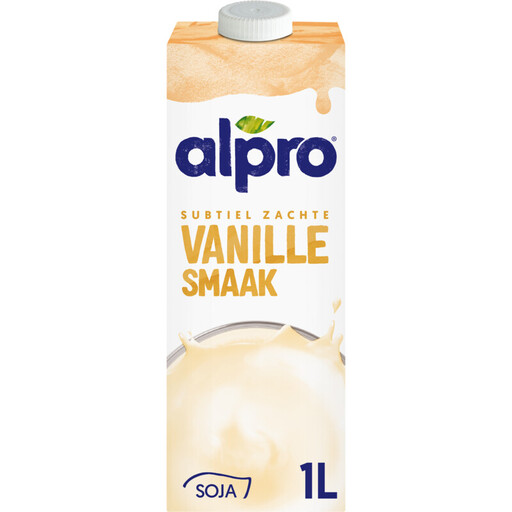
Why this fits the profile: According to the product information, this 1-litre soya milk is vegan, lactose-free and gluten-free, with a vanilla flavour, added calcium and vitamins B2, B12 and D.
The nutritional information states 3 g of protein per 100 ml; you can also see on the label that sugar is part of the composition. This allows you to assess flavour and nutritional value together.
1 litre, vanilla flavour, 3 g protein per 100 ml and, according to the product description, a source of calcium and vitamins.
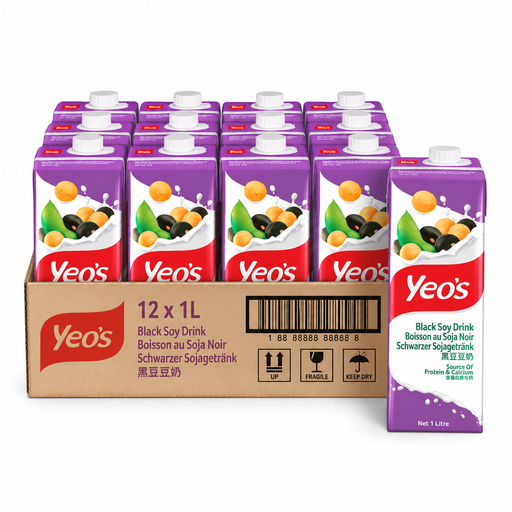
Why this fits the profile: The packaging contains 12 × 1 litre and suits households, offices or catering use with a regular demand for soya milk.
The large volume suits daily use, reducing the need for individual small cartons. However, do check your available storage space and the shelf life beforehand.
12 × 1000 ml, according to the product information 2 g protein, 67 mg calcium and 44 kcal per 100 ml.
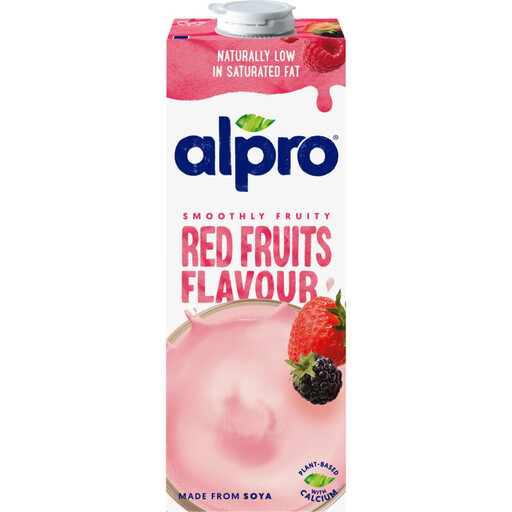
Why this fits the profile: The red berry flavour is designed for anyone looking for a fruity dairy-free drink that can be enjoyed chilled straight from the glass.
The nutritional information states 6 g sugars and 53 kcal per 100 ml. This gives you a clear starting point when comparing a fruity flavour with a sweeter composition.
1 litre, 2.6 g protein and 120 mg calcium per 100 ml according to the product information; vegan and naturally lactose-free according to the product description.
We've put together a full, up-to-date list of products that fully meet these strict selection criteria and comply with current European safety regulations.
No. Soya milk is a plant-based drink made from water and soya. Lactose-free milk is regular cow's milk from which the lactose has been broken down or removed. If you want to avoid dairy, therefore, choose a vegan milk or other plant-based milk. If you have allergies, always check the ingredients list.
Store an opened carton in the fridge and follow the period stated on the packaging. Shake the drink before use if recommended. Small portion cartons can be practical if you don't finish a carton quickly enough.
An original, less sweet soya milk is usually more suitable for coffee, porridge and savoury recipes than a banana, vanilla or red berry variety. Check the ingredients and choose a 1-litre carton if you use the drink regularly.
