
Vandaag of morgen in huis

Kwaliteit gegarandeerd

Welkomstaanbiedingen ontgrendelen: GRATIS bezorging | Tot 80% korting | Gratis 30 dagen JoyPlus-proefperiode
Download de app
Soy sauce is a staple seasoning in many kitchens. However, not every bottle is suited to the same preparation. Light soy sauce for sushi or stir-fried vegetables behaves differently from dark soy sauce for braised dishes. Kecap manis, Thai soy sauce and Korean fermented pastes also do not fit neatly into a single flavour profile.
Anyone who chooses a product based solely on the word “premium” or a large bottle may end up with a sauce that is too salty, too sweet or unsuitable for the recipe. This practical buying guide helps you compare soy sauces by ingredients, origin, volume and intended use.
Light soy sauce is generally thinner and intended for seasoning dishes, marinating or serving as a dip. Its colour remains relatively bright. Dark soy sauce typically has a deeper colour and is primarily used to give braised dishes, noodles and marinades more colour and body.
Dark soy sauce is not automatically saltier. For example, the product labels for the two Lee Kum Kee varieties list 18 grams of salt per 100 ml for the light version and 12 grams for the dark version. Always check the nutritional information rather than judging by colour alone.
Sweet soy sauce and kecap manis often contain considerably more sugar than light soy sauce. For example, Healthy Boy Thai Sweet Soy Sauce lists 56 grams of sugar per 100 ml. This makes it suitable for noodles, stir-fries, marinades and dips where sweetness is desirable, but less suitable as an all-purpose replacement for salty soy sauce.
A 700, 750 or 970 ml bottle may appear economical, but it is only practical if you regularly prepare Asian dishes. Also check the best-before date and storage instructions. Many products must be tightly sealed after opening; some recommend refrigeration. The information on the packaging takes precedence.
Use this simple guide:
Soy sauce is generally made with soybeans, wheat, water and salt. Anyone who needs to avoid gluten or wheat should read the label carefully. Many varieties list soy and wheat among their allergens.
Some products also contain sugar, molasses, colourings, preservatives or flavour enhancers. This does not automatically make a product unsuitable, but it does affect its flavour, colour and best uses. Lee Kum Kee Premium Light Soy Sauce, for example, contains yeast extract and sugar, among other ingredients. According to the product information, Healthy Boy Black Soy Sauce (Yellow) consists of 70% molasses, making it distinctly different from a classic light soy sauce.
Compare nutritional values per 100 ml or 100 grams. This is more reliable than relying on the front of the bottle. Pay particular attention to:
A larger bottle may reduce the price per millilitre, but only if you use it within the stated shelf life.
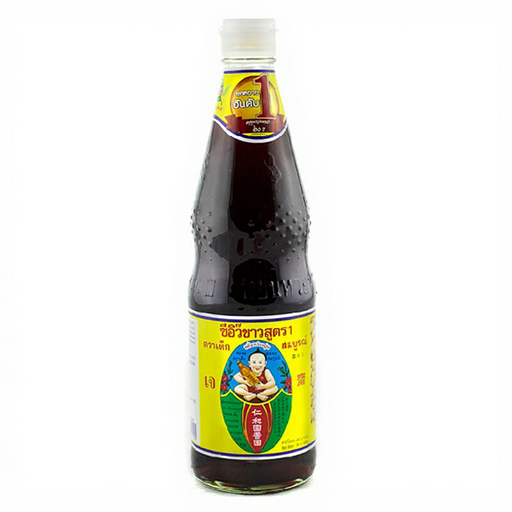
Why This Fits Their Persona: A generous bottle for anyone getting started with stir-fries, soups, marinades and dips who does not want to buy several types of sauce straight away.
The product information describes this variety as thin and savoury, so you are less likely to mistake it for a sweet or dark sauce. Do check the listed salt content of 22.6 grams per 100 ml.
700 ml volume; suitable for stir-fries, soups, marinades and dips; soy and wheat allergens clearly stated.
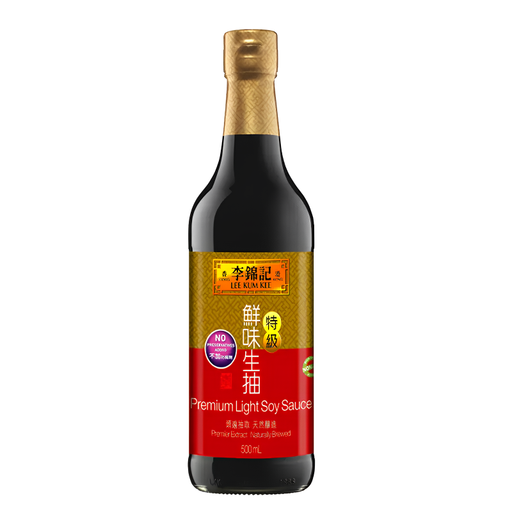
Why This Fits Their Persona: A convenient all-purpose Chinese soy sauce for cooking, marinating and serving as a dip.
The product description identifies the sauce as bright reddish-brown with a pronounced umami flavour. This makes its intended use clearer than a bottle relying solely on generic marketing language.
Made with soybeans and wheat; 500 ml; according to the label, suitable for dipping, marinating and cooking.
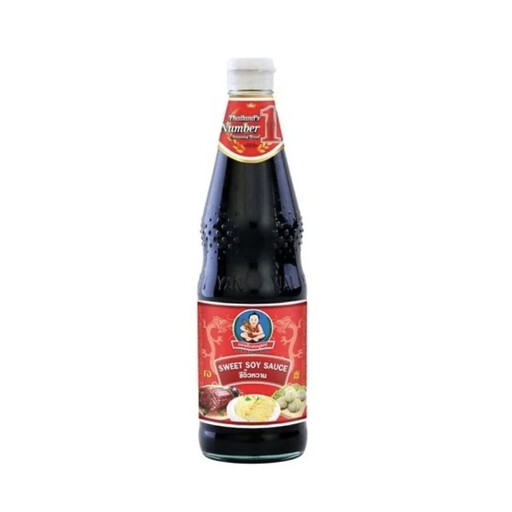
Why This Fits Their Persona: A large bottle for home cooks and professional kitchens that regularly prepare Thai noodles, stir-fries, marinades or sweet dips.
The name and product specifications explicitly mention “sweet” and a thick consistency. You therefore know that this is not a neutral light soy sauce. Its sugar content calls for measured use.
970 g volume; thick texture; 56 g sugar and 4.5 g salt per 100 ml according to the product information.
Browse a current selection of soy sauces and other soy-based seasonings, with information on type, volume, ingredients and intended use.
Soy sauce is generally thin and savoury. Kecap manis is typically thicker and sweeter, often because it contains sugar or syrup. Use light soy sauce for salty umami and kecap manis for nasi goreng, satay, noodles and sweet marinades.
You can in some dishes, but the colour and flavour will change. Dark soy sauce is primarily intended to add colour and depth. If you use light soy sauce as a substitute, add it carefully and adjust the amount of salt or other seasonings if necessary.
Store the bottle according to the label, tightly sealed and away from direct sunlight. Some varieties recommend refrigeration after opening. Always check the packaging, particularly for sauces with added sugar, pastes such as doenjang and ssamjang, or products you use less frequently.
