
Vandaag of morgen in huis

Kwaliteit gegarandeerd

Welkomstaanbiedingen ontgrendelen: GRATIS bezorging | Tot 80% korting | Gratis 30 dagen JoyPlus-proefperiode
Download de app
Soy sauce may seem like a simple product, but the differences between bottles can be significant. Dark soy sauce can primarily add colour and sweetness, while light soy sauce is generally used to make dishes savoury and rich in umami. Origin, fermentation method, salt content and bottle size also determine whether a product suits your kitchen.
If you focus only on words such as “premium”, “traditional” or “naturally brewed”, you could still choose the wrong bottle. The product information on the label gives a more reliable picture than marketing copy. Pay particular attention to these three common pitfalls.
Dark soy sauce is often thicker, sweeter and deeper in colour. It is used for stews, marinades and dishes where a dark glaze is desired. This does not mean you should use the same quantity as you would of light soy sauce.
Some dark varieties contain relatively high levels of sugar, molasses or colourings. Use a small amount and check the ingredients list. The product information for LEE KUM KEE Premium Dark Soy Sauce 500ml lists, among other ingredients, sugar and colourings, as well as a salt content of 12 grams per 100 ml.
Light soy sauce generally has a paler colour and a savoury taste. However, the term is not a complete nutritional specification. Compare the salt content per 100 ml and also check the serving size.
Chu Bang First Class Soy Sauce 1.25L is described as light soy sauce in the product description, but lists 19.40 grams of salt per 100 ml. MURASAKI Japanese Soy Sauce 1 L lists 12.7 grams of salt per 100 ml. This comparison shows why you should not rely solely on the name “light” or “first class”.
A 1-litre bottle of soy sauce is practical for households that regularly stir-fry or marinate. For occasional use, a 250 or 500 ml bottle may be more convenient. Once opened, the taste, aroma and quality can gradually change. Always follow the storage advice on the packaging.
Some products state that they should be refrigerated after opening, such as SH Soy Sauce 1L. Other varieties mainly recommend storing them in a cool, dry place with the cap tightly closed. Check this before buying a large bottle.
First, choose according to how you intend to use it:
This classification is a practical cooking guide, not a guarantee of one fixed flavour. Recipes and brands can vary.
Most traditional soy sauces contain soya beans, wheat, water and salt. As a result, they are generally unsuitable for people with a soya or gluten allergy. Also check whether sugar, sweeteners, flavour enhancers, preservatives or colourings have been added.
Kikkoman Traditional Soy Sauce 500 ml lists water, soya beans, wheat, salt and sugar as ingredients and states that it contains no artificial colourings or preservatives. According to the product information, Qianhe Premium Soy Sauce 500ml does contain colouring, flavour enhancers and the sweetener sucralose. “Premium” therefore does not automatically mean that the ingredients list is shorter.
For everyday cooking, 500 ml soy sauce and 1-litre soy sauce are common sizes. A 250 or 300 ml bottle is more suitable if you mainly eat sushi, dumplings or noodles occasionally.
Also consider how you will use it:
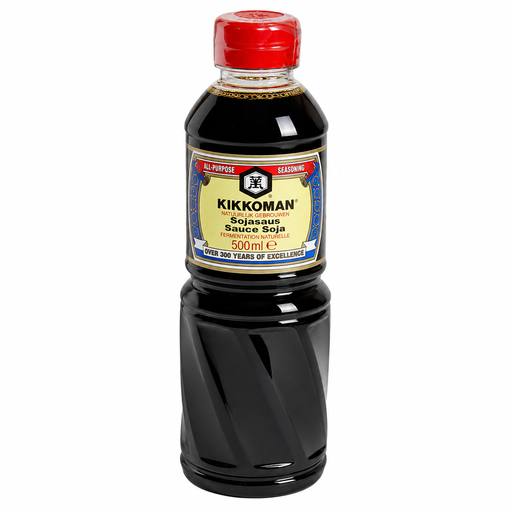
Why it suits this profile: The 500 ml size is manageable for everyday cooking, marinating and dipping, without immediately building up a large stock.
The product information lists specific ingredients and uses, so you do not have to rely solely on the term “traditional”.
Naturally brewed according to the product description; suitable for cooking, marinating and use as a dipping sauce. Contains soya and wheat.
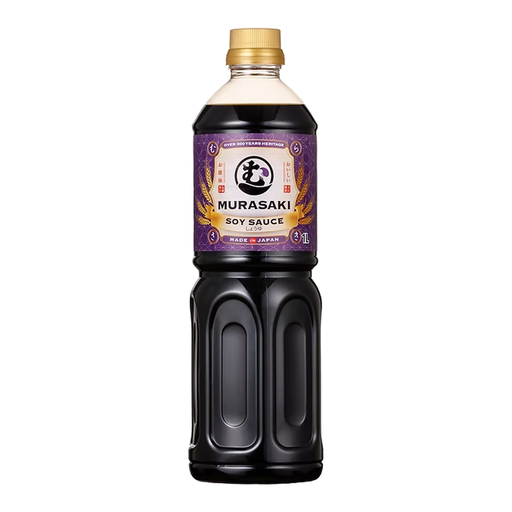
Why it suits this profile: This Japanese soy sauce is ideal for cooks who want one generous bottle for seasoning, marinating and serving as a dip.
The label lists the origin, size, ingredients and nutritional values. This makes it easier to compare colour, flavour and salt content with other bottles.
Japanese origin; 1-litre size; suitable for seasoning, marinating and dipping according to the product information.
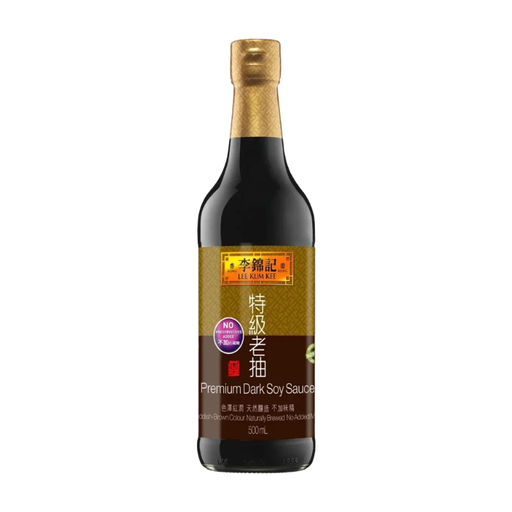
Why it suits this profile: A targeted choice for Chinese stews, dark marinades and recipes where a deep colour is desired.
The product description clearly mentions its colour and use for stews and marinades. This makes it less likely to be mistakenly used as a substitute for light soy sauce.
500 ml size; dark colour; according to the product information, less salt than the corresponding light variety. Contains soya and gluten.
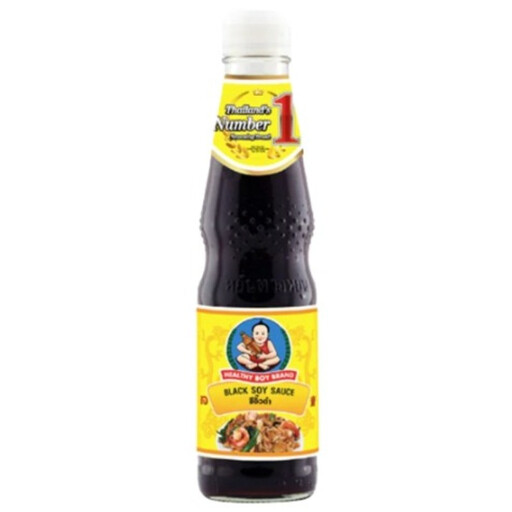
Why it suits this profile: The large bottle is designed for frequent use in stir-fries, marinades, stews and noodle sauces.
The product information explicitly describes the sauce as thick, dark and slightly sweet. You therefore know that it is not intended as a neutral light soy sauce.
960 grams; dark, syrupy style; suitable for stews, stir-fries, dips and noodle sauces according to the product description.
We have put together a complete, up-to-date list of products that fully meet these strict selection criteria and the applicable European safety regulations.
Light soy sauce is generally used for stir-frying because it adds savouriness without making the dish significantly darker. If you also want a deep colour and a little more sweetness, you can add a small amount of dark soy sauce. Check the salt content and add the sauce gradually.
Shelf life varies from product to product. Store the bottle according to the label, close the cap tightly and use clean kitchen utensils. Some brands recommend refrigeration after opening, while for others a cool, dry place is sufficient. The date on the packaging remains the definitive guide.
No. Both categories include different styles and production methods. Japanese soy sauce often contains soya and wheat and is widely used as a dip and table condiment. Chinese soy sauce includes light and dark varieties for cooking, marinating and adding colour. Always check the ingredients, origin and recommended use.
