
Vandaag of morgen in huis

Kwaliteit gegarandeerd

Welkomstaanbiedingen ontgrendelen: GRATIS bezorging | Tot 80% korting | Gratis 30 dagen JoyPlus-proefperiode
Download de app
At first glance, soy sauce seems simple: a dark bottle, a salty taste and an Asian label. Yet varieties differ greatly in ingredients, salt content, sweetness, origin and use. The right choice for sushi or a dip isn't automatically suitable for a stir-fry or marinade.
As Joybuy's Product Recommendation Officer, I filter the most important product information on practical points. This way, you avoid paying mainly for attractive packaging, a large volume or a vague term.
Light soy sauce usually refers to colour and flavour intensity, not a low salt content. Some light Chinese soy sauces contain around 17 to 19 grams of salt per 100ml. Always check the nutritional information table.
If you're looking for less salt, it's better to specifically look for a product labelled reduced-salt soy sauce. Kikkoman Less Salty, for example, states 9.1 grams of salt per 100ml. That's lower than classic Kikkoman with 16.9 grams per 100ml, but it remains a concentrated flavour enhancer.
Naturally brewed soy sauce can have a short ingredients list, but this varies by brand and variant. Check whether, besides water, soya, wheat and salt, there are also added sugars, sweeteners, colourings, flavour enhancers or preservatives.
With Kikkoman Naturally Brewed Soy Sauce, the stated base consists of water, soya beans, wheat and salt. Other products with a similar positioning may contain, for example, yeast extract or sugar. So don't just look at the front of the label.
A 1.8 or 1.9 litre bottle can be practical for a large family, restaurant or kitchen where you stir-fry daily. For occasional use, a smaller bottle might be wiser. After opening, various product instructions recommend sealing the bottle tightly and storing it in the fridge. Always check the label of your specific variant.
Also pay attention to usage: ketjap manis is sweet and thicker than regular soy sauce. With 60 grams of sugar per 100 grams, ABC Sweet Soy Sauce is mainly suitable for Indonesian dishes, marinades and sauces where sweetness is desired.
If you're looking for soy sauce without additives, look out for terms like preservative, colouring, sweetener and flavour enhancer. The product information for Qian He Soybean Sauce, for example, lists water, soya beans, wheat, salt and sugar as ingredients. Haday No-Additive Soy Sauce lists water, soya beans, salt, wheat, sugar and yeast extract.
"No-additive" or "zero-additive" is a product claim. Always judge it against the ingredients list on the bottle, as compositions can change.
Most classic soy sauces contain soya and wheat, and therefore also gluten. Kikkoman Classic, Haday Superior Light and Sempio Jin S list these allergens. If you have an allergy, always read the current packaging and information about possible cross-contamination.
Compare salt per 100ml or 100 grams, not just the amount of sodium per serving. A small serving can seem different from a generous splash in the pan. For a less salty choice, Kikkoman Less Salty states 9.1 grams of salt per 100ml; Haday Superior Light states 17.1 grams per 100ml.
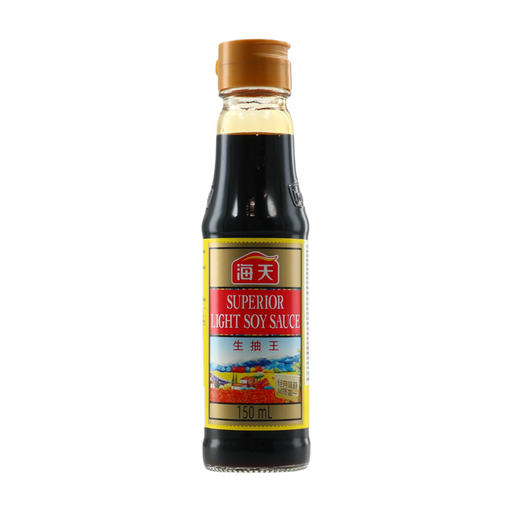
Why this suits the profile: The small bottle is ideal when you want to try soy sauce first or don't cook daily. The product information mentions stir-frying, marinating, dressings and dipping as uses.
The volume reduces the chance of a large bottle staying open for a long time. The label clearly lists soya and wheat as allergens.
150 ml content; suitable for multiple preparations; 17.1 g salt per 100 ml according to the product information.
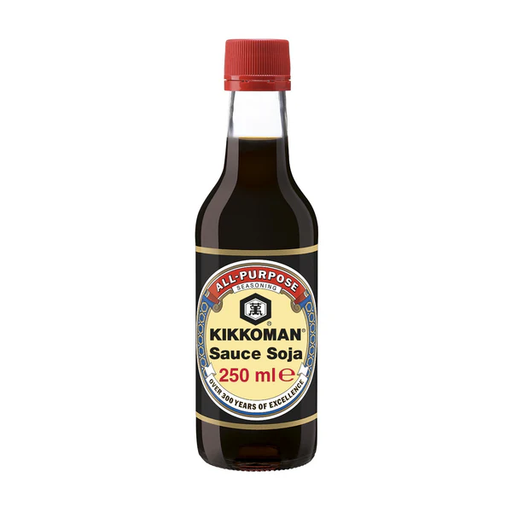
Why this suits the profile: This Japanese, naturally brewed soy sauce is perfect for cooks who want one bottle for both cooking and serving at the table.
The ingredients list is short: water, soya beans, wheat and salt. This makes the composition easy to check.
250 ml content; suitable as a table condiment and for cooking; 16.9 g salt per 100 ml according to the product information.
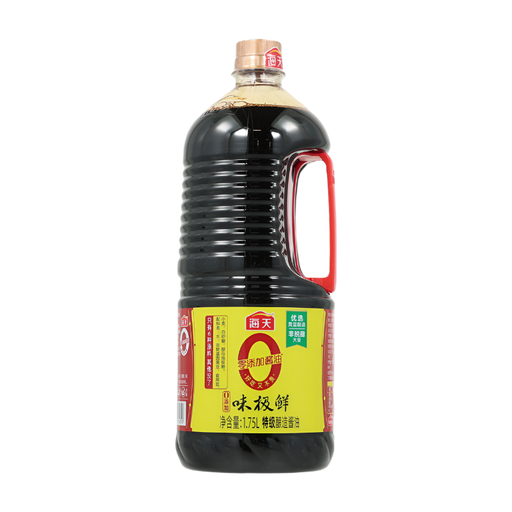
Why this suits the profile: The large bottle is practical for families, professional kitchens and home cooks who frequently stir-fry, marinate and dip.
The ingredients list mentions no artificial colourings, preservatives or flavour enhancers. This makes the bottle easy to compare with variants that have more additives.
1.75 litre content; states 31% soya beans and 12% wheat; suitable for stir-fries, marinades, cooking and dipping.
We've put together a full, up-to-date list of products that fully meet these strict selection criteria and current European safety regulations.
A light Chinese soy sauce or Thai thin soy sauce usually works well for stir-frying, as these varieties are designed to add flavour during cooking without adding much colour. Add the sauce gradually and taste before using extra salt.
Regular soy sauce is mainly salty and savoury. Ketjap manis is thicker and noticeably sweet due to its higher sugar content. Use regular soy sauce for sushi, dips, soups and stir-fries; choose ketjap manis for nasi, satay, Indonesian marinades and sweet sauces.
Store the bottle sealed in a cool, dry and dark place. Many product instructions recommend refrigeration after opening. Use a clean cap and check the best-before information on the packaging. If in doubt about the smell, colour or packaging, it's best not to use the product.
