
Vandaag of morgen in huis

Kwaliteit gegarandeerd

Welkomstaanbiedingen ontgrendelen: GRATIS bezorging | Tot 80% korting | Gratis 30 dagen JoyPlus-proefperiode
Download de app
Soy sauce may seem like a simple product, but the wrong bottle can completely ruin a dish. Many home cooks and even seasoned foodies make the wrong choice in the supermarket aisle, lured by a fancy label or a vague description. The result? A sushi dip that's too dark, a stew that lacks a deep colour, or a salty aftertaste that overpowers all other flavours. Before you buy a new bottle, it's worth knowing the most common pitfalls.
To make the right choice, it's helpful to check three key specifications. These determine the flavour, application, and whether the sauce fits your cooking style.
This is the most important distinction. The two are not interchangeable.
The production method has a huge impact on the taste.
For specific dietary needs or preferences, there are several options.
Below are some popular choices, matched to different cooking styles and needs.
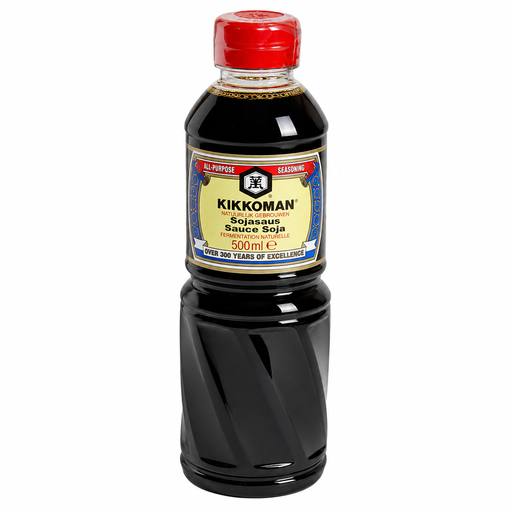
Why This Fits Their Persona: This is the classic Japanese soy sauce that belongs in almost every kitchen. Ideal as an all-purpose flavouring for stir-fries, marinades, or as a dipping sauce for sushi. A reliable choice for anyone who wants one good bottle in their pantry.
This sauce is naturally brewed, so you avoid the harsh taste of chemical alternatives. As a light soy sauce, it's perfect for flavour, not colour, preventing the mistake of making a dish too dark.
Made from just four ingredients. The flavour is complex and balanced, enhancing the natural taste of your ingredients rather than overpowering them.
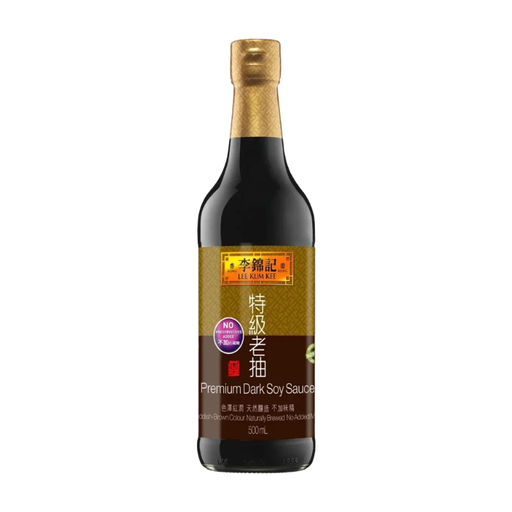
Why This Fits Their Persona: For anyone who loves making stews, red-cooked meats, or rich marinades. This dark soy sauce is specially designed to impart a deep, appealing colour and a slightly sweet, savoury flavour.
This is explicitly a dark soy sauce. By choosing it for colour, you avoid the mistake of using a light soy sauce, which would only make your dish saltier without giving it the desired deep colour.
Gives a rich, caramel-like colour and glaze to dishes. The flavour is less salty and more complex than light soy sauce, which is ideal for slow-cooked meals.
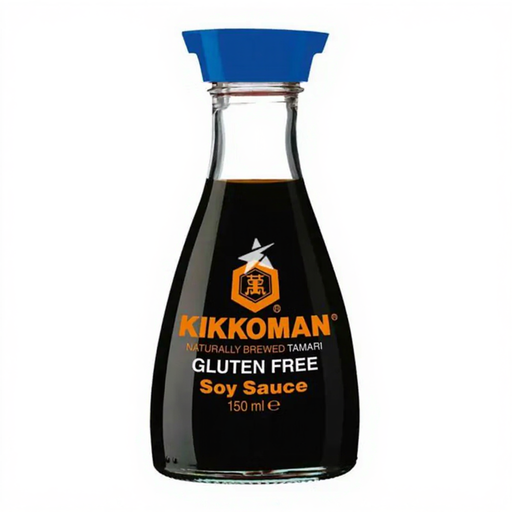
Why This Fits Their Persona: Specifically for people with a gluten intolerance or coeliac disease who don't want to compromise on the authentic umami flavour of soy sauce. This tamari is a direct, safe substitute in any recipe.
This bottle is explicitly a gluten-free tamari, made without wheat. This prevents the common mistake of buying a standard soy sauce that contains gluten, which is essential for a gluten-free diet.
Offers a deep, rich umami flavour comparable to high-quality traditional soy sauce. It is a versatile flavouring that is safe for gluten-free diets.
We have compiled a complete, real-time list of products that fully satisfy these strict selection criteria and UK safety regulations.
Although both are made from fermented soybeans, there are differences. Japanese soy sauce (shoyu) is typically brewed with an equal amount of soybeans and roasted wheat, resulting in a slightly sweeter and more nuanced flavour. It is often used as an all-purpose sauce. Chinese soy sauce has a clearer distinction between light soy sauce (saltier, for flavour) and dark soy sauce (thicker, sweeter, for colour).
An unopened bottle of soy sauce can be stored for years. After opening, the quality can slowly deteriorate. Although it won't spoil quickly due to its high salt content, the complexity of the flavour and aroma will diminish over time. For the best taste, it is recommended to store an opened bottle in the refrigerator and use it within a year.
Tamari is a type of Japanese sauce traditionally made with mostly soybeans and very little or no wheat. This makes it a naturally popular gluten-free soy sauce. However, not every gluten-free soy sauce is tamari. Some manufacturers create gluten-free versions by replacing wheat with other ingredients. If you follow a strict gluten-free diet, always check the label for the "gluten-free" certification.
