
Vandaag of morgen in huis

Kwaliteit gegarandeerd

Welkomstaanbiedingen ontgrendelen: GRATIS bezorging | Tot 80% korting | Gratis 30 dagen JoyPlus-proefperiode
Download de app
Ever find yourself standing in the soy sauce aisle, wondering which bottle to choose? Light, dark, Chinese, Thai... the selection is vast, and the wrong choice can completely alter your dish. It's a common dilemma for home cooks aiming to recreate authentic Asian cuisine at home.
This guide is designed to bring some clarity. As a Joybuy Product Recommendation Officer, I'll help you select the right soy sauce for your favourite dishes. Our recommendations are based on product features and practical applications, so you can add the right bottle to your digital shopping cart with confidence.
Before we get to the recommendations, here are a few practical tips to help you navigate the options.
The most basic distinction is between light and dark soy sauce. They are not interchangeable and each serves a unique purpose in the kitchen.
The origin of the soy sauce reveals a lot about its flavour profile. A Chinese soy sauce is typically brewed with a higher proportion of soybeans, resulting in a savoury, salty taste. Thai soy sauce can vary, but the dark varieties are often sweeter and widely used in local cuisine.
You can often identify a premium soy sauce by its short ingredient list: water, soybeans, wheat, and salt. A longer fermentation period, sometimes 180 days or more, indicates a more complex and richer flavour profile.
Based on product features and applications, we have curated a selection of soy sauces that will be a valuable addition to your kitchen.
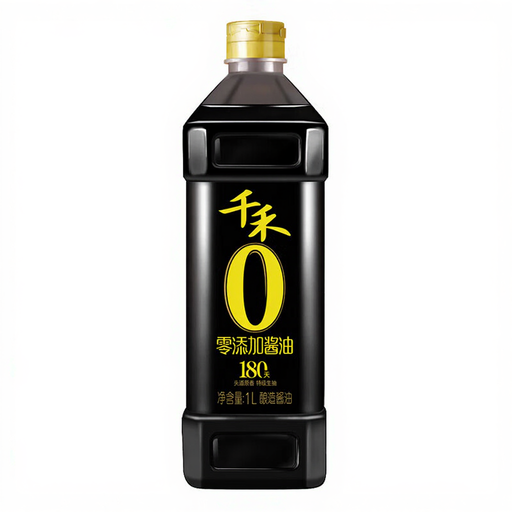
Why It Stands Out: This premium soy sauce from Qianhe is distinguished by its pure composition. According to the brand, no preservatives, colourings, or artificial flavourings are added. The 180-day full fermentation is a feature that points to a deep and rich flavour development.
Pros:
Who Is It For? For the cook seeking a high-quality, pure base sauce that respects the authentic flavour of the ingredients. An excellent all-rounder for a variety of Chinese dishes.
View Qianhe Zero Additive Soy Sauce on Joybuy.nl
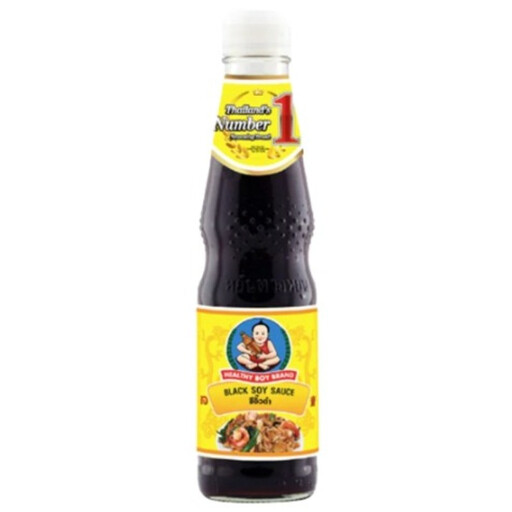
Why It Stands Out: This is a classic Thai soy sauce from the renowned brand Healthy Boy. Its thick, dark, and slightly sweet characteristics make it an indispensable ingredient for anyone wanting to replicate the authentic taste of Thai and Southeast Asian cuisine.
Pros:
Who Is It For? Perfect for enthusiasts of Thai cuisine and for cooks looking for a dark soy sauce that adds both colour and a deep, savoury-sweet flavour to their dishes.
View Healthy Boy Black Soy Sauce on Joybuy.nl
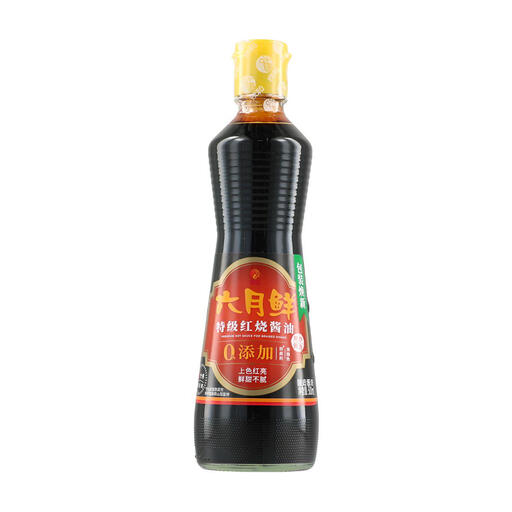
Why It Stands Out: This Chinese soy sauce from Shinho is specially formulated as a soy sauce for braising. The product is designed to impart that signature deep-red, caramel-like colour and savoury-sweet taste to classic 'red-cooked' dishes.
Pros:
Who Is It For? A perfect solution for those who want to make authentic Chinese braised dishes, such as braised pork belly (Hong Shao Rou) or braised fish. If you want to achieve that perfect glaze and deep colour, this is a highly suitable choice.
View Shinho Soy Sauce for Braised Dishes on Joybuy.nl
The world of soy sauce is vast and diverse. Are you looking for a gluten-free option, a Japanese tamari, or another specific type of black soy sauce? There are many more options available to suit your specific recipe or dietary needs.
Discover our full range of black soy sauce
Light soy sauce is thinner, saltier, and used to season dishes without significantly changing their colour. It is the standard all-purpose soy sauce. Dark soy sauce is thicker, sweeter, and less salty. It is primarily used to give dishes a deep, dark colour and a rich, complex flavour, especially in stews.
Unopened bottles of soy sauce can be stored in a cool, dark, and dry place, such as a pantry. After opening, it is recommended to store the bottle in the refrigerator. This helps to maintain optimal flavour and freshness and extends its shelf life.
Although they are both soy sauces, they have different flavour profiles. Japanese shoyu is often brewed with an equal ratio of soybeans and wheat, resulting in a slightly sweeter and more complex taste. Chinese soy sauce is generally saltier and more earthy. For an authentic result, it is best to use the soy sauce specified in the recipe, but they can be substituted for each other in a pinch, though the taste will be different.
