
Vandaag of morgen in huis

Kwaliteit gegarandeerd

Welkomstaanbiedingen ontgrendelen: GRATIS bezorging | Tot 80% korting | Gratis 30 dagen JoyPlus-proefperiode
Download de app
Sour Chinese plums come in more varieties than the name suggests. Some are predominantly sour and salty, others are sweeter, spiced with liquorice or chilli, or designed to be dissolved in water. If you only look at the front of the packet, you could end up buying a product that doesn't match your taste or intended use.
The main pitfalls to watch out for are:
Don't just rely on terms like “original”, “dark plum” or “ume”. Look at the full ingredients list. A product containing plum, salt and water serves a different purpose than a sweet-and-sour plum with sugar, liquorice and flavourings.
Common varieties include:
According to brand product information, flavour descriptions such as “refreshing”, “stimulates the appetite” or “traditional taste” can vary by recipe. Treat these descriptions as product positioning rather than a guaranteed effect.
The nutritional values per serving can be misleading when a packet contains multiple servings. Always compare the table per 100 grams.
For example:
A lower sugar content does not automatically mean a milder flavour. The product could be saltier or more intensely sour instead. With aspartame, the warning “contains a source of phenylalanine” is also important. Always check the current label, as the composition and nutritional information can change.
A 60 to 80-gram bag is ideal for a first try or a snack on the go. Individual wrappers are handy for the office, travel or sharing. Larger packs are more practical if you also use the plums in drinks and dishes.
Store preserved Chinese plums in a cool, dry place away from direct sunlight. Seal an opened bag tightly to prevent them drying out. Products with moisture, such as salty plums in brine, should be refrigerated after opening according to the product information.
Also consider the application:
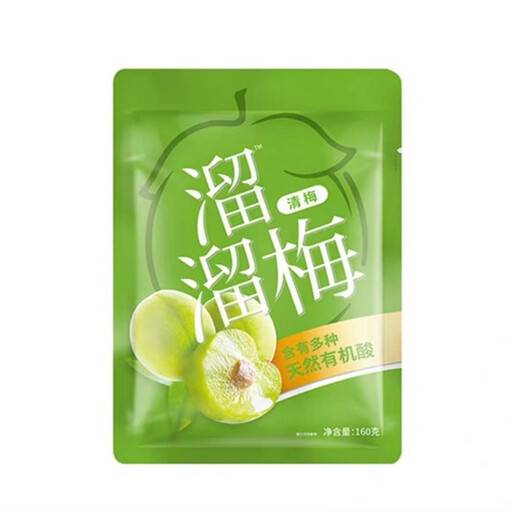
Why this fits the profile: A 160-gram pack gives you room to try the classic sweet-and-sour flavour at your own pace and share it if you like.
The ingredients list mentions green plum, sugar, salt and preservatives. This lets you see upfront that it's not a purely salty plum with just three ingredients.
160 grams, ready to eat and chewy in texture according to the product information. The label lists sulphites as an allergen.
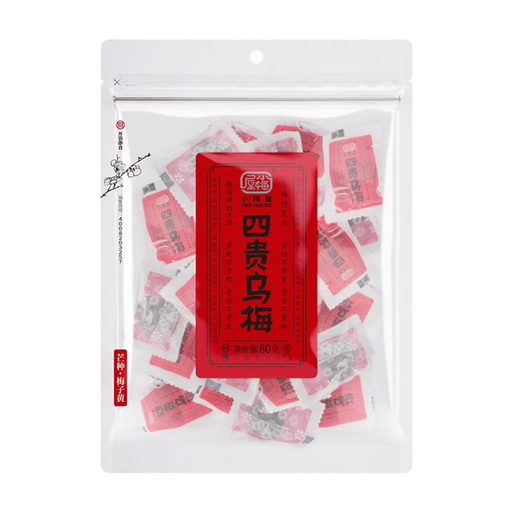
Why this fits the profile: Ideal for enthusiasts who love a pronounced four-flavour plum with a firm, full texture and individual wrappers.
The product information lists green plums, sugar, salt, citric acid and preservatives. This makes the flavour expectation clearer than with a packet that only has a generic taste name.
80 grams, individually wrapped and 60% plum according to the product listing. This product contains sulphites.

Why this fits the profile: A practical choice for home cooks who want to use preserved Chinese plums in drinks, sauces, fish or meat dishes.
The ingredients are limited to plum, edible salt and water. This makes it easier to add your own sugar, chilli or other flavourings.
160 grams, ready to use and suitable for a sour plum drink. The product information states 12 grams of salt per 100 grams; refrigerate after opening.
We've put together a full, up-to-date list of products that fully meet these strict selection criteria and comply with current European safety regulations.
For a simple drink, crush one or two salty plums and mix with cold or warm water. Add sugar to taste and taste first before adding extra salt. With a sweeter variety, a plum with honey or sugar may already provide enough flavour.
In dishes, plums work well as a sour-salty seasoning. Purée a small amount for a dipping sauce with chilli, add a plum to steamed fish, or use the fruit in a marinade. Start with a little: the salt content can quickly dominate.
Not always. “Ume” usually refers to a Japanese or East Asian plum variety and preparation style, whereas Chinese plum snacks often use green plums that are dried, salted and spiced. Check the ingredients and origin on the packet.
Crush one or two preserved plums, remove the stone if you like, and add hot or cold water. Taste and then add sugar as desired. Use a salty plum carefully, otherwise the drink can quickly become very salty.
The shelf life is stated on the packet. Unopened dried or preserved plums are usually best stored in a cool, dry place. Seal an opened bag tightly; products in moisture or brine should be kept in the fridge after opening according to the product information and used promptly.
