
Vandaag of morgen in huis

Kwaliteit gegarandeerd

Welkomstaanbiedingen ontgrendelen: GRATIS bezorging | Tot 80% korting | Gratis 30 dagen JoyPlus-proefperiode
Download de app
Buying soup might seem straightforward, but the range varies greatly in flavour, preparation, ingredients and shelf life. A pouch of ready-to-eat soup is handy for two bowls, while instant soup in portion sachets is ideal for work, study or on the go. International varieties, such as Japanese miso soup and Turkish soup, also have their own preparation methods and allergens.
If you only look at the front of the packaging, you could end up paying too much for a small portion, choosing a flavour that doesn't suit the occasion, or picking up a product that doesn't fit your diet. With these practical checks, you can compare soup based on the information that should be on the packaging and product page.
A tin or pouch of 570 ml sounds generous, but according to the product specification it often contains two portions of around 285 ml. A 800 ml pack can yield roughly three bowls. So always check:
A small instant soup of 28 grams, for example, can contain seven portion sachets of 100 ml. That's practical, but not comparable to a tinned meal soup.
Words like "creamy", "hearty" or "traditional" mainly describe the product's positioning. For an objective comparison, look at the proportion of vegetables, meat, rice, noodles or pulses. Unox Tomato Soup, for instance, states 80.4% vegetables, including 77.5% tomato. Unox Brown Bean Soup lists 53% brown beans.
Also check the nutritional values per 100 ml, 100 grams and per portion. The salt content in particular can vary significantly between types. With instant and international soups, the value is sometimes given per 100 grams of dry product, making direct comparison with ready-to-eat soup less straightforward.
Soup can contain milk, gluten, wheat, celery, soya, mustard, egg or fish ingredients. Japanese miso soup typically contains soya; some varieties also contain wheat or gluten. Turkish soup with yoghurt contains milk and may contain wheat. So always read the current packaging, even if a product previously seemed suitable.
Also pay attention to the storage instructions. Most ambient products should be kept cool and dry, but some product descriptions mention chilled storage. The packaging is the final authority on temperature, shelf life and use after opening.
For a quick soup, choose a product that suits the equipment you have available:
Always follow the instructions on the packaging. A pouch soup often needs to be shaken first and sometimes shouldn't be boiled, whereas a tinned soup should be heated until it boils.
For a light lunch, rice, noodles, vermicelli, beans or meat ingredients are relevant. A soup that is mostly broth with few solid ingredients is more of a snack or starter. If you're looking for a meal soup, you can look for:
This also helps when comparing chicken soup, tomato soup, mushroom soup and pumpkin soup.
Classic Dutch flavours include chicken soup, tomato soup, brown bean soup and asparagus soup. For an international choice, Japanese miso soup, Yayla Corbasi, ezogelin and tarhana are interesting options. Vegetarians can choose varieties such as creamy mushroom soup, pumpkin soup or Saitaku miso soup, but always check the current ingredients list.
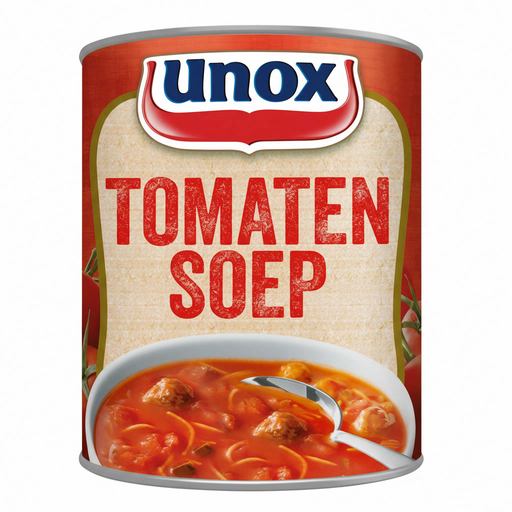
Why this suits the profile: A familiar tomato soup in an 800 ml pack, suitable for around three bowls and easy to heat up.
The volume and number of portions are clearly stated, so you can better estimate the price per bowl.
800 ml content, 80.4% vegetables according to the product information, and preparation in a pan or microwave.
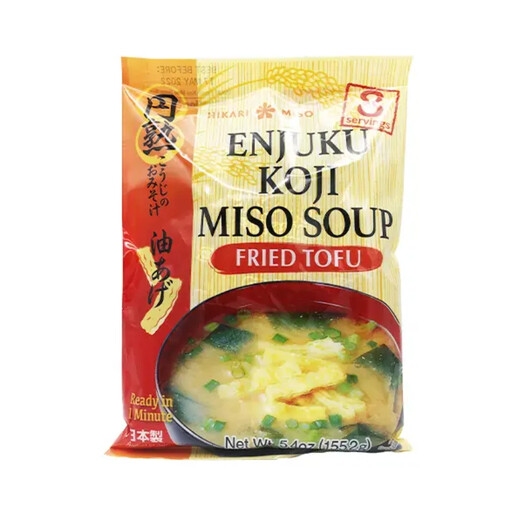
Why this suits the profile: For lovers of Japanese flavour, umami and a store-cupboard product that is prepared with hot water.
The ingredients and allergens are specified: the product contains soya, gluten and wheat.
Miso with aburaage, seaweed and spring onion; store in a cool, dry place.
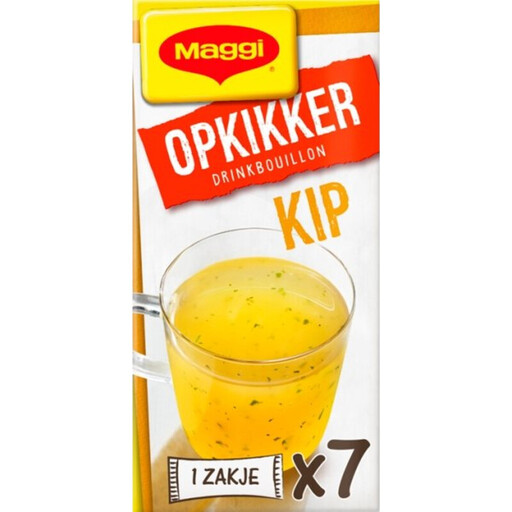
Why this suits the profile: Handy for keeping a stock in the office, while travelling or when you want one small portion of quick soup.
The pack contains seven individual sachets of 100 ml, so waste after opening is kept to a minimum.
Powder form, only needs hot water and suitable for seven separate portions.
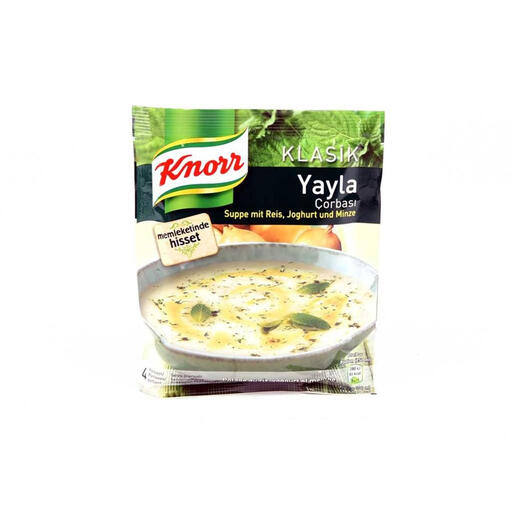
Why this suits the profile: A Turkish soup with rice, yoghurt and mint for anyone looking for a different flavour direction from chicken soup or tomato soup.
The product information lists rice, yoghurt powder, wheat and mint; so you can check flavour and allergens in advance.
Preparation with water and boiling; available as a single pack and as a multipack.
We've put together a full, up-to-date list of products that fully meet these strict selection criteria and current European safety regulations.
Instant soup is practical if you only need a kettle and a mug. Maggi Chicken Soup contains seven portion sachets. A 570 ml pouch soup is more suitable when you have access to a microwave or hob and want to serve two bowls.
Unopened ambient soup can generally be stored until the date on the packaging, under the stated storage conditions. After opening, you should follow the instructions on the label. Usually, store opened soup covered in the fridge and pay attention to the stated period. The date and instructions on the current packaging are the final authority.
You calculate the price per portion by dividing the pack price by the stated number of portions. When doing so, compare the same serving size. A 800 ml tin with three bowls can be better value per portion than several small sachets, while instant soup gives less waste when you only need one small bowl.
