
Same-day & Next-day Delivery

Quality Guaranteed

Unlock Your Welcome Offers: FREE Delivery | Up to 80% OFF | Free 30-day JoyPlus trial
Download the APP
A bowl of warm soup is the definition of convenience. Whether it's a quick lunch on a busy workday, a pick-me-up after a workout, or a simple evening meal, ready-made soup is a staple in many kitchen cupboards. But with an overwhelming selection, buying soup can be a challenge. Not every package delivers the flavour and quality it promises.
Before you fill your shopping basket, it's wise to know the most common pitfalls:
Asian soup that tastes like broth with a pinch of ginger, or a Mexican soup with no kick. Many world soups are a pale imitation of the original, designed for a broad audience and therefore stripped of their authentic character.To sidestep these pitfalls, it helps to focus on a few concrete specifications. This way, you can make a choice that fits your taste and lifestyle.
The selection can be roughly divided into three categories, each with its own pros and cons:
soup in a pouch or can. Think of the classic tomato soup or mushroom soup. You just need to heat it up. Ideal for those seeking maximum convenience. Brands like Unox soup are prominent here.miso soup paste or a base for Turkish lentil soup. They provide an authentic flavour foundation that you can build upon with fresh ingredients. This type offers the most freedom but requires a bit more preparation time.The front entices, the back informs. Take the time to read the label.
vegetarian soup? Don't just trust the name; check for an official vegetarian label and ensure the ingredient list is free of animal products like meat-based broth.To help you get started, we've highlighted a few popular choices and matched them to different needs.
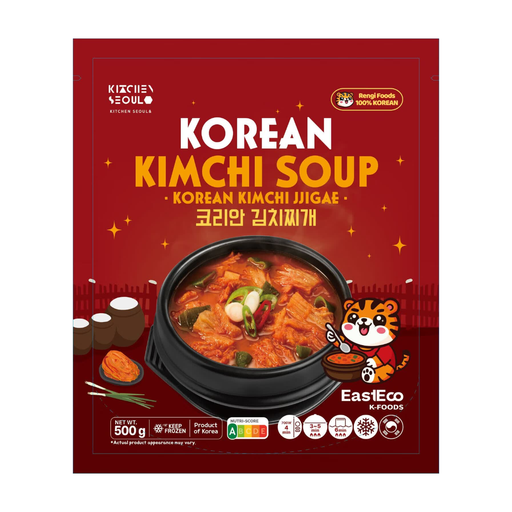
Why This Fits Their Persona: For those seeking an authentic, spicy, and complex flavour that goes beyond standard European soups. An excellent choice for lovers of Korean cuisine who want to experience the true taste of kimchi jjigae at home.
This isn't just a 'world' soup in name only. The product contains 30% fermented kimchi, which provides a deep, sour, and spicy flavour that avoids the 'worldly disappointment' pitfall.
An authentic base for a complete meal; easily add your own tofu, pork, or extra vegetables. The flavour is savoury and layered.
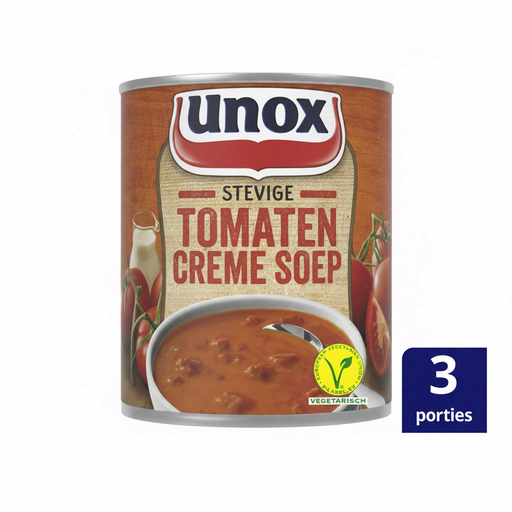
Why This Fits Their Persona: A large, trusted, and creamy option that will appeal to most family members. This ready-to-eat soup heats up quickly, saving time on busy weekdays.
Instead of vague claims, Unox provides clear information. According to the manufacturer, each bowl contains 167 grams of vegetables and the soup has a Nutri-Score B, an objective indicator that helps avoid the 'hidden unhealthiness' trap.
Large packaging (800 ml) for 3 bowls of soup. Made with sustainably grown tomatoes. A classic, reliable flavour.
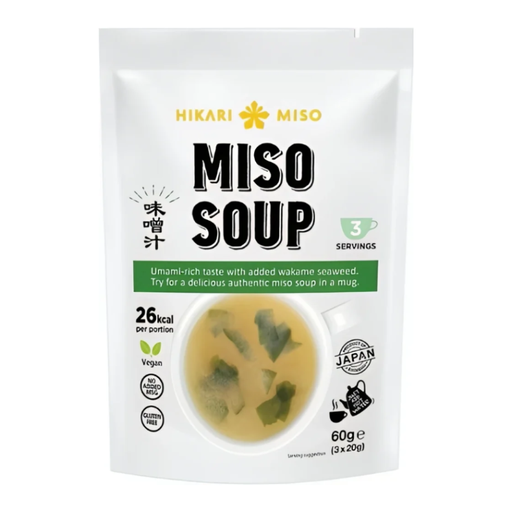
Why This Fits Their Persona: Ideal for a quick, light, and flavourful lunch at the office. This instant soup only requires hot water and is a more refined alternative to standard vending machine soup.
This is not a generic powdered soup. It's an authentic Japanese miso soup with recognisable ingredients like dried tofu and seaweed, which prevents the 'worldly disappointment' pitfall.
Ready in seconds. Packaged in 3 separate servings for convenience and freshness. Offers a rich, umami flavour.
We have compiled a complete, up-to-date list of products that fully meet these strict selection criteria and local regulations.
You can elevate even a simple ready-to-eat soup with a few small additions. Stir in some fresh herbs like parsley or chives at the end. A splash of (plant-based) cream or crème fra?che makes a tomato soup or mushroom soup extra creamy. Homemade croutons, a handful of bean sprouts, or some spring onions will add a satisfying crunch.
Soup in a pouch is often perceived as being slightly fresher, and the packaging is more flexible. Canned soup is very robust and generally has a longer shelf life, making it a great option for your pantry. However, the final taste and quality depend more on the brand and the ingredients used than on the packaging itself.
Pay attention to the type of miso used: shiro (white) miso is generally milder and sweeter, while aka (red) miso is more powerful and saltier. Also, check if it's a complete instant soup (a mix of paste and dried toppings) or a pure miso paste that you use as a base for a dish. Important for vegetarians: traditional Japanese miso soup often contains dashi (broth) made from bonito (fish flakes) and is therefore not always vegetarian. Check the ingredient list carefully.
