
Vandaag of morgen in huis

Kwaliteit gegarandeerd

Welkomstaanbiedingen ontgrendelen: GRATIS bezorging | Tot 80% korting | Gratis 30 dagen JoyPlus-proefperiode
Download de app
Buying soft drinks may seem straightforward, but online, packaging, ingredients and nutritional values can vary considerably. An attractive product photo or the term “exotic” says little about what is actually inside. If you focus only on the flavour name or price, you could receive a small bottle, an unexpectedly high amount of sugar or even an alcoholic drink.
With these practical checks, you can compare ordering soft drinks online, a soft drink offer and multipacks such as soft drink cans or a 24-pack more effectively.
A 1.5-litre bottle may seem like good value, but always compare the price per litre. With cans, check the total volume. For example, a pack of 24 cans containing 330 ml each holds 7.92 litres. A smaller pack may be more convenient when you are out and about, while a larger pack makes more sense for a party or family.
A fruit drink may contain only a limited percentage of fruit juice or fruit purée. Maaza Guava, for example, states 16% guava juice from concentrate. According to the product information, Wicky Strawberry contains 10% fruit juice from concentrate, part of which is strawberry. So check the ingredients list and fruit percentage rather than relying on the flavour name alone.
Also pay attention to the difference between fruit juice, fruit drinks and soft drinks. A drink made with sparkling water, sugar and flavourings is different from one with a clearly stated juice or purée content.
With sugar-free soft drinks, the nutritional information is particularly important. Coca-Cola Zero Sugar states 0 grams of sugar and 0 kcal per 100 ml. Wicky Raspberry without sugar states less than 0.1 grams of sugar and 1 kcal per 100 ml. Both products use sweeteners, so check the full ingredients list if you want to avoid certain sweeteners.
International soft drinks may use different nutritional information formats on their packaging. Always check the Dutch-language product information and the label when your order arrives.
The value per can or bottle tells you more about your actual serving than the value per 100 ml alone. A drink containing 10 grams of sugar per 100 ml contains approximately 33 grams of sugar in a 330 ml can. So check:
A low sugar content is not the same as a health claim. It is simply an objective part of the nutritional information table.
For use at home, a 1.5-litre bottle can be practical. For a party, cans are often easier to hand out as individual servings. A 24-pack does, however, take up more storage space. In addition to the number of packs, check:
The product information for several drinks states that opened packaging should be stored in the refrigerator and used within the stated period.
Read the full ingredients list. Malta Guinness, for example, contains barley, making it relevant for people who need to avoid this ingredient. Coca-Cola Zero Sugar states that it is a source of phenylalanine because it contains aspartame.
Pay particularly close attention to the alcohol content of exotic drinks. According to the product information, Safari Senza is a drink based on distilled alcohol with 14.9% alcohol. This product is therefore not suitable for a standard selection of soft drinks for children or alcohol-free occasions. If in doubt, always check the label and product category.
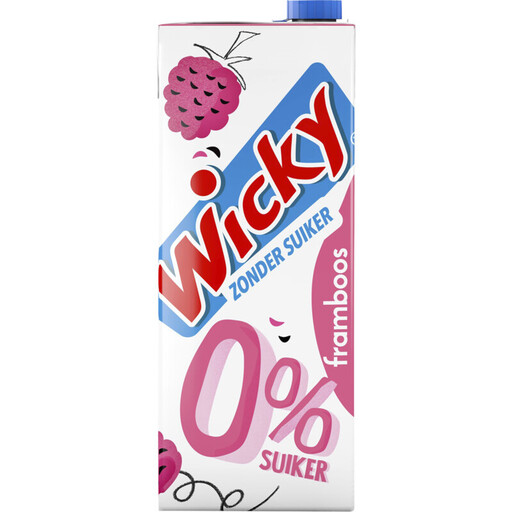
Why it suits this profile: The 1.5-litre bottle is suitable for use at home, and the product information states that it contains 1 kcal and less than 0.1 grams of sugar per 100 ml.
The fixed volume makes it easy to compare the price per litre. The nutritional information table also shows that the drink is sweetened with sweeteners.
1.5 litres, 1 kcal per 100 ml according to the label and added vitamin E according to the product description.
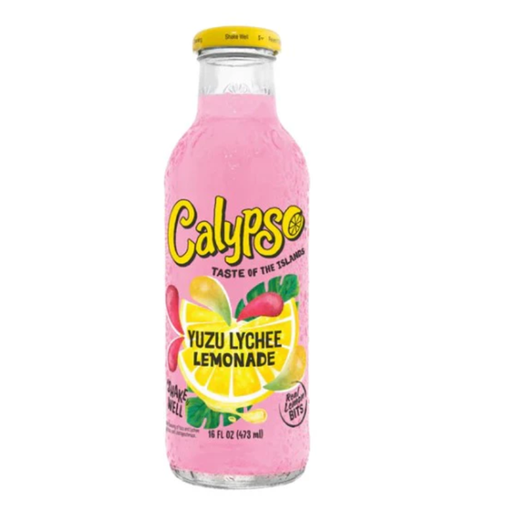
Why it suits this profile: This individual bottle is aimed at people who enjoy a distinctive combination of yuzu, lychee and lemon.
The flavour description is backed up by specific ingredients: concentrated lemon juice, lemon pulp and natural flavourings.
473 ml and 46 kcal with 11 grams of sugar per 100 ml according to the stated nutritional information.
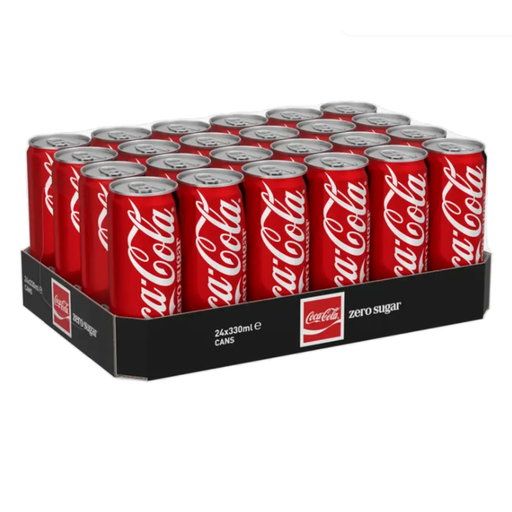
Why it suits this profile: A tray of 24 cans containing 330 ml each is ideal for parties, keeping a supply at home or serving regularly.
The packaging and total volume are clearly stated. However, check the sweeteners and source of phenylalanine in the ingredients list.
24 cans of 330 ml and, according to the product information, 0 kcal and 0 grams of sugar per 100 ml.
We have compiled a complete, up-to-date list of products that fully meet these strict selection criteria and the applicable European safety regulations.
Before placing your order, check the following:
When there is a soft drink offer, the unit price is particularly important. A low price per pack may work out less favourably if the pack contains less. A bottle may be practical for a family, while soft drink cans are often easier to organise for an event.
A soft drink is usually made with water, carbon dioxide, sugar or sweeteners and flavourings. A fruit drink also contains a stated proportion of fruit juice or fruit purée. Always check the ingredients list and juice percentage.
Store opened soft drinks according to the packaging instructions, usually refrigerated and tightly sealed. Observe the stated period after opening. Unopened products should generally be stored in a cool, dry place away from direct sunlight.
That depends on the price per litre and the pack size. Divide the total price by the total number of litres. Also consider the storage space required and whether you will use all the cans within the stated shelf life.
