
Vandaag of morgen in huis

Kwaliteit gegarandeerd

Welkomstaanbiedingen ontgrendelen: GRATIS bezorging | Tot 80% korting | Gratis 30 dagen JoyPlus-proefperiode
Download de app
Buying soft drinks and fruit drinks online may seem straightforward, but product pages can hide important differences. For example, a prominent fruit flavour says little about the actual fruit juice content. A large multipack may also appear better value, while individual cans or smaller packs may suit your consumption better.
With this practical checklist, you can compare flavour, volume, sugar content and occasion without being guided by the packaging alone.
A mango, cherry or guava theme on the label does not automatically mean that the drink mainly consists of fruit juice. Therefore, check the ingredients list. For example, Maaza Guava Fruit Drink states 16% guava juice from concentrate. According to the product information, the rest consists of water and sugar.
When buying fruit drinks, it is also important to understand the difference between fruit drink, juice from concentrate and 100% juice. Dimes Nar Suyu lists water and pomegranate juice concentrate as ingredients, while other drinks combine several fruit juices with dairy ingredients, sweeteners or flavourings.
A sugar-free soft drink may suit those who want to avoid sugar, but you should also check which sweeteners are used and review the full ingredients list. Pepsi Peach flavor no sugar lists aspartame, acesulfame-K and sucralose, among others. According to the product information provided, its nutritional value is 0 grams of sugar and 0 kcal per 100 ml.
That does not automatically make the product suitable for everyone. People with a particular sensitivity or dietary requirement should check the label and allergen information carefully. Products containing aspartame also carry a warning about phenylalanine on the packaging.
A soft drink multipack is practical for a party, office or large household, but less convenient if you only drink a can occasionally. Pay attention to:
A box of 24 330 ml cans, such as Fernandes Cherry Bouquet, contains almost eight litres of drink in total. That is a different purchase profile from a 1-litre bottle of fruit drink or a box of ten 200 ml drink pouches.
Always compare the table per 100 ml. This allows you to compare a can, bottle and carton fairly. According to the product information, Fernandes Cherry Bouquet contains 10.2 grams of sugar per 100 ml, while Lipton Ice Tea Peach lists 3 grams of sugar per 100 ml. Packaging with less sugar per 100 ml may still contain a significant amount when the serving is larger.
For sugar-free soft drinks, also check which sweeteners are used. With 1-litre fruit juice or tropical fruit drinks, some of the sugar may come from the fruit, but always check the current label. Product information and ingredients may change.
When looking for a fruit drink, check:
According to the product description, Dimes Apricot Drink contains more than 40% apricot purée. Taksi Tropical Fruit, on the other hand, is a drink made with fruit juice and dairy ingredients and contains milk. This difference is relevant to people with a milk allergy, those limiting lactose or anyone who prefers plant-based drinks.
Small drink pouches are convenient for travelling or packed lunches. A 1- or 1.5-litre carton is better suited to breakfast, a meal or several people. Kombucha is often sold in multipacks; Nexba Kombucha Mango and Nexba Kombucha Mixed Berry are both packaged as 12 x 330 ml.
Store unopened drinks according to the label, usually in a cool place away from direct sunlight. Many fruit drinks and soft drinks should be refrigerated after opening. Also check the seal and best-before date. With kombucha, it is sensible not to confuse product information about fermentation and live cultures with a medical effect: according to the product description, Nexba contains naturally fermented kombucha and live cultures, but this is not a health claim.
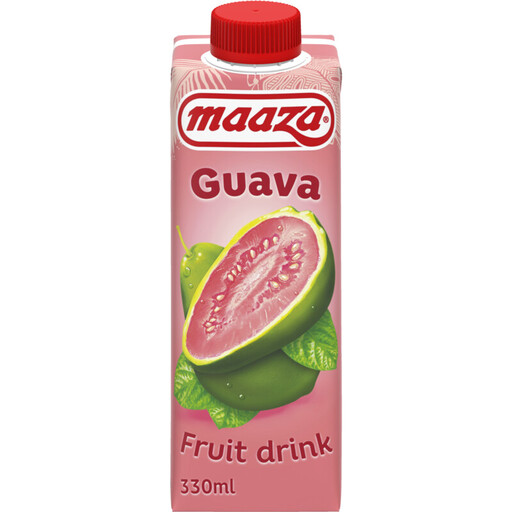
Why it suits this profile: A single 330 ml bottle is an easy way to try an exotic flavour without immediately buying a large pack.
The juice content is clearly stated in the product information: 16% guava juice from concentrate. This helps you put the fruit claim into context.
330 ml, guava flavour, no declared EU major allergens and suitable for serving chilled.
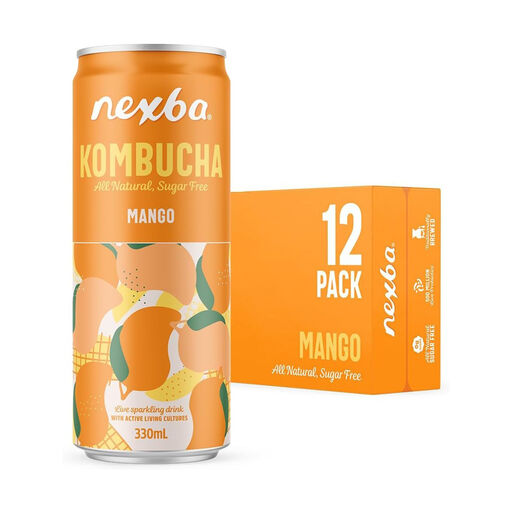
Why it suits this profile: For anyone looking for a distinctive mango flavour and an alternative to ordinary soft drinks, with a supply for home or the office.
The product details state 0 grams of sugar per 100 ml and identify the sweeteners used. You therefore do not have to rely solely on the front of the can.
12 cans of 330 ml, 2 kcal per 100 ml according to the product information, fermented kombucha and none of the 14 listed EU major allergens.
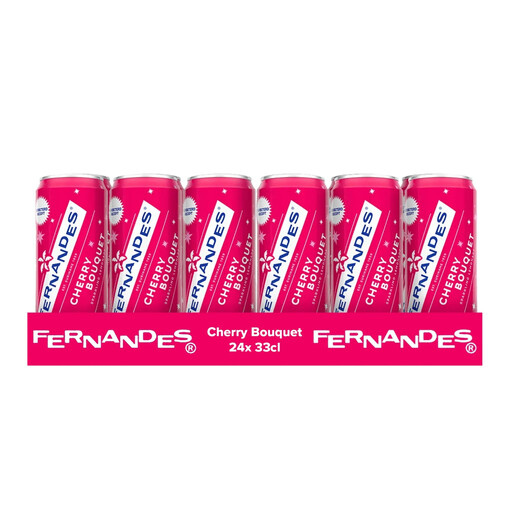
Why it suits this profile: A practical supply for parties, sharing or an office where chilled cans are served regularly.
The format is clear from the outset: 24 cans of 330 ml. This lets you estimate the total volume and storage requirements before ordering.
Cherry Bouquet flavour, carbonated, 24 x 330 ml, with 42 kcal and 10.2 grams of sugar per 100 ml according to the specification.
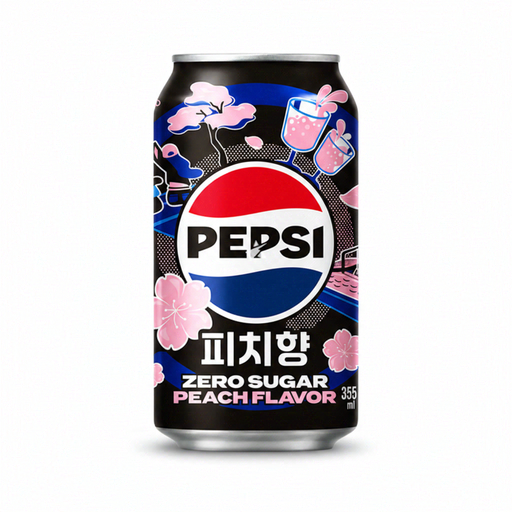
Why it suits this profile: For anyone who wants to combine a familiar cola flavour with a fruity peach taste from the international drinks market.
The product information lists both the sweeteners and the nutritional value. This means the “no sugar” claim can be compared with the full ingredients.
Peach flavour, carbonated, 350 ml and, according to the product details, 0 grams of sugar and 0 kcal per 100 ml.
We have put together a complete, up-to-date list of products that fully meet these strict selection criteria and the applicable European safety regulations.
First, check the volume per pack, the number of items, the nutritional value and the ingredients. Also check the delivery time, storage space and shelf-life information. This helps prevent a large pack from being unsuitable for your consumption.
No. Fruit drink may contain water, sugar, flavourings, dairy ingredients or a smaller percentage of fruit juice. Fruit juice may be made from concentrate, while a product labelled “100%” has different composition criteria. Always read the product name and ingredients list together.
Follow the instructions on the packaging. Many opened drinks should be refrigerated and consumed within the stated period. Seal a bottle or carton properly and do not use the product if the seal is damaged when it arrives.
