
Vandaag of morgen in huis

Kwaliteit gegarandeerd

Welkomstaanbiedingen ontgrendelen: GRATIS bezorging | Tot 80% korting | Gratis 30 dagen JoyPlus-proefperiode
Download de app
Buying soft drinks seems simple, but online it is easy to lose sight of the differences between cans and eye-catching flavours. Whether you want to order soft drinks online for home, a party, the office or catering, packaging, ingredients and when you plan to drink them are the key considerations.
Marketing copy can also give a misleading impression. For example, a product labelled “zero sugar” often contains sweeteners and does not automatically mean it is completely caffeine-free. A large pack may seem better value, but it might not fit in your cupboard or suit your consumption. With international soft drinks, the information on the website may also differ from the current label.
Use these practical selection criteria to compare cola, fruity soft drinks, Japanese ramune and energy drinks based on verifiable product information.
Zero sugar soft drinks and sugar-free soft drinks contain no sugar according to the product information, but they may still contain caffeine. Pepsi Zero Sugar, for example, contains caffeine. Some fruit- or cream-flavoured varieties are also made with sweeteners while still containing caffeine.
If you want to avoid caffeine, do not just look for “zero”; check the ingredients list and product description too. Coca-Cola Zero Sugar Caffeine Free explicitly states that this version contains neither sugar nor caffeine.
A soft drink multipack containing 24 x 330 ml adds up to 7.92 litres in total. That is useful for a party, office or household with several soft drink drinkers, but less practical if storage space is limited. A tray also takes up more room than individual bottles or smaller packs.
Compare the volume per can, the total volume and the shelf-life information. A 12-pack may be more suitable if you want to try a new flavour first.
International drinks such as Japanese soft drinks, ramune and Korean fruit drinks stand out because of their packaging and flavour names. However, sugar content, sweeteners and serving instructions can vary from one product to another. HATA Ramune, for example, states that the bottle should be refrigerated after opening and used within the specified period.
Always read the label when buying products from Japan, South Korea, Mexico and the Caribbean. The product packaging may contain more or different information than the online description.
Look out for these details:
A tray of 24 x 330 ml soft drinks is a logical choice for a party, workplace canteen or cupboard. For a first taste of a new fruity soft drink, a smaller multipack is often easier to manage.
Compare the nutritional values per 100 ml, not just per pack. According to the product details, Fernandes Green Punch contains 10.2 grams of sugar per 100 ml and 42 kcal. Coca-Cola Zero Sugar Caffeine Free lists 0 grams of sugar and 0.3 kcal per 100 ml. Pepsi Zero Sugar also lists 0 grams of sugar and 0.4 kcal per 100 ml.
“Sugar-free” tells you nothing about the sweeteners used. Check whether aspartame, acesulfame-K, sucralose or other sweeteners are listed. Products containing aspartame also state that they contain a source of phenylalanine. If you have an allergy or intolerance, it is sensible to check the current label.
For energy drinks, the caffeine content is an important purchasing criterion. Ghost Energy Cherry Limeade lists 200 mg of caffeine per can and is intended for people aged 18 and over. The product information recommends a maximum of one can per day and warns against combining it with other sources of caffeine.
Cola can also contain caffeine. So, when buying cola, check the ingredients list if you want to limit your caffeine intake. For later in the day, a cola that is explicitly caffeine-free may be a better choice than a standard zero-sugar variety.
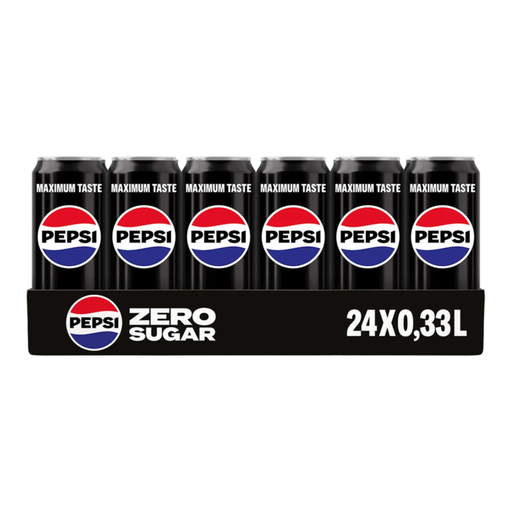
Why it suits this profile: A 24-pack with 330 ml per can is practical if you serve cola regularly and do not want to keep ordering individual cans.
The volume, number of cans and nutritional values are clearly stated. According to the product information, this variety contains no sugar but does contain caffeine.
24 cans of 330 ml; 0 grams of sugar per 100 ml according to the product details.

Why it suits this profile: Ideal if you are looking for a classic cola flavour without sugar or caffeine, for example at different times of day.
The “Caffeine Free” label helps prevent you from choosing a zero-sugar variety that contains caffeine. Always check the packaging before consuming it.
24 x 330 ml; 0 grams of sugar and 0 grams of carbohydrates per 100 ml according to the product description; caffeine-free.
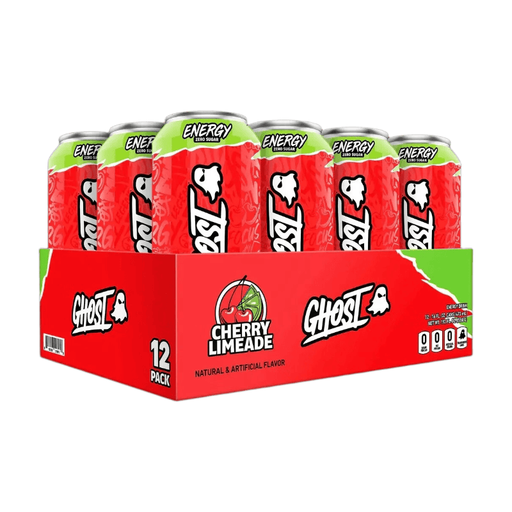
Why it suits this profile: Designed for adult users looking for a sugar-free energy drink who want to assess the caffeine content in advance.
The product information states 200 mg of caffeine per can, a maximum of one can per day and a minimum age of 18.
12 x 500 ml; 0 grams of sugar and 10 kcal per can according to the product details; contains 200 mg of caffeine per can.
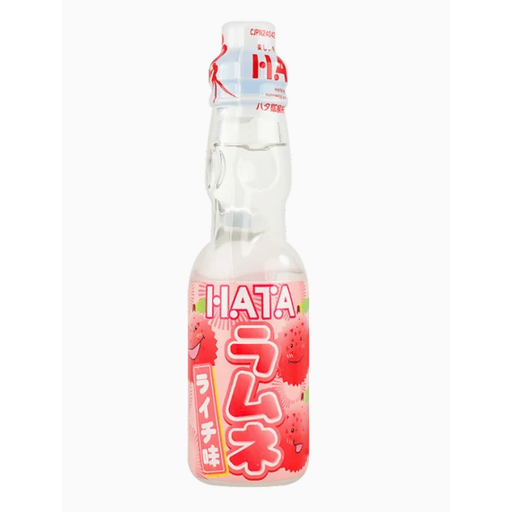
Why it suits this profile: A small Japanese soft drink for anyone looking for a sweet, fruity flavour and a different drinking experience with a meal, barbecue or tasting session.
The 200 ml volume is clearly stated. As nutritional information and packaging may differ, it is important to check the label before use.
200 ml per bottle; lychee flavour; carbonated; store in a cool place according to the product description.
We have put together a complete, up-to-date list of products that fully meet these strict selection criteria and the applicable European safety regulations.
That depends on the price per litre, delivery costs and how much you will actually use. Divide the total price by the total volume to compare products fairly. A 24-pack is practical for larger households, parties and offices, but may be unnecessary if you are not familiar with the flavour.
Check the date and store soft drinks according to the product information: usually in a cool, dry place away from direct sunlight. An unopened can or bottle retains its carbonation better than an opened one. Once opened, the drink should generally be refrigerated and used within the specified period.
Check three things: sugar per 100 ml, sweeteners used and caffeine. Coca-Cola Zero Sugar and Pepsi Zero Sugar list no sugar in the nutritional information provided, but according to the ingredients list, Pepsi Zero Sugar does contain caffeine. If you want to avoid both, choose a product that explicitly states this, such as the caffeine-free Coca-Cola variety.
