
Vandaag of morgen in huis

Kwaliteit gegarandeerd

Welkomstaanbiedingen ontgrendelen: GRATIS bezorging | Tot 80% korting | Gratis 30 dagen JoyPlus-proefperiode
Download de app
Buying soft drinks online may seem straightforward, but product pages don’t always make it clear exactly what you’re ordering. A striking flavour name, for example, tells you little about the sugar content. A multipack may also look like good value, but leave you with a large supply at home that you won’t get through quickly.
As a Joybuy Product Recommendation Officer, I filter the key product information in a practical way. This helps you compare Asian drinks, iced tea, lemonade, energy drinks, hydration drinks and sparkling water using details you can check.
An exotic soft drink with yuzu, lychee, mango or lime may taste refreshing, but still contain sugar. So always check the nutritional information per 100 ml, not just per bottle or can. A 473 ml pack contains several times the amount shown on the label per 100 ml.
Also look out for the difference between:
Sugar-free soft drinks and energy drinks are often listed alongside each other. A product may contain 0 grams of sugar but still contain caffeine, taurine or other added ingredients. For energy drinks, the amount of caffeine per can matters more than the product name or the colour of the packaging.
There are extra considerations around drinks containing caffeine for children, pregnant women and women who are breastfeeding. Always check the warning on the packaging. For products with a high caffeine content, it’s sensible to follow the recommended usage information and avoid combining different sources of caffeine unnecessarily.
A multipack of soft drinks can be handy for a household, office or party. However, your flavour preferences, storage space and the product’s shelf life all matter. Check:
Asian drinks may taste different from familiar Dutch soft drinks. A smaller pack is a practical way to try one for the first time.
Compare the nutritional information per 100 ml. Traditional lemonade often contains sugar, while a zero-sugar version usually uses sweeteners. Neither option is automatically right for everyone; it depends on your taste and personal preference.
Examples from the range:
Always check the physical label when your order arrives. Product ingredients and packaging information may change.
For energy drinks, check the amount of caffeine per can or bottle. Red Bull, for example, lists 32 mg of caffeine per 100 ml. So a 250 ml pack contains a different total amount from a 500 ml can.
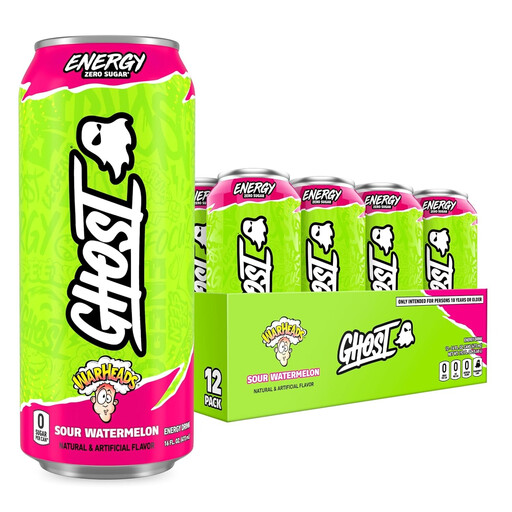
Ghost Energy Cherry Limeade lists 200 mg of caffeine per 473 ml can and is intended for adults. The recommended information on the product page also states that the product is not intended for anyone under 18. This is an energy drink, not an ordinary soft drink.
A hydration drink may contain different ingredients. According to its product description, Ghost Energy Hydration contains no sugar and no caffeine, and includes electrolytes. The product page classifies it as a food supplement, so read the directions for use and warnings carefully.
A 150 ml can is handy for a small serving, while a 500 ml bottle may be more suitable for taking with you. Check the storage instructions too. Many drinks should be kept chilled and out of direct sunlight. Product descriptions often recommend refrigerating drinks after opening and consuming them promptly.
For sparkling water and fizzy lemonade, keeping the packaging tightly closed helps prevent it from going flat. If you have limited storage space at home, a multipack of 24 cans may be less practical than six small bottles.
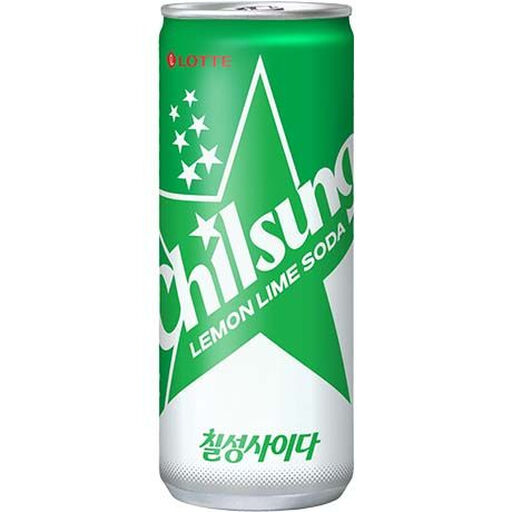
Why it suits this profile: The 250 ml size is a manageable way to try an Asian soft drink before committing to a large multipack.
The product information lists 10 g of sugar per 100 ml, so you can factor in the sweetness when making your choice.
Lemon and lime flavour, a compact serving and a clear ingredients list.
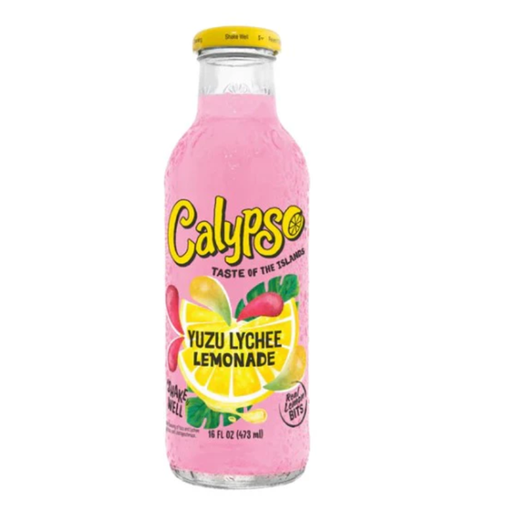
Why it suits this profile: According to its product description, this exotic soft drink combines yuzu and lychee for a distinctive flavour that’s different from standard lemonade.
The product page lists 11 g of sugar per 100 ml, so you can weigh up the sweet flavour alongside the nutritional information.
473 ml size, yuzu and lychee flavour, and clearly listed ingredients.
Why it suits this profile: This 12-pack of 500 ml bottles is aimed at adults who regularly want to take a sugar-free, caffeine-free hydration drink to work, the gym or on the go.
The product information lists no sugar and no caffeine. Before use, check the current packaging and supplement warnings.
500 ml per bottle, 12 bottles per pack and electrolytes, according to the product description.
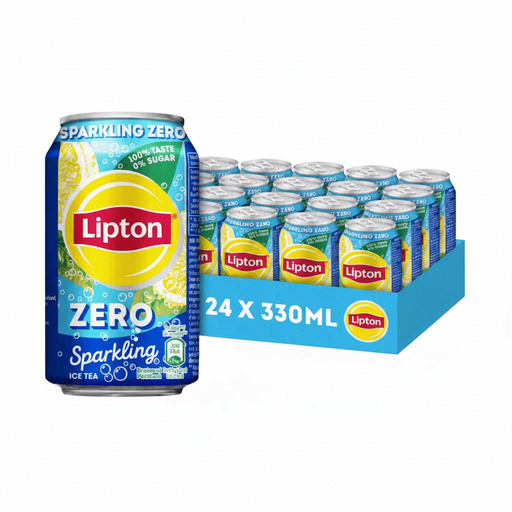
Why it suits this profile: The 330 ml cans are handy to keep stocked in the fridge, for example at home or in a small office.
The product description presents this version as zero sugar. Check the label for sweeteners and any caffeine.
24 cans, sparkling iced tea and a sugar-free version, according to the product information.
We’ve put together a complete, up-to-date list of products that meet these strict selection criteria and the applicable European safety regulations.
That depends on the price per litre, delivery costs and pack size. A multipack may lower the price per can, but only if you’ll actually drink them. So compare the total cost, not just the promotional price.
Store unopened drinks according to the instructions on the packaging: usually in a cool, dry place away from direct sunlight. Keep opened bottles or cans in the fridge and use them within the stated period. When your order arrives, check that the packaging isn’t damaged or bulging.
Check the nutritional information and ingredients list. Lipton Sparkling Zero Ice Tea and Want Want Jasmine Flavored Tea Drink are sold as sugar-free options. Charlie’s Sparkling Water Raspberry & Lime lists 0 grams of sugar per 100 ml. Always check the current label, as sweeteners and other ingredients can vary between products.
