
Vandaag of morgen in huis

Kwaliteit gegarandeerd

Welkomstaanbiedingen ontgrendelen: GRATIS bezorging | Tot 80% korting | Gratis 30 dagen JoyPlus-proefperiode
Download de app
Buying soft drinks seems straightforward, but online, packaging, flavours and nutritional values are often listed side by side without making the differences immediately clear. A 330 ml can, a 370 ml bottle or a tray of 24 will have a different price per litre and suit a different occasion.
Terms such as “zero”, “light”, “fruity” and “international flavour” do not tell the whole story either. If you want to order soft drinks online for home, a party, a business or the catering trade, it is worth checking three things first: the contents per pack, the ingredients and the total quantity.
A single bottle may sometimes appear cheaper than a multipack, but the price per litre can actually be higher. So calculate:
total contents = number of packs × contents per pack
For example, a 24 x 330 ml soft drink contains 7.92 litres. A tray of 12 x 355 ml contains 4.26 litres. Then compare the total price or price per litre, rather than just the price of the pack.
Sugar-free cola and other zero soft drinks often contain sweeteners. The product information for various cola and citrus drinks, for example, lists aspartame, acesulfame-K or sucralose. Products containing aspartame generally also carry a warning that they contain a source of phenylalanine.
If you want to avoid caffeine, you should not simply look for the word “cola”. Check the ingredients list and product details. According to the product description, Coca-Cola Zero Sugar Caffeine Free is offered without sugar and caffeine. Regular Coca-Cola Zero Sugar 24 x 330 ml, on the other hand, lists caffeine.
Japanese soft drinks, American variants and soft drinks from South Korea may differ from comparable Dutch products in terms of flavour, sweeteners, colourings and nutritional values. Product packaging may also change. Always check the current ingredients, allergen information, best-before date and storage advice on the label when your order arrives.
Small packs are convenient for a lunch, picnic or event where everyone gets their own can. A soft drink multipack is more practical for families, party organisers and catering businesses looking to stock up.
Look out for these formats:
A tray takes up space. Store cans in a cool, dry place, away from direct sunlight and strong odours. Keep opened soft drinks chilled and use them according to the instructions on the packaging.
Compare the nutritional value per 100 ml, as serving sizes vary between brands. The product information provided gives the following examples:
These figures are based on the relevant product descriptions; always check the label when your order arrives. “Zero” or “sugar-free” also says nothing about personal taste preferences: some consumers specifically prefer a classic, sweeter soft drink with a fruity flavour.
For a familiar cola flavour, Coca-Cola Zero Sugar and Coca-Cola Cherry are options worth comparing. If you are looking for a refreshing citrus flavour, consider Sprite Zero Sugar Lemon-Lime or Fanta Lemon Zero. For fruity and tropical soft drinks, Fernandes Green Punch, Fanta Pineapple, Bundaberg Passionfruit and Jarritos Mango are examples with different flavour profiles.
When it comes to caffeine, it is important to read the product details. The product description for Coca-Cola Cherry states that it contains caffeine. Coca-Cola Zero Sugar Caffeine Free specifically states that this variant is caffeine-free. Do not rely solely on the colour of the can or the name “zero”.

Why it suits this profile: A pack of six cans lets you try lychee soft drink without immediately buying a large supply.
The contents and nutritional information are clearly specified: 6 x 330 ml, 16 kcal and 3.5 g sugar per 100 ml according to the product description.
Lychee flavour, 330 ml per can and a manageable 6-pack. According to the product information, the drink contains sweeteners.
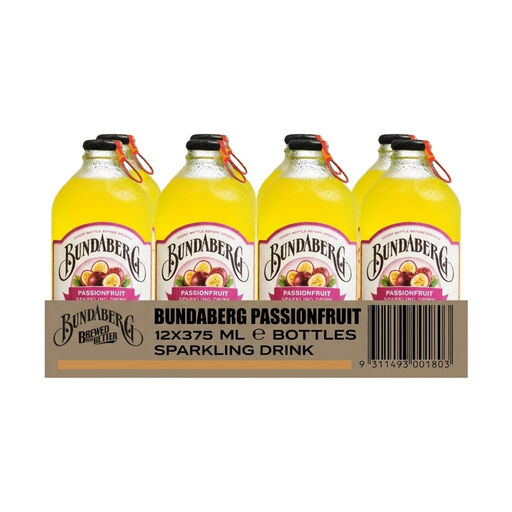
Why it suits this profile: An international fruit flavour in 375 ml bottles for anyone wanting to serve something different from standard cola or orangeade.
The product information lists the bottle size, ingredients, storage instructions and nutritional value. This allows you to compare the format and sugar content in advance.
Passion fruit flavour, 12 x 375 ml and, according to the product information, 3.5% passion fruit juice from concentrate.

Why it suits this profile: The tray of 24 cans is designed for regular use at home, in a canteen or at an event.
The name and product description distinguish the caffeine-free variant from regular zero cola. However, always check the label when your order arrives.
24 x 330 ml, sugar-free and caffeine-free according to the product information, with 0 g sugar per 100 ml.
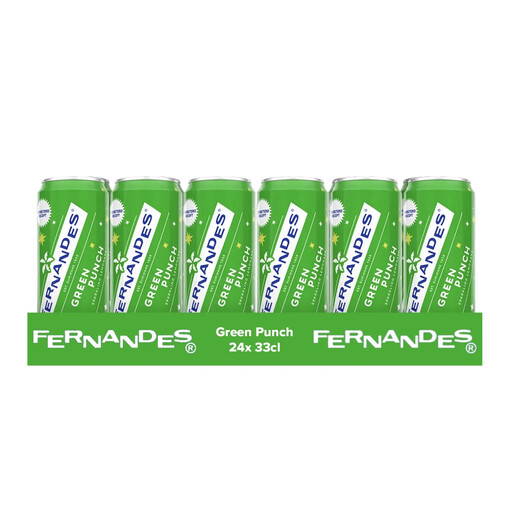
Why it suits this profile: A tray with a tropical fruit flavour offers a familiar can size and plenty of stock for groups.
The tray contains 24 individual 330 ml cans. The product information also clearly states the sugar, sweeteners and nutritional value.
Green Punch flavour, 24 x 330 ml and best served chilled. According to the product information, this variant contains 10.2 g sugar per 100 ml.
We have put together a complete, up-to-date list of products that fully meet these strict selection criteria and the applicable European safety regulations.
That depends on the price, packaging and delivery costs. A multipack often reduces the price per can, but always check the price per litre. For a small order, a 6-pack or single bottle may be more practical than a tray of 24.
Store unopened soft drinks in a cool, dry place, away from direct sunlight and excessive heat. Check the best-before date on the packaging. Once opened, soft drinks should generally be kept chilled and consumed within the stated period.
Look at the ingredients and the specific product name. According to the product description, Coca-Cola Zero Sugar Caffeine Free is offered without caffeine. Other colas, including variants with plant extracts or cola flavouring, may contain caffeine. Always check the current label before serving the drink.
