
Vandaag of morgen in huis

Kwaliteit gegarandeerd

Welkomstaanbiedingen ontgrendelen: GRATIS bezorging | Tot 80% korting | Gratis 30 dagen JoyPlus-proefperiode
Download de app
Buying soft drinks seems straightforward, but packaging, ingredients and nutritional values can vary considerably online. An attractive price per can does not always indicate whether a product is suitable for your needs. Whether you are buying for home, the office, a party or when you are out and about, your requirements will differ.
The main pitfalls when ordering soft drinks online are:
By comparing the nutritional value per 100 ml, the ingredients list and the number of individual packs, you can make a much more informed choice.
A 330 ml can is practical for a party, canteen or chilled stock. Smaller 200 or 250 ml packs may be more convenient for children or for a portion on the go. A 24-pack of soft drinks provides plenty of stock, but also takes up more space and is less suitable if you want to try a flavour first.
When you see a soft drink offer, always calculate:
A 24-pack of cola makes sense for an office or party, while a pack of six cans of an Asian drink can be an easy way to try a new flavour.
Do not just look at terms such as “light”, “zero” or “refreshing”. Check the table per 100 ml and multiply the figures by the volume of the pack. According to the product information, for example, Coca-Cola Original Taste contains 10.6 grams of sugar per 100 ml. A 330 ml can therefore contains approximately 35 grams of sugar.
Sugar is often listed as 0 grams in a zero-sugar soft drink, but the product may still contain sweeteners. Coca-Cola Zero Sugar Caffeine Free lists aspartame and acesulfame-K and, according to the product information, contains no caffeine. Coca-Cola Zero Sugar also contains sweeteners and states that it contains a source of phenylalanine. If you have specific dietary requirements, always check the label.
Energy drinks require extra care. According to the supplied product specifications, Slammers Energy Drink contains 0.032% caffeine and 0.03% taurine. Monster Energy Ultra White is sugar-free, contains 0.03% caffeine and comes in 500 ml cans. These drinks are not intended for children; Slammers’ product information also advises against the product being consumed by pregnant women, breastfeeding women and people with certain medical conditions. Always follow the warnings on the packaging.
When buying fruit drinks and fruit juice, check how much fruit juice or purée has actually been added. For example, Maaza Guava Fruit Drink states that it contains 16% guava juice from concentrate. According to the product specification, Capri-Sun Orange contains 10% concentrated fruit juice, including orange and lemon juice.
Ingredients and nutritional values in Asian drinks may differ from familiar Dutch varieties. LOTTE Milkis Melon contains, among other ingredients, skimmed milk powder and soya. Mogu Mogu Lychee contains nata de coco and sugar. If you have allergies, always check the current packaging, particularly when the online product information is limited.
As a general rule, store unopened drinks in a cool, dry place away from direct sunlight. Once opened, many products should be refrigerated and consumed within the period stated on the label. Best-before information is shown on the packaging and may vary between batches.
The choices below are based on verifiable information such as volume, flavour type, sugar content, caffeine and pack size.
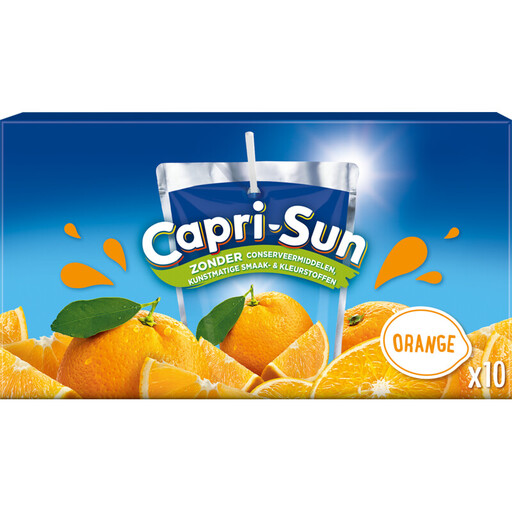
Why it suits this profile: The pack of 10 x 200 ml pouches is easy to manage for days out, party treats or families looking for smaller portions.
The smaller multipack reduces the risk of ending up with too much stock. The product specification states 4.4 grams of sugar per 100 ml; compare this with your intended use.
10 x 200 ml; contains fruit juice and mineral water according to the product information; no artificial colourings or preservatives listed.

Why it suits this profile: A reliable stock of cola flavour for serving sugar-free and caffeine-free drinks at home or in the office.
Both the product name and product specification state that it contains no sugar and is caffeine-free. This makes it easier to distinguish from standard cola when comparing products.
24 x 330 ml cans; 0 grams of sugar and 0.3 kcal per 100 ml according to the product information; no caffeine listed.

Why it suits this profile: The 500 ml cans are intended for people looking for a larger serving of energy drink and who check the caffeine content beforehand.
“Sugar-free” is not presented as a health claim: the ingredients list includes sweeteners, caffeine and taurine, among other ingredients. Always check the warnings on the can.
12 x 500 ml; 0 grams of sugar and 12 kcal per 100 ml according to the product information; citrus profile with lemon and grapefruit.
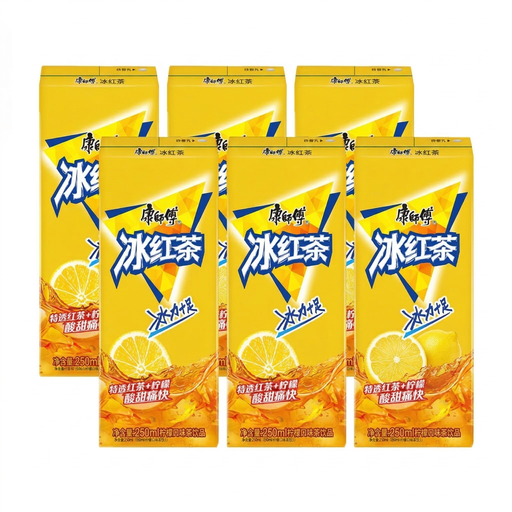
Why it suits this profile: A compact pack for anyone wanting to try lemon black tea without immediately buying a large soft drink multipack.
The contents are clearly specified as 6 x 250 ml. The ingredients information also lists 1% black tea and 0.1% lemon concentrate.
6 x 250 ml cans; lemon black tea; 36 kcal and 8 grams of sugar per 100 ml according to the product information.
We have put together a complete, up-to-date list of products that fully meet these strict selection criteria and the applicable European safety regulations.
A 24-pack often has a lower price per can, but check the total price, volume in litres and best-before date. A large pack can be convenient for a one-off party. If you are trying a new flavour, a smaller multipack is a less risky choice financially.
This varies by product. Coca-Cola Zero Sugar, Coca-Cola Zero Sugar Caffeine Free, Monster Energy Ultra White and some Pepsi varieties state 0 grams of sugar per 100 ml. However, they may still contain sweeteners, caffeine or other ingredients. Always check the current nutritional information table and ingredients list.
Store unopened cans and pouches in a cool, dry place away from direct sunlight. Refrigerate opened drinks and follow the instructions on the label. Do not place heavy boxes somewhere warm, such as directly next to a radiator.
