
Vandaag of morgen in huis

Kwaliteit gegarandeerd

Welkomstaanbiedingen ontgrendelen: GRATIS bezorging | Tot 80% korting | Gratis 30 dagen JoyPlus-proefperiode
Download de app
Buying soft drinks online is convenient when you need to stock up for home, a party, the office or a hospitality business. You can quickly compare different brands and pack sizes, but a large tray isn’t automatically the best-value choice. Flavour, nutritional values, volume and shelf life can vary considerably from one product to another.
Use this practical guide to focus on the information that really matters. That way, you can avoid paying too much for a pack that doesn’t suit your needs.
A product labelled zero, sugar-free or no added sugar may still contain sweeteners. That isn’t necessarily a problem, but it’s worth checking the ingredients list. Also check the nutritional information per 100 ml, rather than relying only on the front of the pack.
For example, sugar-free cola often lists 0 grams of sugar and 0 kcal per 100 ml, while still containing sweeteners. A fruit drink labelled “no added sugar” may contain sugars that occur naturally in the fruit.
A tray of 24 cans may seem like good value, but always compare the price per litre. A pack of 12 x 330 ml contains 3.96 litres; 24 x 330 ml comes to 7.92 litres. A smaller pack may be more practical if you want to try different flavours or have limited storage space.
Also consider the type of packaging. 330 ml soft drink cans are ideal for serving individual portions, while larger bottles may use less packaging per litre. For an event, however, cans are often easier to hand out.
Words such as “refreshing”, “natural” or “healthy” don’t tell you much about the ingredients on their own. According to a brand’s own information, for example, a drink may contain natural ingredients or added vitamin C. Check the specific product details: ingredients, nutritional information, volume, allergens and storage advice.
First, check the number of items and the volume per can. 330 ml soft drinks are a popular size for home, on the go and gatherings. A tray of 24 cans is a good fit for a larger group, while 6 or 12 cans may be more convenient for a household that likes to alternate between different varieties.
Also check:
Compare the following per 100 ml:
A low-calorie soft drink generally contains less energy per 100 ml than a regular version, but the exact threshold and ingredients vary by product. For a fruit drink, the percentage of fruit juice is relevant. For kombucha and water kefir, also check information about fermentation, cultures and any sweeteners.
Ingredients are listed in descending order by quantity. If you have an allergy or intolerance, check the list even if the product information says it doesn’t contain any of the 14 main EU allergens. Labels can change, so always refer to the packaging you receive.
For beer, barley is particularly important. Asahi Super Dry and Singha, for example, list grains that contain gluten. Alcoholic drinks are intended for people aged 18 and over only. Don’t drink if you’re planning to drive.
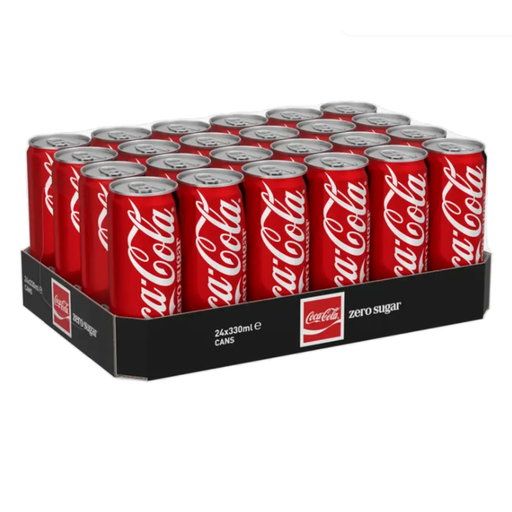
Why it suits this need: A familiar cola flavour in a tray of 24 cans, ideal for home, visitors or a small event.
The product information lists 0 grams of sugar and 0 kcal per 100 ml. Check the sweeteners and the current packaging before ordering.
24 x 330 ml; easy-to-chill cans that are simple to store and serve.
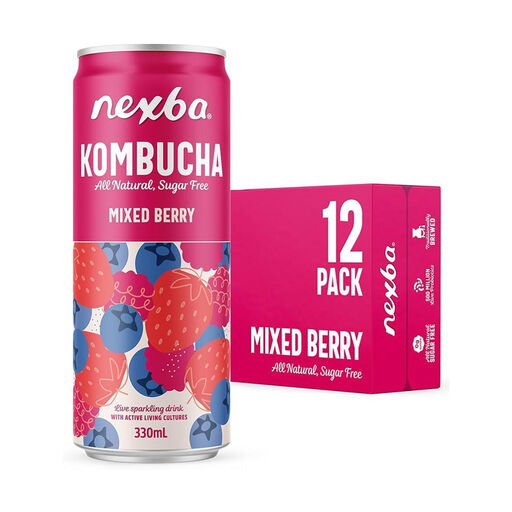
Why it suits this need: For anyone looking for an alternative to standard soft drinks, with a berry flavour and information about fermentation on the label.
The product details list 2 kcal and 0 grams of sugar per 100 ml. The ingredients list includes fermented kombucha and sweeteners.
12 x 330 ml; according to the product information, free from the 14 main EU allergens.
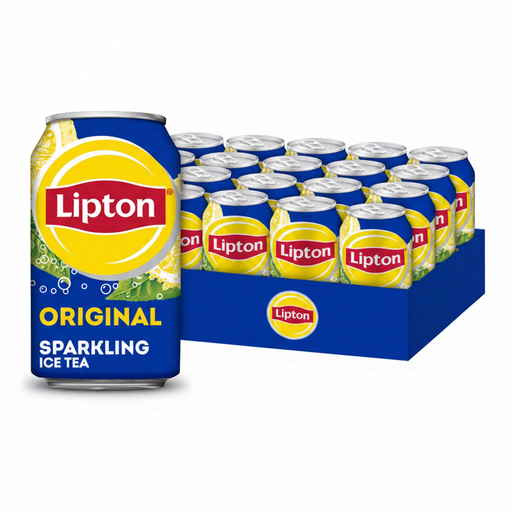
Why it suits this need: A practical choice for meetings, hospitality businesses or parties where you need plenty of individual portions.
The tray contains 24 identical 330 ml cans. The product information describes a sparkling iced tea with lemon juice and 0 grams of sugar per 100 ml.
A generous stock; serve chilled; convenient size for handing out individual portions.
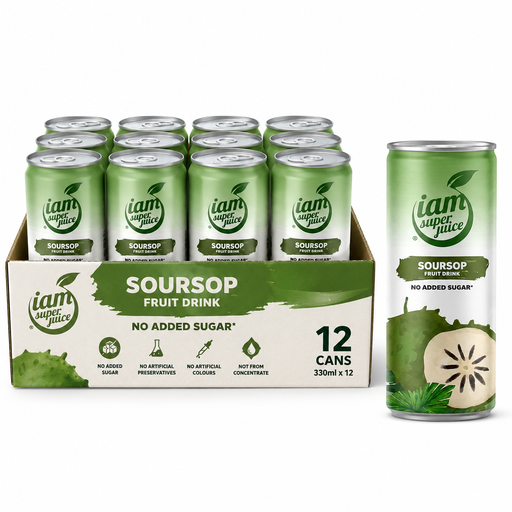
Why it suits this need: For anyone who wants to try a fruit drink with a soursop or guanabana flavour instead of cola or standard iced tea.
The product information lists 18 kcal per 100 ml and around 59 kcal per 330 ml can. Check the current ingredients on the label you receive.
12 x 330 ml; tropical soursop flavour; described as having no added sugar.
We’ve put together a full, up-to-date list of products that meet these strict selection criteria and the applicable European safety regulations.
For a varied stock, you can combine soft drinks with iced tea cans, fruit drinks and tropical soft drinks. Nexba Water Kefir Strawberry & Pear is an option if you’re looking for a sugar-free fermented drink; the product details list 2 kcal per 100 ml. Arizona Iced Tea Peach and Lipton Ice Tea Peach are good choices if you prefer a sweeter tea flavour.
If you’re thinking of buying beer online, check the alcohol content, bottle or can size and allergens. According to the product information, Asahi Super Dry contains 5,2% alcohol, while Singha Premium Thai Lager lists 5,0%. Serve alcohol to adults only and encourage responsible drinking.
It can be, but compare the price per litre and check the delivery costs. A tray is especially practical when you need a larger quantity of one particular flavour. If you want more variety, a smaller multipack may be a better fit financially and practically.
Unopened soft drinks can generally be kept until the date shown on the packaging, provided you follow the storage instructions. Store cans in a cool, dry place away from direct sunlight. Once opened, a drink should usually be refrigerated and consumed within the period stated.
Choose 330 ml cans if you want to hand out portions easily. For example, you could offer sugar-free cola, regular soft drinks, iced tea and a fruit drink. Check the number of guests, the amount of fridge space available and whether you’ll also need non-alcoholic options in advance.
