
Vandaag of morgen in huis

Kwaliteit gegarandeerd

Welkomstaanbiedingen ontgrendelen: GRATIS bezorging | Tot 80% korting | Gratis 30 dagen JoyPlus-proefperiode
Download de app
Buying soft drinks seems straightforward, but online you will often find major differences in contents, sugar levels, packaging and occasions for use. An eye-catching flavour name does not always tell you how much fruit is actually in the drink. A multipack may also seem like good value, when in reality you are mainly buying a large quantity of a drink that may not suit your taste.
So watch out for these three common pitfalls:
Compare the nutritional values per 100 ml. This makes small cans, large bottles and multipacks easier to compare. Also look at the ingredients in descending order. If sugar appears near the top of the list, it makes up a significant part of the recipe.
For an exotic fruit drink, the percentage of juice or purée is relevant. According to the product information, Maaza Guava contains 16% guava juice from concentrate. According to the listed ingredients, Foco Roasted Coconut Juice consists of 80% roasted coconut water, supplemented with water, coconut flesh, sugar and citric acid. This gives you a clearer picture than the product name alone.
A product labelled “sugar-free” may contain sweeteners. According to the product information, Wicky Mango contains less than 0.1 grams of sugar per 100 ml, but also contains sucralose and acesulfame-K. Coca-Cola Zero Sugar likewise lists sweeteners and a source of phenylalanine. If this is something you need to consider, it is worth checking the label before buying.
Large packs are often convenient for home use, but drinks generally need to be refrigerated after opening and used within the period stated on the packaging. Smaller packs are better suited to a bag, lunchbox or fridge door.
When ordering online, also check whether the packaging consists of cans, bottles, pouches or cartons. This determines how easy the drink is to chill, carry and store.
With ordinary soft drinks, the main considerations are flavour, sugar and volume. With energy drinks, the ingredients list is particularly important. According to the product information, Monster Energy Ultra White contains 0.03% caffeine, taurine, guarana extract and sweeteners. Slammers lists 0.032% caffeine and sugar. These drinks are therefore not the same as a standard fruit drink or cola.
Also check the allergen information. According to the product details, Milkis Melon and Milkis Strawberry contain milk and soya. Taksi Tropical contains milk derivatives. A product free from the 14 main EU allergens is not automatically suitable for every individual allergy; if in doubt, always read the current label.
The information on a product page may differ from the packaging. So before consuming the product, check the ingredients, warnings, nutritional values, best-before date and storage instructions on the item delivered.
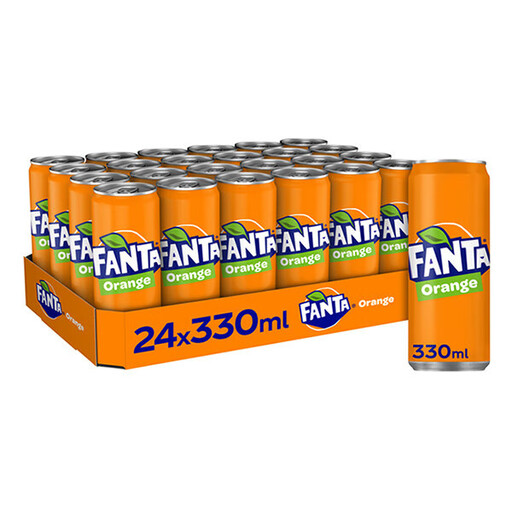
Why it suits this profile: The tray of 24 330 ml cans is suitable for families, visitors and keeping a supply at home. The orange flavour is familiar and easy to serve.
The packaging and serving size are clearly stated. The product information lists 5.6 grams of sugar per 100 ml, so you do not have to rely on the flavour name alone.
24 x 330 ml; orange flavour; cans can be served individually.
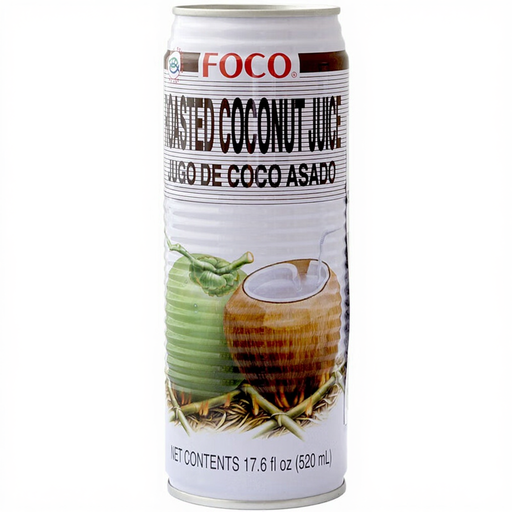
Why it suits this profile: For fans of Asian soft drinks and a distinctive coconut profile, this bottle is a focused choice for enjoying at home or with a meal.
The coconut content and ingredients are clearly stated: 80% roasted coconut water, water, coconut flesh, sugar and citric acid.
520 ml; contains coconut flesh; according to the product information, free from the 14 main EU allergens.

Why it suits this profile: This sugar-free soft drink is aimed at consumers specifically looking for a caffeinated drink in a larger multipack.
The product information lists both 0 grams of sugar per 100 ml and 0.03% caffeine. This allows you to assess sugar and stimulating ingredients separately.
12 x 500 ml; citrus flavour; sugar-free according to the stated nutritional values.
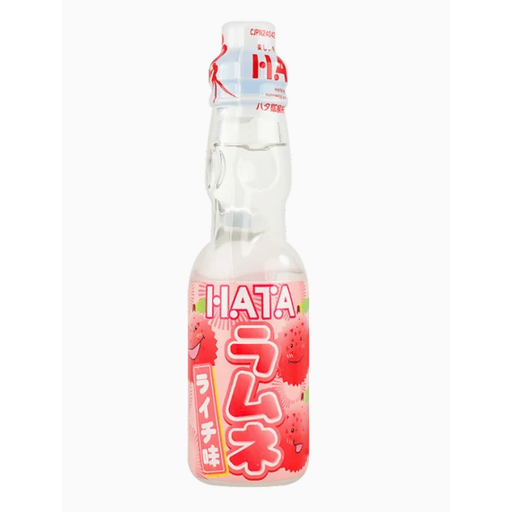
Why it suits this profile: The 200 ml bottle is ideal for a small drinking occasion, an Asian meal or a tasting session with different flavours.
The flavour and volume are specifically described as lychee and 200 ml. The ingredients list includes carbonated water, sugar and lychee flavouring, among other ingredients.
200 ml; carbonated; Japanese lychee flavour.
We have put together a complete, up-to-date list of products that fully meet these strict selection criteria and the applicable European safety regulations.
If you want to buy a fruit drink, you could also consider Maaza Guava 330 ml, containing 16% guava juice from concentrate, or Taksi Tropical Fruit 1.5 litres, a drink made with fruit concentrate and milk derivatives. For a drink with pieces, Mogu Mogu Lychee and Mogu Mogu Pineapple are options containing nata de coco according to the product information.
For Korean soft drinks, LOTTE Milkis Melon and LOTTE Milkis Strawberry are distinctive choices. Both combine carbonation with milk powder and flavourings; according to the product details, they contain milk and soya. If you prefer a more classic flavour, you could consider a cola multipack or Dr. Pepper Cream Soda. In either case, check the sugar and caffeine content on the current label.
A multipack may work out cheaper per can and is handy for stocking up or hosting a party. However, you pay for a larger quantity all at once. Compare the price per litre and choose a flavour you drink regularly.
Check both the nutritional values and the ingredients list. According to the product information, MONSTER ENERGY Ultra White and Coca-Cola Zero Sugar list 0 grams of sugar per 100 ml. Wicky Mango lists less than 0.1 grams of sugar per 100 ml. These products may still contain sweeteners.
Store opened drinks according to the label, usually sealed in the fridge, and consume them within the stated period. Unopened products should generally be kept somewhere cool and dry, away from direct sunlight. Always check the best-before date and the full packaging when your order arrives.
