
Vandaag of morgen in huis

Kwaliteit gegarandeerd

Welkomstaanbiedingen ontgrendelen: GRATIS bezorging | Tot 80% korting | Gratis 30 dagen JoyPlus-proefperiode
Download de app
Buying soft drinks seems straightforward – until you have to choose between lemonade, fizzy drinks, fruit juice drinks, cordial and international beverages. A striking label doesn’t always tell you about the fruit juice content, sugar level or fizz. What’s more, a small pack can work out more expensive per glass than a large bottle or a bottle of cordial.
As Joybuy’s Product Recommendation Officer, I focus on the information you can check on the label and in the product description. That way, you won’t rely solely on marketing claims.
Words like citrus, yuzu, lychee or blood orange often describe the flavour direction. However, the amount of fruit juice can vary significantly. According to the product information, Sanpellegrino Limonata contains 11% lemon juice from concentrate, while g'woon Clear Lemon contains 0.01% lemon juice from concentrate according to the ingredients list. Both are citrus soft drinks, but the composition is clearly different.
A zero sugar soft drink may contain little or no sugar, but it can still contain sweeteners. So check the full nutritional information table and ingredients list. For example, the product information for Sprite Zero Sugar Lemon-Lime lists sweeteners such as acesulfame-K and aspartame, along with a warning that the product contains a source of phenylalanine.
A 330 ml bottle is handy for individual use, but for a birthday party or a family, a 1.5 litre pack may make more sense. Cordial works differently: according to the product description, one bottle of Raak can yield approximately 30 glasses of 200 ml when diluted as recommended. So compare the price per litre or per glass, not just the price per pack.
Check the nutritional information per 100 ml. This makes different pack sizes comparable. Here are a few examples from the products on offer:
“Sugar-free” and “no added sugar” are not the same thing. Also read whether a product contains fruit juice, sugar, glucose syrup, sweeteners or a combination of these.
A fizzy soft drink is ideal if you want to serve a chilled drink straight away. Look for terms like carbon dioxide or carbonation in the ingredients list. A fresh lemon-lime drink can work well with a meal, while bitter lemon has a distinct bitter accent thanks to quinine flavouring.
Would you rather control the strength yourself? Then choose a squash or cordial. Raak Grenadine Lemonade recommends a ratio of 1 part cordial to 7 parts water. Use sparkling water to make a fizzy version. Cordial is therefore practical for families, but you do need to mix it yourself and have chilled still or sparkling water on hand.
Small cans and bottles are handy for on the go or for parties where everyone gets their own portion. A 1.5 litre bottle is better suited to serving several glasses at home. After opening, pay attention to the storage instructions: many soft drinks need to be kept chilled and used within the stated period.
With international soft drinks, it’s especially wise to check the product information and label. The packaging can vary from market to market. Look out for allergens, sweeteners, caffeine, milk ingredients and the best-before date. An Asian drink like Caffe Bene Honey Grapefruit Ade, for example, comes from South Korea and is supplied in a multipack of 10 bottles of 190 ml. That size is ideal for sharing or for keeping several portions in stock.
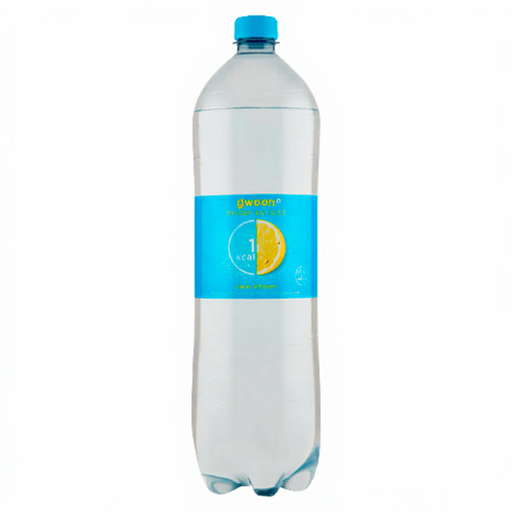
Why this fits the profile: A large bottle for home use, with a light lemon-lime flavour and, according to the product information, 0 g sugar per 100 ml.
The product information lists both the nutritional values and the sweeteners used. So you don’t have to rely solely on the term “light”.
1.5 litre capacity; carbonated; 1 kcal and 0 g sugar per 100 ml according to the product data.
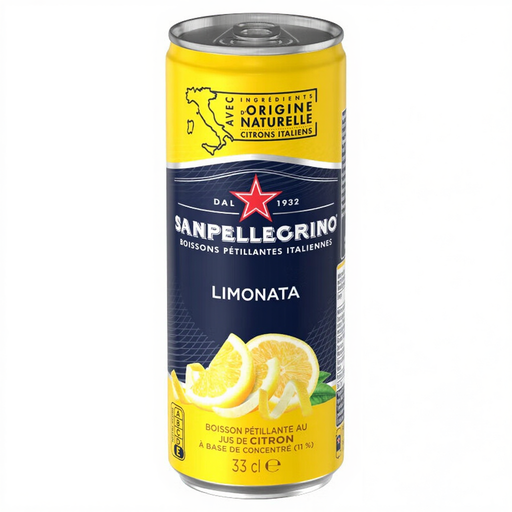
Why this fits the profile: An individual citrus soft drink for those who value a distinct lemon flavour and a compact serving size.
The product description specifically states 11% lemon juice from concentrate and 35 kcal per 100 ml. That gives you more certainty than just a fruit image on the label.
330 ml per can; 11% lemon juice from concentrate; serve chilled at 6–8 °C.
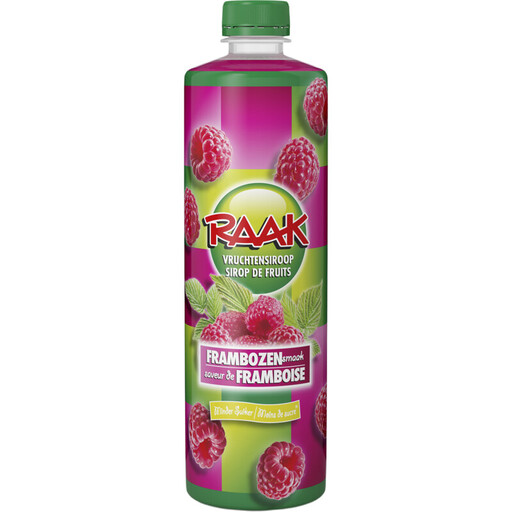
Why this fits the profile: Handy for families, parties and occasions when you want to pour several glasses from one bottle.
The product description states the dilution ratio and the estimated number of glasses. This helps you better estimate the cost per glass.
750 ml cordial; approximately 30 glasses of 200 ml; can be mixed with still or sparkling water.
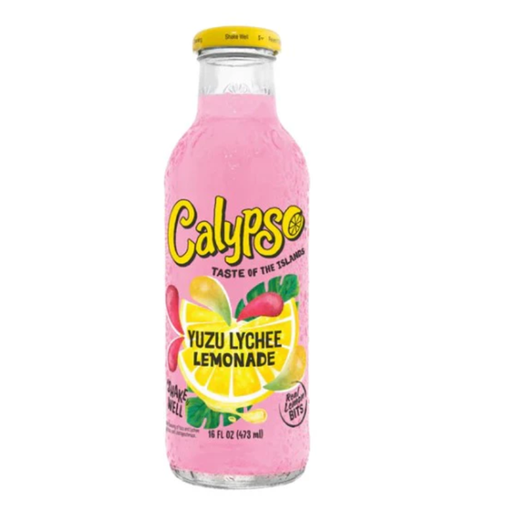
Why this fits the profile: An American lemonade with yuzu, lychee and lemon for those looking for a different flavour rather than a standard lemon-lime drink.
The product information lists the flavour combination, ingredients and nutritional values. Shaking before use is explicitly stated.
473 ml capacity; combination of yuzu, lychee and lemon; 46 kcal and 11 g sugar per 100 ml.
We’ve put together a full, up-to-date list of products that fully meet these strict selection criteria and comply with current European safety regulations.
This varies from product to product. Among the available product information, g'woon Clear Lemon states 0 g sugar per 100 ml. London Bitter Lemon states 3.4 g sugar per 100 ml. Always check the current nutritional information table and also look at which sweeteners have been added.
Cordial can work out cheaper per glass when you use the recommended mixing ratio. Raak cordial states approximately 30 glasses from one 750 ml bottle. The final cost depends on the bottle price, the amount of still or sparkling water and the desired strength.
Seal the bottle tightly and store it according to the instructions on the packaging, usually chilled and out of direct sunlight. Also check the stated period after opening. Cans cannot be resealed, so it’s best to drink the contents straight after opening.
