
Vandaag of morgen in huis

Kwaliteit gegarandeerd

Welkomstaanbiedingen ontgrendelen: GRATIS bezorging | Tot 80% korting | Gratis 30 dagen JoyPlus-proefperiode
Download de app
Buying soft drinks online seems straightforward. Yet you can easily end up paying too much for a small pack, choosing a drink with more sugar than expected, or ordering a multipack that doesn't suit your needs. What's more, marketing terms like "vitamins", "natural" and "sugar-free" don't always tell the full story.
As a Joybuy Product Recommendation Officer, I filter the range based on verifiable information. Here's how to compare soft drinks, energy drinks, fruit drinks and other beverages in a practical way.
A fruit drink may only contain a small percentage of fruit. For example, Capri-Sun Multivitamin states 10% fruit, whereas DİMES Apricot Drink contains more than 40% apricot puree according to the product information. These are different product types with distinct flavour profiles.
Always check:
So a drink with fruit on the label isn't automatically the same as pure fruit juice.
A sugar-free soft drink or energy drink can still contain caffeine. According to the product information, Slammers Sugar-Free Energy Drink contains 0 grams of sugar per 100 ml, but also caffeine, taurine and aspartame. Monster Energy Ultra White is also sugar-free and, according to the description, contains caffeine, taurine and various vitamins.
With energy drinks, always check the ingredients list and caffeine information. Also pay attention to warnings on the packaging. The Slammers product information advises against consumption for children and pregnant women, among others.
A soft drink multipack may seem like good value, but the content per pack varies significantly. Twelve 500 ml cans contain 6 litres in total, while 24 x 250 ml cans also contain 6 litres. So compare the price per litre, not just the price of the box.
A small can can be more convenient for lunch or on the go. A larger pack is better suited to a household, office or store cupboard. The lowest purchase price isn't always the most cost-effective choice per serving.
Use the nutritional information per 100 ml as a fixed basis for comparison. This stops a small serving from looking more favourable than a large one. Also check the total content per can, bottle or carton.
Some examples from the range:
These figures don't tell you which drink is right for everyone, but they do make the differences verifiable.
Check the ingredients if you want to avoid milk, soya, barley or certain sweeteners. Fristi contains milk. Supermalt contains barley malt and barley. Yakult Vitals Strawberry is based on soya. The product information for many other drinks doesn't list any of the 14 main EU allergens, but always check the current label before purchasing.
With malt drinks, pay particular attention to the distinction between alcohol-free and alcoholic. According to the product information supplied, Supermalt and Maltina are malt drinks without alcohol. Safari Senza, on the other hand, contains 14.9% alcohol and doesn't belong in a regular soft drink order for the whole family.
A multipack of cans is practical for stocking up, but takes up more space. Drink yoghurt and opened fruit drinks generally need to be stored in the fridge. Unopened cartons and cans are usually best kept in a cool, dry place away from direct sunlight. Always follow the exact information on the packaging.
For on the go, portions of 200 to 330 ml are handy. For a family, a 1-litre pack, such as DİMES Mango Drink or Fristi Red Fruit Yoghurt Drink, can be more convenient.

Why this suits the profile: The 200 ml portions are ideal for school, work or a family stock. The packaging states 10% fruit and 30 kcal per 100 ml.
The fruit percentage and nutritional information are clearly stated, so "multivitamin" isn't the only reason to buy.
10 x 200 ml, vegan and lactose-free according to the product information; free from artificial sweeteners, preservatives and colourings according to the description.
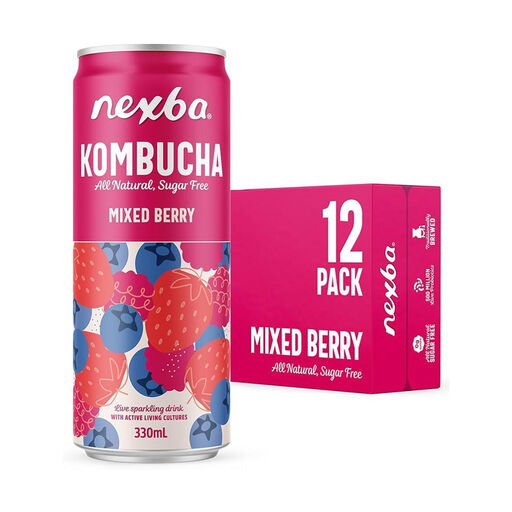
Why this suits the profile: For anyone looking for an alternative to classic soft drinks and who values a fermented drink with a berry flavour.
The product information states 0 grams of sugar and 2 kcal per 100 ml. Do check the current label on delivery.
12 x 330 ml, berry flavour, none of the 14 main EU allergens according to the product information.
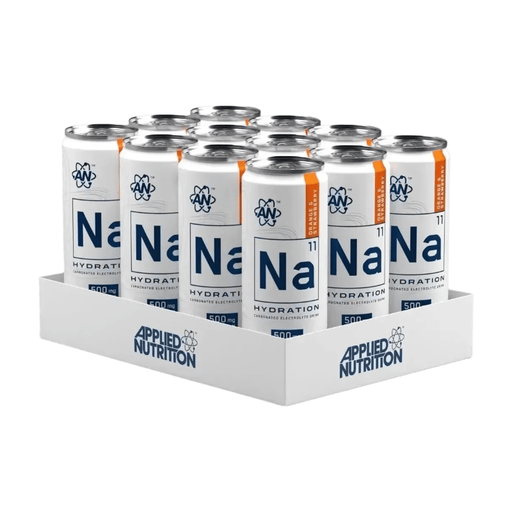
Why this suits the profile: Aimed at athletes who, according to the product description, want a drink with electrolytes during physical activity.
The composition states per can: 500 mg sodium, 56 mg magnesium and 0 grams of sugar. It's not a regular soft drink, so it suits a specific use occasion.
12 x 330 ml, 7 kcal per can, sugar-free, gluten-free and halal-certified according to the product information.
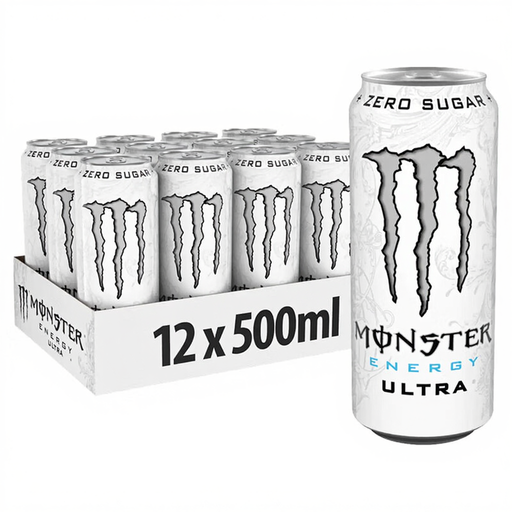
Why this suits the profile: The 500 ml cans and citrus flavour suit anyone looking for a larger portion for work, study or on the go.
"Sugar-free" isn't confused with caffeine-free here: the product information states caffeine, taurine and guarana. Check the label and usage warnings.
12 x 500 ml, sugar-free according to the product information and with a citrus flavour.
We've put together a full, up-to-date list of products that fully meet these strict selection criteria and current European safety regulations.
That depends on the price per litre, the content and the delivery costs. Divide the total price by the number of litres. Also check whether you'll use the full quantity in time, especially with drinks that need to be refrigerated after opening.
Fruit juice generally consists of fruit juice or concentrate, whereas fruit drink may also contain water, sugar, sweeteners or a lower fruit percentage. Check the label for the exact fruit percentage and nutritional information per 100 ml.
That depends on your total caffeine intake and personal circumstances. Read the caffeine content and warnings on the packaging. Energy drinks aren't intended as a general replacement for water or as an everyday drink choice. For children, pregnant women and people sensitive to caffeine, there are additional points to note on the label.
