
Vandaag of morgen in huis

Kwaliteit gegarandeerd

Welkomstaanbiedingen ontgrendelen: GRATIS bezorging | Tot 80% korting | Gratis 30 dagen JoyPlus-proefperiode
Download de app
Buying soft drinks seems simple enough – until you get home and realise the packaging is too big, the flavour isn't what you expected, or that the deal per litre wasn't actually such a bargain after all. Terms like "fruity", "light" and "natural" don't always give you the full picture of the product either.
With a few simple checks, you can compare soft drinks when ordering online much more effectively. Pay particular attention to the ingredients, the volume per pack, and when you plan to drink it. This makes it easier to choose between iced tea, cordial, fruit juice, fizzy drinks and exotic soft drinks.
A large bottle size often looks like good value, but a multi-pack of small cans can work out differently per litre. So always check:
A 1.5-litre bottle of soft drink is practical for home use and sharing at mealtimes. Small cans are more convenient for parties, on the go, or when you don't want to keep opened bottles for long.
Sugar-free soft drinks often contain sweeteners. So check the label for the ingredients and the nutritional information per 100 ml. For example, g'woon Ice Tea Peach Zero states 0.1 grams of sugar per 100 ml, with sucralose and acesulfame-K as sweeteners. That's quite different from a drink with no sweetening ingredients at all.
The difference can also be significant with cordial syrups. Raak Raspberry Lemonade states 0 grams of sugar per 100 ml and uses sweeteners. Other Raak flavours contain glucose-fructose syrup and, according to the product information, provide 6.7 grams of sugar per 100 ml.
"Fruity", "natural" or "exotic" doesn't automatically tell you how much fruit juice a drink contains. For instance, Orangina Regular states 12% juice from concentrate. Oasis Apple Cassis Raspberry contains, according to the product description, 12% fruit juice from concentrate, including apple, blackcurrant and raspberry.
So compare the concrete details: juice percentage, sugar content, sweeteners, carbonation and serving size. Claims about taste or product performance come from the brand's product description; they are not an independent guarantee.
For daily use with several people, a 1.5-litre bottle is usually a better fit. For a birthday or gathering, cans are easier to hand out. The KA Black Grape pack contains 24 cans of 330 ml. That works out at 7.92 litres in total.
A soft drink multi-pack is handy when you regularly use a particular flavour, but less suitable if you like to vary what you drink. Also check that you have enough storage space and that the packaging is easy to lift.
Use the nutritional information per 100 ml as your standard basis for comparison. Examples from the range:
A low sugar content isn't a judgement on taste or suitability for every situation. It simply helps you compare products on the same basis.
When ordering soft drinks online, read the product information and also check the label when you receive it. Relevant points include:
The products described do not list any of the 14 main EU allergens, but always check the packaging. Recipes and labels can change. Store opened soft drinks and iced tea in the fridge, tightly sealed, according to the instructions.
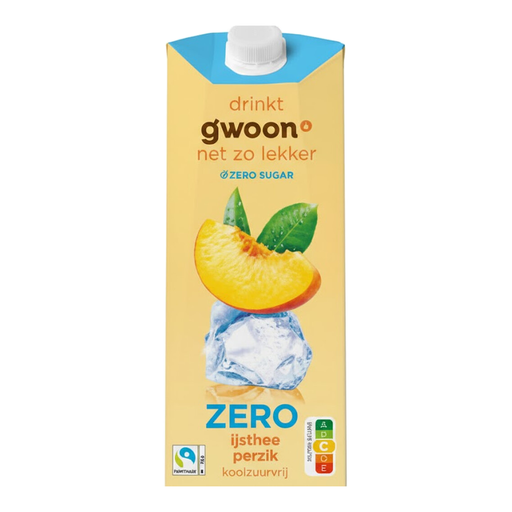
Why this fits the profile: The 1.5-litre bottle is straightforward for home use, and the product information states 0 kcal and 0.1 grams of sugar per 100 ml.
The nutritional information makes it clear that "zero" here relates to the use of sweeteners, so you can check the ingredients purposefully.
1.5 litre volume, peach and tea flavour, 0 kcal per 100 ml according to the product information provided.
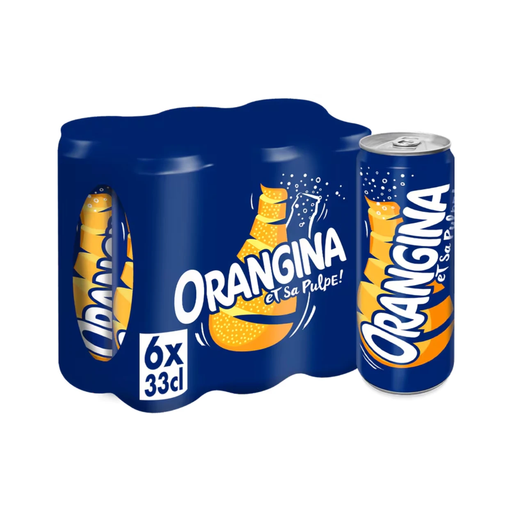
Why this fits the profile: The 330 ml servings are suitable for individual portions, and the drink contains, according to the description, 12% citrus fruit juice from concentrate.
The juice percentage and nutritional information are visible, so "citrus flavour" isn't the only purchase criterion.
6 x 330 ml, carbonated and a citrus blend with orange, grapefruit and mandarin.
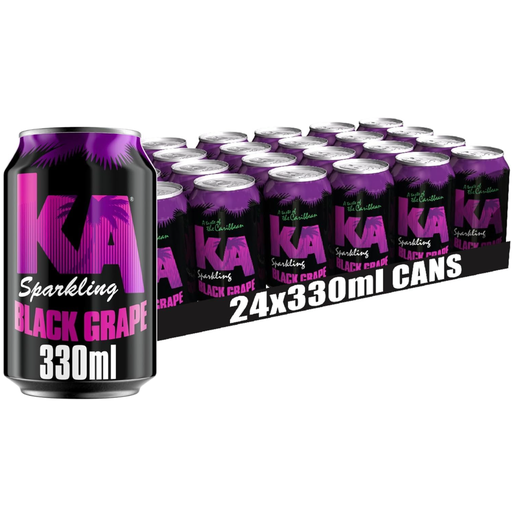
Why this fits the profile: The multi-pack of 24 cans is aimed at parties, gatherings and households that regularly serve small portions.
You're not buying a large opened bottle for an occasion; each portion is individually packaged. Do check the total price per litre.
24 cans of 330 ml, carbonated black grape flavour and suitable for serving chilled.
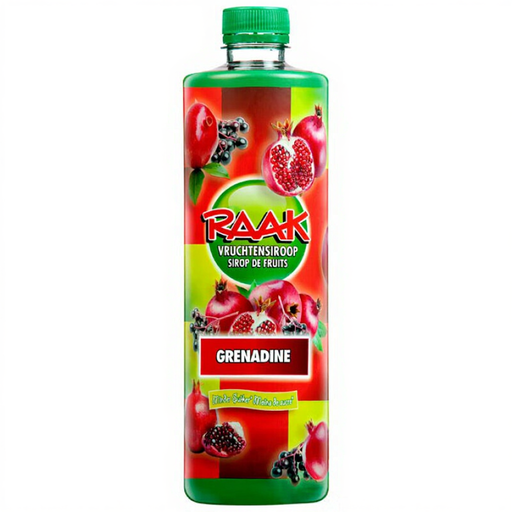
Why this fits the profile: According to the product information, one bottle makes approximately 6 litres of drink, depending on the dilution ratio.
You can choose still or sparkling water yourself and calculate the cost based on the recommended dilution, not just the bottle price.
750 ml syrup, approximately 30 glasses according to the description and suitable for still or sparkling water.
We've put together a full, up-to-date list of products that fully meet these strict selection criteria and comply with current European safety regulations.
That depends on the price per litre, the number of people and the amount you actually use. A 1.5-litre bottle is often suitable for daily use. A multi-pack of cans can be more practical for guests, but always compare the total volume and the price per litre.
Follow the storage advice on the packaging. Most of the products described should be kept refrigerated after opening, tightly sealed, and consumed within the stated period. Carbonation can also disappear more quickly after opening, especially if the bottle is poured from frequently.
Check both the nutritional information and the ingredients list. Look at the sugar per 100 ml and also at the sweeteners used. If you specifically want a fruit drink, also pay attention to the fruit juice percentage. This way you can compare sugar-free soft drinks, iced tea and cordials based on verifiable data rather than just what's on the front of the packaging.
