
Vandaag of morgen in huis

Kwaliteit gegarandeerd

Welkomstaanbiedingen ontgrendelen: GRATIS bezorging | Tot 80% korting | Gratis 30 dagen JoyPlus-proefperiode
Download de app
Buying socks seems simple enough – until a few washes in, you’re dealing with sagging cuffs, thinning patches or a poor fit. Terms like “breathable”, “antibacterial” and “extra support” only really mean something once you know the specifications behind them.
For everyday wear, work, sport and children, there are three main pitfalls to watch out for:
Below, you’ll find out what to look for before buying socks online.
Cotton socks generally feel soft and work well for everyday wear or the office. Cotton can absorb moisture, but it doesn’t always dry as quickly as synthetic fibres. For running, fitness and intense training, sports socks made from polyester, polyamide or a similar fibre are often more practical for moisture management.
A material blend can combine different properties:
Don’t just rely on terms like “breathable socks”. Also check the full material breakdown and the care instructions.
A good fit prevents wrinkles and pressure points. Use the EU size chart on the product page rather than just your usual shoe size. For example, some sports socks list size M as EU 39-42, while other models use a different sizing system.
Also look out for:
Extra care is needed with compression socks. The pressure distribution varies from model to model. If you need compression for a medical reason, it’s wise to seek professional advice first. A product claim about support or circulation is not medical advice.
No-show socks are designed to sit as low as possible above low-cut shoes. They work well with trainers, slip-ons and summer casual footwear. Ankle socks cover the ankle partially and are suitable for many sports and leisure shoes. Crew socks come higher up the calf and offer more coverage for training, walking or everyday wear.
For specific activities:
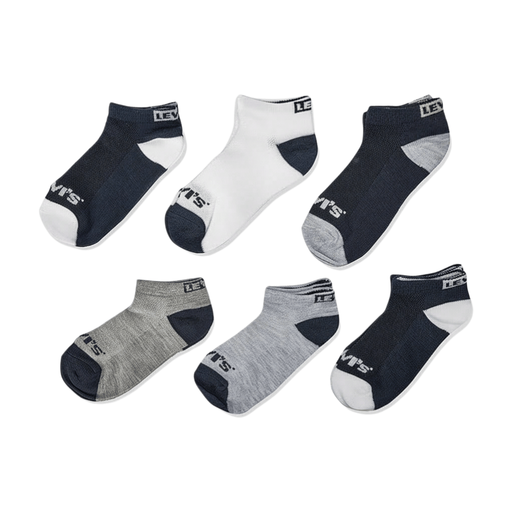
Why this fits the profile: Six pairs of low-cut children’s socks are handy for school, play and trainers. The blend of cotton, polyester and elastane is designed for everyday comfort and flexibility.
The six-pack reduces the need to buy individual pairs frequently. The low cut also prevents the sock from sitting unnecessarily high above a trainer.
6-pack, low fit, cotton blend and, according to the product description, reinforced heel and toe.
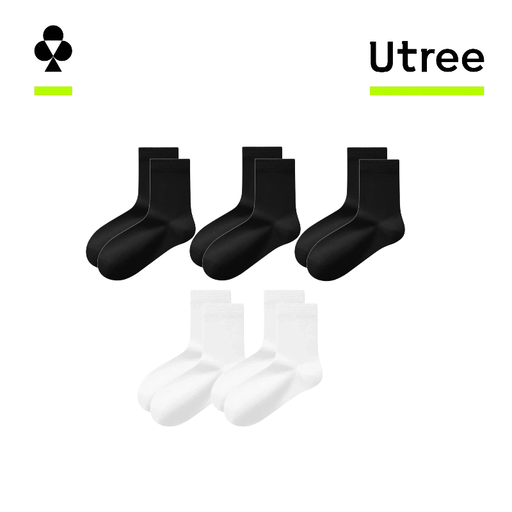
Why this fits the profile: This thin style is designed for long working days, commuting and leather shoes. The black and white colours are easy to pair with formal clothing.
The product description mentions a flat toe seam, a shaped heel and an elasticated cuff. According to the brand’s own claims, the sock meets a 10A antibacterial standard; check the product information for the exact meaning of this.
100% cotton excluding elastic fibres, thin design and 3D heel according to the product data.
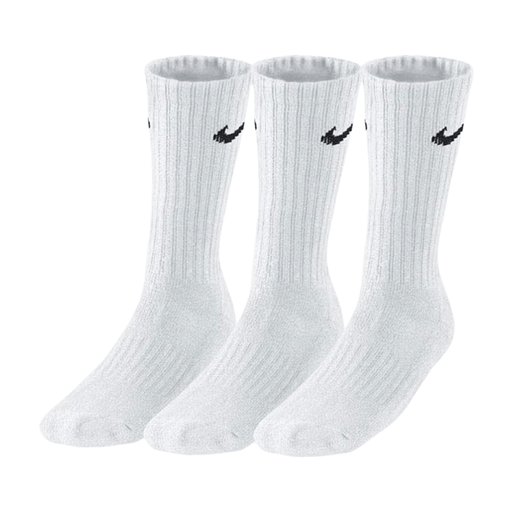
Why this fits the profile: These crew sports socks are designed for training and running. Size M is suitable for EU 39-42 according to the size chart.
The crew length prevents the sock from ending too low during movement. The product description mentions cushioning under the heel and forefoot, plus an arch band.
3-pack, 75% cotton, cushioning and, according to the product information, a moisture-wicking design.
For winter activities, a thin cotton sock isn’t always suitable. The OutdoorMaster ski and snowboard socks are made from a merino wool blend and, according to the product description, feature targeted compression zones, cushioning and a non-slip cuff. The pack contains two pairs.
With walking socks and ski socks, pay particular attention to the combination of:
During prolonged activity, a sock that is too thick can actually cause friction if it makes the shoe too tight.
We’ve put together a full, up-to-date list of products that fully meet these strict selection criteria and current European safety regulations.
For everyday use, many households choose several multipacks so there are enough pairs to rotate between washes. For sport and walking, it’s a good idea to use separate sports socks. This way, you keep the thickness and properties matched to the activity.
The lifespan depends on the material, washing programme, fit and use. Thin socks in tight-fitting shoes wear differently to thicker walking socks. Wash according to the label, avoid unnecessarily high temperatures and regularly check the heel, toe and cuff for signs of wear.
Cotton can be comfortable for light activity, but it absorbs moisture and doesn’t always dry quickly. For running or intense training, sports socks made from a cotton blend with synthetic fibres are often more practical. When choosing, look at moisture wicking, cushioning and fit rather than just the brand or marketing name.
