
Vandaag of morgen in huis

Kwaliteit gegarandeerd

Welkomstaanbiedingen ontgrendelen: GRATIS bezorging | Tot 80% korting | Gratis 30 dagen JoyPlus-proefperiode
Download de app
Buying sneakers may seem straightforward, but an attractive look tells you little about fit, materials or suitability for your needs. A pair might look comfortable online, yet feel too narrow, offer little grip or be difficult to care for. A few simple checks can help you avoid a purchase you regret.
Black sneakers, white sneakers and eye-catching styles are easy to pair with different outfits. But colour and logo don’t determine whether a shoe feels comfortable. Check the fastening, sole, lining and last too. For example, laces let you adjust the fit differently from elastic or hook-and-loop fastenings.
According to brands’ product information, certain insoles, cushioning materials or breathable uppers can help make shoes more comfortable. That doesn’t mean every style will suit every foot. Check the stated fit, shoe width and sizing advice. A regular fit is not the same as a wide last.
Not every sneaker is suitable for machine washing. Textile, suede, leather and synthetic materials each need different care. And sports shoes for everyday walking aren’t automatically suitable for intense exercise. Check the care instructions before you order.
First, compare your foot length with the size chart for the specific style. Sizes can feel different from one brand or model to another. For example, if you’re looking for size 44 sneakers, you may find styles with a regular fit, but even within that size, the room around the toes and instep can vary.
Look out for these details:
The upper affects breathability, care and appearance. Leather sneakers can have a sturdier look, while mesh and textile are often lighter. Suede needs more protection from moisture and dirt. Synthetic materials are usually easy to wipe clean, but their properties vary from product to product.
Check the lining too. A textile lining can be suitable for everyday wear, while a padded tongue or insole may provide extra support. Don’t present these features as having a medical effect: they’re product characteristics, and comfort is a personal experience.
Rubber outsoles are common on many casual shoes and sports shoes. Check the tread, flexibility and midsole construction too. For walking and everyday wear, good grip and a secure fastening are practical. Intense sports require additional features that not every lifestyle sneaker offers.
So it’s worth distinguishing between:
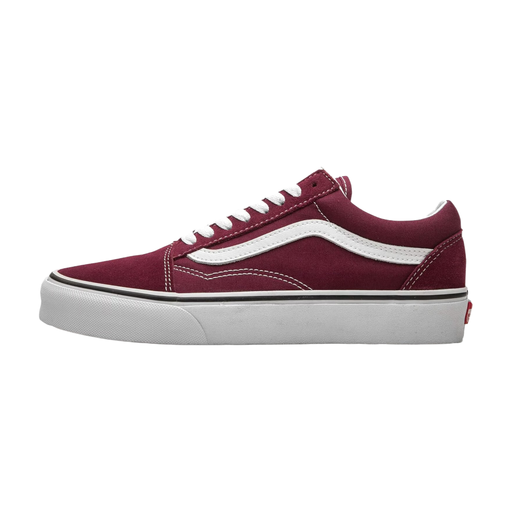
Why it suits this profile: This low-top style is designed for everyday outfits, walking and casual wear. The textile upper and rubber sole are clearly listed in the product information.
You can check the materials and care instructions before buying. Machine washing and high temperatures are not recommended.
Textile upper, rubber sole and a recognisable low-top design for everyday wear.
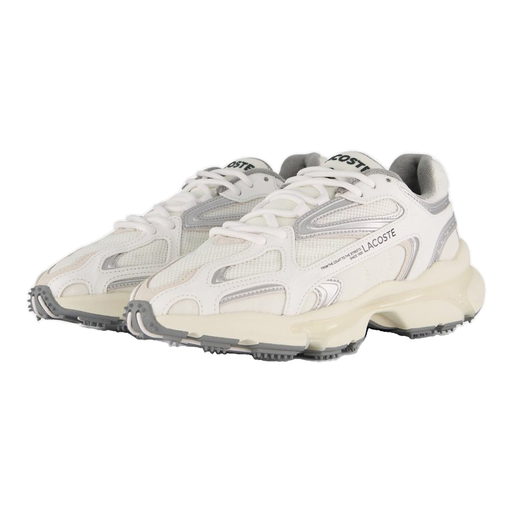
Why it suits this profile: According to the product description, this style combines mesh, suede and synthetic overlays with an OrthoLite insole and padded tongue. It’s a good match if you want to combine style with everyday comfort.
The description covers more than just the look: it also details the materials, sole construction, fit and hand-washing advice.
Mesh and suede upper, EVA midsole, OrthoLite insole and tread for grip.
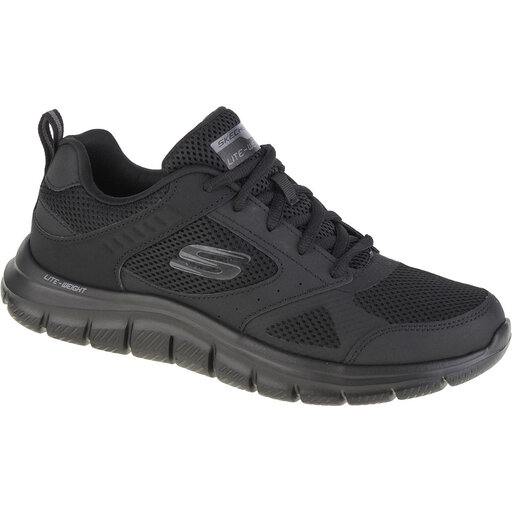
Why it suits this profile: The combination of leather and mesh, lace fastening and rubber sole makes this style a good option for everyday wear, regular walks or light exercise.
The laces let you adjust the fit. For care, wiping with a damp cloth is recommended; soaking and harsh cleaning products are not.
Leather and mesh upper, Memory Foam insole and rubber outsole, according to the product information.
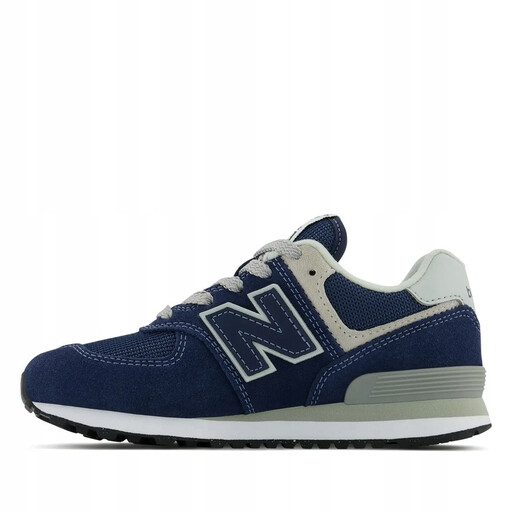
Why it suits this profile: This children’s sneaker has a hook-and-loop fastening, EVA midsole and treaded rubber sole. That makes it practical for school, play and everyday on-and-off wear.
The fastening is easy to use, and the product information lists the materials, sole type and care instructions: wash at 30 °C on a delicate cycle.
Suede, synthetic material and mesh; hook-and-loop fastening; EVA midsole and treaded rubber sole.
We’ve put together a complete, up-to-date list of products that meet these strict selection criteria and comply with the applicable European safety regulations.
Measure your foot at the end of the day and compare its length with the size chart for your chosen style. Check the fit and width too. If you’re unsure, the sizing information for the specific product matters more than the size you usually wear in a particular brand.
Their lifespan depends on how you use them, the surface you walk on, your body weight, the materials and how well you care for them. A pair worn for daily walks is put under different strain from one used for intense exercise. Replace your sneakers when the sole is visibly worn, the fastening no longer works properly or the shoe loses its shape.
No. Always follow the care advice on the product page or label. Some styles can be washed on a delicate cycle, while others should only be cleaned with a damp cloth. Leave shoes to air-dry and don’t expose them to direct heat.
