
Vandaag of morgen in huis

Kwaliteit gegarandeerd

Welkomstaanbiedingen ontgrendelen: GRATIS bezorging | Tot 80% korting | Gratis 30 dagen JoyPlus-proefperiode
Download de app
Buying sneakers sounds simple, until you have to choose between men's sneakers, women's sneakers, children's sneakers, running shoes and casual sneakers. An attractive design says little about fit, grip or care. If you focus only on the brand name or a discount, you could end up with shoes that pinch, wear out quickly or are unsuitable for the surface you use them on.
Use this practical guide to check the most important features before buying shoes online.
Many casual sneakers have a sporty-looking sole, but they are not designed for running, trail running, basketball or lacrosse. They may be perfectly suitable for everyday use on the street. During intensive exercise, fit, tread pattern and stability are more important than the logo.
A model such as the Nike Air Force 1 07 is intended for everyday use according to the product description. That does not automatically make this sneaker suitable as a running shoe.
A soft midsole feels comfortable when trying shoes on, but the shoe as a whole must also provide sufficient support and grip. With running shoes, therefore, check not only the cushioning but also the weight, fastening, upper and the surface the tread is designed for.
For trail running shoes, look for deep grooves and a grippy rubber outsole. A flat sole designed for the city serves a different purpose on mud or loose stones.
Sizes vary between brands and models. An EU size 42 2/3 in adidas will not necessarily feel the same as a size 42 from another brand. Check the size chart, foot length in centimetres or millimetres, and the available width.
For children, an easy-to-adjust fastening is practical, but also check that the shoe fits securely around the heel and is not too roomy at the front.
Start by asking yourself where you will wear the shoes:
Mesh and textile generally allow more air through than fully enclosed synthetic materials. Leather or synthetic leather can provide a sturdy look and structure, but requires different care.
Also look at the lining and tongue. A padded collar can provide a comfortable fit, while an unlined model may offer greater airflow. These are product specifications, not a guarantee of a particular wearing experience.
The midsole partly determines how the shoe feels when walking or running. Product information may mention EVA, Cloudfoam, ABZORB and other foam materials. The material name alone is not enough: also consider the intended use and construction.
The outsole should suit the surface. Rubber provides a practical base for everyday use, while trail models often have a more aggressive tread. With sports shoes, also check whether the sole is designed for indoors, tarmac, grass or mixed terrain.
Laces provide an adjustable fit. Hook-and-loop fastening is useful for children's sneakers and makes them easier to put on and take off. A Quicklace system, as used on certain Salomon models, is designed for quick adjustment.
Care cannot extend the lifespan indefinitely, but it can prevent unnecessary wear:
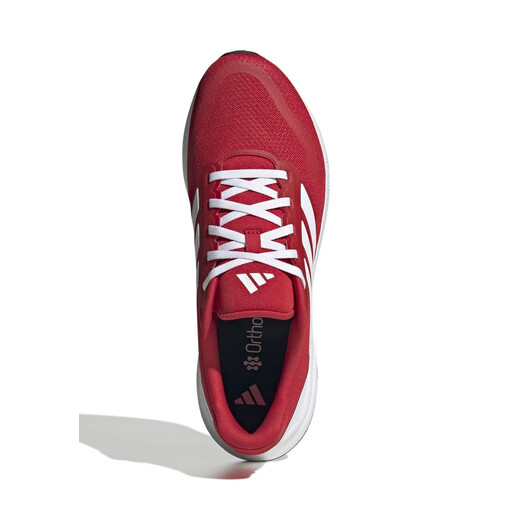
Why it suits this profile: According to the product description, this model is designed for road training and short distances of 0–10 km. This makes it a straightforward choice for anyone looking for one pair for walking, everyday use and gentle running.
The product information specifies the intended use, size and care requirements. That means you do not have to use a casual model as a running shoe.
Mesh upper, Cloudfoam midsole, OrthoLite insole and Adiwear outsole according to the product details.
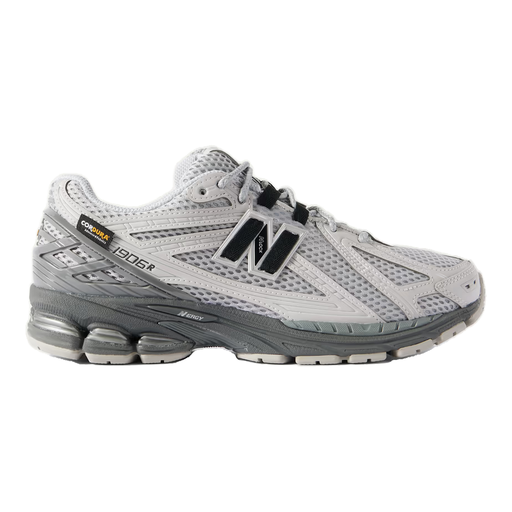
Why it suits this profile: The retro look works well for everyday use, while the running technology listed makes this model appealing to people who want to combine comfort and design.
The description mentions mesh, synthetic material, rubber and an ABZORB midsole. You can therefore base your choice on specific features, rather than the brand alone.
ABZORB midsole, Stability Web technology according to the product description, breathable mesh and a rubber outsole.

Why it suits this profile: According to the product description, this trail model is designed for muddy and mixed terrain. It suits users who run away from paved roads and are specifically looking for grip.
The pronounced tread makes it clear that this is not a flat lifestyle sneaker intended solely for city use. However, do check that the size and fit suit your foot.
GORE-TEX membrane, Contagrip TA outsole with deep grooves, SensiFit construction and Quicklace fastening according to the product details.
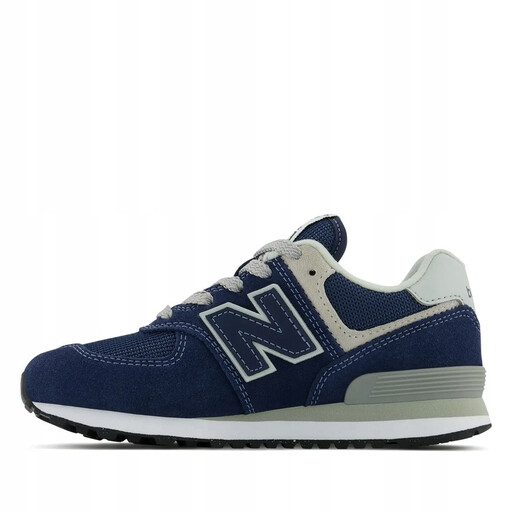
Why it suits this profile: The combination of hook-and-loop fastening, mesh and a rubber outsole is practical for school, play and everyday use.
The size, fastening and materials are specified. This helps you avoid choosing based solely on the colour or the familiar 574 design.
Hook-and-loop fastening, lightweight EVA midsole, textile mesh and a rubber outsole with tread according to the product description.
We have put together a complete, up-to-date list of products that fully meet these strict selection criteria and the applicable European safety regulations.
Measure both feet at the end of the day while wearing the socks you normally use. Compare the longer foot with the size chart for the specific model. Also check the recommended fit: standard, narrow or wide. With running shoes, a little extra room around the toes can be comfortable, but the heel should not slip.
Lifespan depends on use, body weight, surface, care and materials. A pair of casual sneakers that is worn alternately with other shoes may stay in good condition for longer than a pair used intensively every day. Replace your shoes when the sole shows visible uneven wear, the cushioning feels different or the upper no longer provides a secure fit.
You can with some models, but check the design and sole first. Running shoes are adapted to a particular running surface and type of use. Trail running shoes with deep studs may be less practical on smooth shop floors, while lightweight road models can be well suited to walking and everyday use. Ideally, use a pair that matches the activity you bought it for.
