
Vandaag of morgen in huis

Kwaliteit gegarandeerd

Welkomstaanbiedingen ontgrendelen: GRATIS bezorging | Tot 80% korting | Gratis 30 dagen JoyPlus-proefperiode
Download de app
Buying snacks and sweets online seems easy, but product photos don’t always tell the whole story. A large bag, for example, may contain several small portions, while a small packet could have a strong flavour or a high salt content. Terms such as “vegan”, “natural” or “high protein” also deserve a closer look at the ingredients list and nutrition table.
As a Joybuy Product Recommendation Officer, I check product information for the practical details: what’s in it, how much you get, what it’s suitable for and which allergens you need to check.
“Barbecue”, “fruit” or “Japanese style” mainly describes the flavour. The ingredients can vary considerably. A savoury snack, for example, may contain soya, wheat, egg, fish or shellfish. Asian snacks also often include flavourings such as soy sauce, chilli and dried seafood.
So always check:
A product may be described as vegetarian in its title, while the ingredients list includes gelatine. Recipes and packaging can also change. Some product information for Fruitella Strawberry Vegan 4 Sticks says “vegan”, but other details mention gelatine and don’t provide complete allergen information. If you’re unsure, check the current packaging before eating the product.
Pay particular attention to ingredients such as gelatine, milk powder, egg, fish oil and shellfish extracts. A product described as “plant-based” in its marketing isn’t automatically vegan.
A 200-gram bag is handy for sharing, but less practical if you’re looking for portions to take on the go. Individually wrapped sweets, mochi or konjac jelly are easier to carry. Savoury snacks in small packets are ideal for a lunchbox, but some products need to be refrigerated after opening.
So check the net weight, number of portions and storage instructions.
EU rules require producers to clearly identify major allergens. Look out for:
For example, TUC Minibites Original contains wheat, egg and sulphites, and may contain milk and soya. Panpan Chicken Flavour Bites contains wheat, soya and egg. BENTO Mixed Seafood Snack lists fish, squid, prawn, soya and other seafood. These products won’t suit everyone.
Compare products on the same basis. A 20-gram portion may seem small, but comparing values per 100 grams makes differences easier to spot. TUC Minibites Original lists 482 kcal and 1.7 grams of salt per 100 grams. Frito-Lay Cheetos Barbeque Flavor lists 554 kcal and 1.4 grams of salt per 100 grams.
For sweet snacks, carbohydrates and sugars are particularly relevant. Depending on the sweets in the mix, Look-O-Look Top Mix lists between 48 and 63 grams of sugar per 100 grams. Use the nutrition table to compare products, rather than relying only on the wording on the front of the pack.
For parties, sweets mix, individually wrapped sweets and multipacks are practical choices. Smaller packs, such as 20, 60 or 70 grams, are easier to take on the go. Check the best-before date on the packaging when your order arrives. Dry snacks are generally best stored in a cool, dry place, away from sunlight, heat and moisture. Some products, such as snacks with a moist or soft texture, have different instructions once opened.
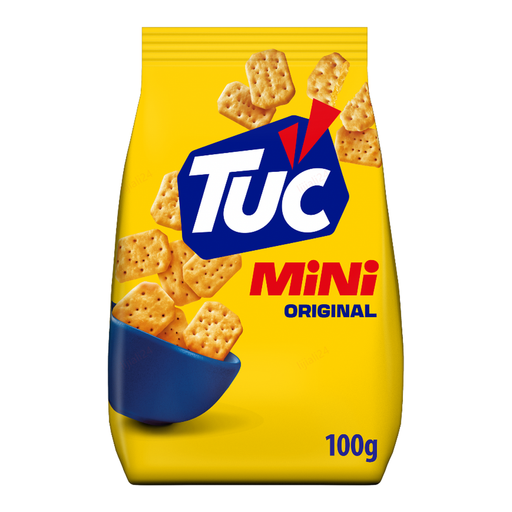
Why it suits this profile: A handy 100-gram pack of small, crisp biscuits for sharing, a film night or a simple snack mix.
The weight and portion information are clearly stated. Do check the allergens: it contains wheat, egg and sulphites.
100 grams, crisp baked biscuits and a suggested portion size of around 30 grams.
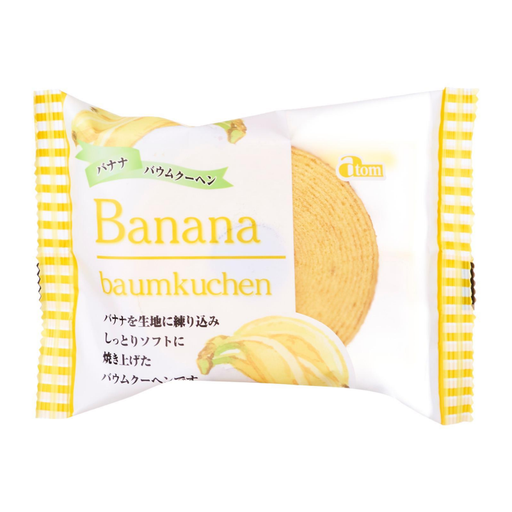
Why it suits this profile: An individually wrapped Japanese cake with soft layers and a banana flavour, perfect with tea, as a dessert or as a sweet treat.
The portion is clearly defined at 80 grams. The product information lists wheat, egg and milk; check the current packaging if you have allergies.
80 grams, individually wrapped and 324 kcal per portion according to the nutritional information provided.
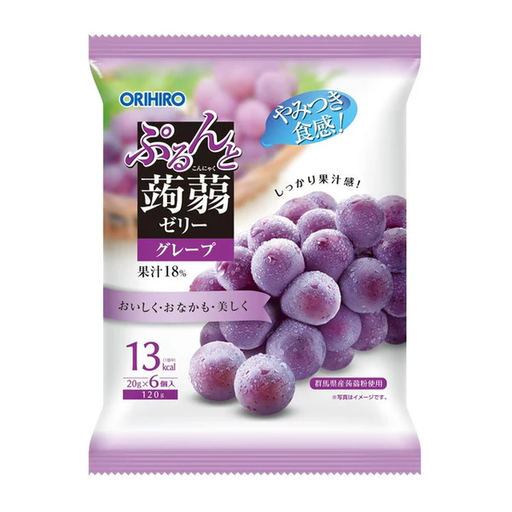
Why it suits this profile: Six individually wrapped portions make this konjac jelly a handy choice for lunchboxes, eating on the go or a little sweet break.
The contents are divided into six packs. The listing doesn’t specify any allergens, but always check the current packaging and instructions for use.
120 grams in total, six individual portions and a grape flavour.
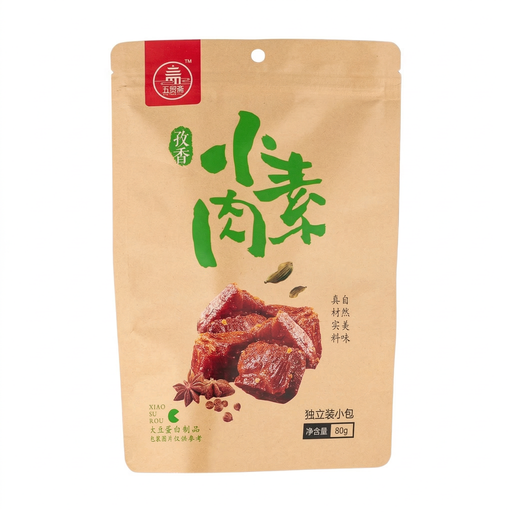
Why it suits this profile: A savoury Chinese snack made with wheat and soya, with a cumin flavour and a firm texture for fans of well-seasoned vegetarian options.
The ingredients and allergens are clearly listed. The product contains wheat and soya and should be refrigerated after opening.
80 grams, ready to eat and 23.5 grams of protein per 100 grams according to the product information.
We’ve put together a complete, up-to-date list of products that meet these strict selection criteria and the applicable European safety regulations.
Individually wrapped products are practical for a bag, lunchbox or picnic. Try konjac jelly, small packs of sweets, fruit rolls and single-portion packs of savoury snacks. Check whether the product needs to be refrigerated after opening.
Read both the product title and the ingredients list. Look for gelatine, milk, whey, egg and other animal-derived ingredients. If the information is contradictory or allergens aren’t listed, use the packaging as your guide before eating the product.
Compare the price per 100 grams and check how many individual portions are included. A multipack may seem more expensive, but it can be more convenient for sharing or taking on the go. Also check the best-before date and storage instructions, so you don’t buy a larger pack than you can use in time.
