
Vandaag of morgen in huis

Kwaliteit gegarandeerd

Welkomstaanbiedingen ontgrendelen: GRATIS bezorging | Tot 80% korting | Gratis 30 dagen JoyPlus-proefperiode
Download de app
Buying snacks online is convenient, but attractive packaging does not always tell the whole story. A bar labelled “high protein”, a fruit-flavoured sweet or a product marked “no added sugar” may turn out differently from what you expect. Nutritional value, allergens and serving size are particularly easy to overlook.
With this practical checklist, you can compare snacks based on verifiable information. That makes it easier to find something for when you’re out and about, after exercising, with your coffee or to share at home.
A product may contain less sugar but still provide a relatively high number of calories or carbohydrates. “No added sugar” also does not automatically mean sugar-free. For example, Holie's Chewy Bar Double Chocolate states 0% added sugar, but according to the nutritional information, it contains 2.9 grams of sugar per 100 grams.
Products containing sweeteners also deserve your attention. Some high-protein snacks contain maltitol or other polyols. The product information for Grenade Carb Killa warns that consuming large amounts of polyols may have a laxative effect. So don’t just look at the front of the packaging.
Protein bars can be practical after a workout or as a snack when you’re out and about. However, they vary considerably in protein, fibre, fat and sweetener content. A high percentage of protein does not automatically mean that a bar suits your diet.
Compare the values per 100 grams and per serving. A 50-gram bar containing 25 grams of protein is very different from a small muesli bar with 5 grams of protein. Also check the ingredients: milk, soya, collagen, nuts and gluten are commonly found in high-protein snacks.
A vegan product contains no ingredients of animal origin, but always check the current packaging. Fruittella Mini Vegan is described as vegan in the product information, while some gummies contain gelatine. For example, ENNJOI Peeling Gummy contains gelatine and is therefore not suitable for vegans.
It is also worth taking extra care with gluten-free snacks. According to the product information, Bites We Love Chewy Oat Bars Chocolate uses gluten-free oats. However, the Cinnamon Roll variant also contains conflicting allergen information regarding gluten. Always check the current product packaging and allergen information before buying.
Use this order when comparing products:
For example, a nut bar may provide plenty of protein and fibre but also be high in energy. According to the product information, Zonnatura Organic Nut Bar contains 19 grams of protein and 7.1 grams of fibre per 100 grams, but also 34 grams of fat and 528 kcal per 100 grams. This makes the bar suitable for a different situation than a light fruit snack.
Ingredients are listed in descending order by weight. If sugar, glucose syrup or syrup appears near the top of the list, it makes up a significant part of the product. Also check for allergens such as:
With Japanese snacks, gummies and imported biscuits, the ingredients may vary by flavour or packaging. According to the product information, Nikko Matcha Cookies contains wheat, milk, egg and soya, among other ingredients. Daliyuan Crispy Almond Cookies contains wheat, peanuts, almonds, milk and sulphites.
Individually wrapped snacks are practical for work, school or travelling. However, check the total number of servings. A box containing 12 protein bars may seem better value, but only if you take the best-before date and your actual consumption into account.
Store dry snacks in a cool, dry place away from direct sunlight. Desserts such as Alpro Vanilla Flavour Dessert and Alpro Chocolate Flavour Dessert should be refrigerated after opening and used within the period stated on the packaging.
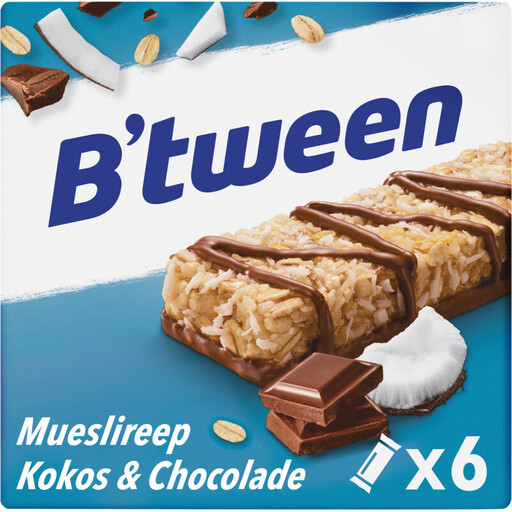
Why it suits this profile: Six individually wrapped 25-gram bars are easy to organise for school, work or a quick break when you’re out and about.
The serving size is clearly stated. The product information also mentions no preservatives or artificial colourings; check the current packaging for the full ingredients list.
Coconut and milk chocolate; 6 x 25 grams; individually wrapped.
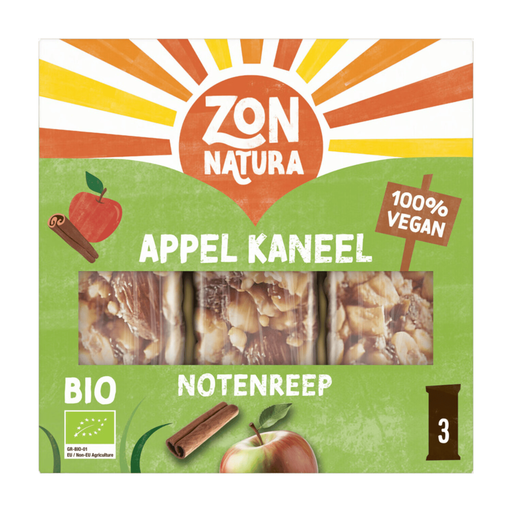
Why it suits this profile: This option is ideal if you’re looking for organic ingredients and a compact nut bar for home or when you’re out and about.
The product information lists organic ingredients and sweetening with agave syrup. The nutritional values also make it clear that the bar is high in energy.
Apple and cinnamon; 19 grams of protein and 7.1 grams of fibre per 100 grams; organic.

Why it suits this profile: A 50-gram bar containing 25 grams of protein according to the product information is aimed at athletes who want to plan their intake per serving.
The packaging states specific values: 50 grams of protein per 100 grams, 1.4 grams of sugar and 352 kcal per 100 grams. However, the product contains milk, soya, gluten and collagen.
25 grams of protein per bar according to the product description; chocolate flavour; individually suitable for sports sessions or when you’re out and about.
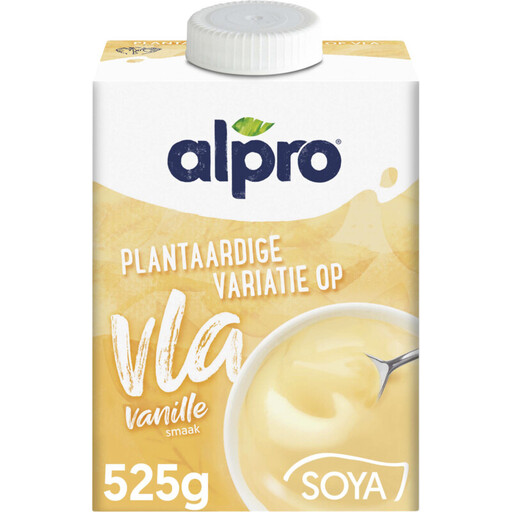
Why it suits this profile: This chilled dessert is designed for anyone looking for a plant-based alternative at home, for example as a dessert or part of a vlaflip.
The product information states that the dessert is vegan, lactose-free and gluten-free. However, it contains soya and 8.2 grams of sugar per 100 grams.
525 grams per pack; 75 kcal and 3 grams of protein per 100 grams; a source of calcium according to the product information.
We’ve put together a complete, up-to-date list of products that fully meet these strict selection criteria and the applicable European safety regulations.
Individually wrapped bars, gummies and biscuits are practical because they’re easy to keep in a bag. In warm weather, it’s better to avoid products with a delicate chocolate coating. Check the packaging for storage advice and shelf life.
No. Look at the overall nutritional profile. Compare protein, sugar, fibre, calories and ingredients. A protein bar may contain plenty of protein but also sweeteners, milk, soya, nuts or collagen. “High protein” describes one characteristic and does not tell you everything about the overall composition.
Check the nutrition table, which states the amount of sugars per 100 grams and per serving. “No added sugar” is not the same as “sugar-free”. Fruit juice, syrups and naturally occurring sugars can also contribute to the total amount of sugar. If in doubt, the current packaging should be treated as the definitive source.
