
Vandaag of morgen in huis

Kwaliteit gegarandeerd

Welkomstaanbiedingen ontgrendelen: GRATIS bezorging | Tot 80% korting | Gratis 30 dagen JoyPlus-proefperiode
Download de app
Buying snacks online might seem straightforward, but the range varies widely in ingredients, portion size, allergens and shelf life. A flashy packet or a term like “no added sugar” doesn’t automatically mean a product suits your diet. Even a protein bar, muesli bar or plant-based dessert can contain ingredients you wouldn’t expect.
With this practical guide, you’ll focus on the information that really matters. That way, you’ll find the right snacks for on the go, the family, workout sessions or a film night.
Words like “light”, “natural”, “protein” or “vegan” only tell part of the story. Always check the nutritional values per 100g and per portion. A product may be low in sugar but relatively high in fat, carbohydrates or sweeteners.
With protein bars, the amount of protein per bar is especially important. According to the product description, the XXL Nutrition High Protein Bar contains 25g of protein per 50g bar. That’s more concrete than just the term “high protein”. The bar also contains milk, soya, peanuts and cereals containing gluten. This makes the allergen list at least as important as the protein content.
“Vegan snacks”, “gluten-free snacks” and plant-based desserts are not interchangeable categories. A vegan product may, for example, contain soya. A snack made with oats isn’t automatically suitable for someone who must strictly avoid gluten.
So read the full ingredients list and allergen declaration. Look out for milk, soya, peanuts, nuts, egg, wheat, barley and sesame. With baby snacks and desserts for young children, also check the recommended age and storage instructions.
A large multipack isn’t always better value if you only eat the product occasionally. Look at the total weight, number of portions and best-before date. Individually wrapped bars and sweets are handy for on the go, whereas chilled plant-based desserts need to be used quickly at home once opened.
With international snacks, such as Japanese snacks or sweets from Asia, the product information can also vary from packet to packet. Use the current ingredients list and storage advice on the product as your guide.
Don’t just compare figures per 100g. A 25g muesli bar and a 90g biscuit packet serve different purposes. Check:
A nut bar often contains more fat and energy than a light biscuit, but it can also provide more fibre and protein. That doesn’t automatically make one choice right for everyone; it depends on your goal and portion size.
Ingredients are listed in descending order by weight. If sugar, glucose syrup or syrup appears near the top, it forms a significant part of the recipe. Also check for sweeteners, milk derivatives, gelatine and grains.
If you eat vegan, you could choose Fruittella Mini Vegan, for example; the product description mentions fruit juice, vegan suitability and none of the 14 major EU allergens. If you specifically want to avoid gelatine or animal-derived ingredients, you should still check the full packet.
For snacks on the go, sturdy packaging and individually wrapped portions are practical. The Hero Coconut Muesli Bar comes as six individually wrapped 25g bars. For home use, a larger pack may be more appealing, such as a 525g plant-based dessert.
With baby snacks, the age indication is crucial. According to the product information, Nestlé Yogolino Strawberry is suitable from 6 months. Unopened, it can be stored at room temperature; once opened, it must be kept chilled and used within the stated time.
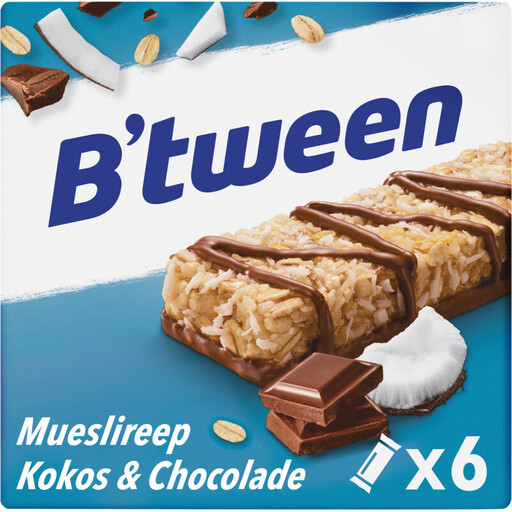
Why this fits the profile: Six individually wrapped 25g bars offer a clear portion size for school, the office or on the go.
The number of bars and the weight per bar are clearly stated. This lets you compare the price per portion rather than just looking at the packet.
6 x 25g; individually wrapped; with coconut, chocolate, oats, wheat and barley.
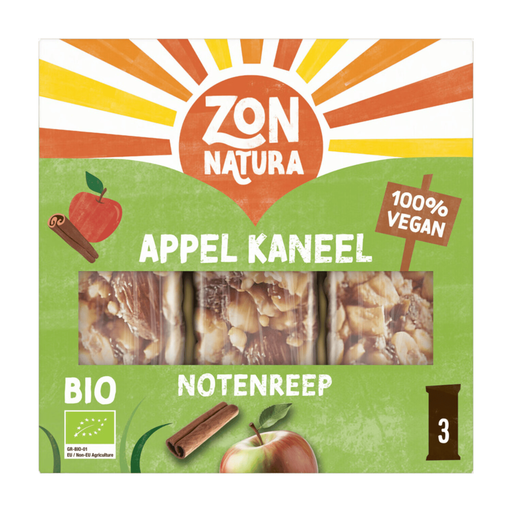
Why this fits the profile: An organic nut bar with apple and cinnamon for those who consider ingredients, portion size and origin.
The product information lists the main ingredients and allergens. Do bear in mind peanuts, nuts, almonds and possible traces of other nuts and sesame.
Organic; 3 x 25g; 45% peanuts and 16% almonds according to the ingredients list.

Why this fits the profile: Aimed at athletes or shoppers who want to calculate their protein intake per bar.
The nutritional values are given per 100g and the product description states 25g of protein per bar. Check beforehand whether milk, soya, peanuts and gluten fit your diet.
50g per bar; 25g protein according to the product information; 179 kcal per bar according to the description.
We’ve put together a full, up-to-date list of products that fully meet these strict selection criteria and comply with current European safety regulations.
Choose a clearly defined portion, such as a muesli bar, nut bar or individually wrapped biscuit. Check the nutritional values and allergens before you order. “Healthy” isn’t a fixed product category; the best choice depends on your diet, portion size and when you’ll be eating the snack.
A protein bar is generally a snack, not a full meal. Alongside protein, also check energy, fibre, fats, carbohydrates and sugar. Also look at sweeteners and allergens. Use the information on the label to decide whether the bar fits into your daily routine.
With baby snacks, age, texture, ingredients and storage instructions are important. With plant-based desserts, check whether the product is vegan, lactose-free or gluten-free according to the product information. Alpro Vanilla Flavour Dessert, for example, states a plant-based, vegan and gluten-free composition; always check the packaging on receipt, as labels can change.
