
Vandaag of morgen in huis

Kwaliteit gegarandeerd

Welkomstaanbiedingen ontgrendelen: GRATIS bezorging | Tot 80% korting | Gratis 30 dagen JoyPlus-proefperiode
Download de app
Buying snacks online seems straightforward, but product packaging often highlights one standout feature. A bar might say “no added sugar”, for example, while still containing sweeteners and polyols. And “high-protein” doesn’t automatically tell you how many calories it contains, what ingredients it uses or whether it’s right for the occasion.
Use these practical checks to compare sweet snacks, low-calorie snacks, protein bars and snacks for on the go, using information you can verify.
A product with 0 grams of sugar may still contain carbohydrates, sweeteners or a relatively high number of calories. Klene Sweet Suns, for example, lists 0 grams of sugar per 100 grams, but contains 53 grams of polyols. Consuming too many polyols can have a laxative effect. So check more than just the “of which sugars” line: look at total carbohydrates and the sweeteners used too.
The claim “no added sugar” on muesli bars also has its limits. It doesn’t mean the product contains no naturally occurring sugars. Always check the full nutrition table.
A pack may show a low figure per serving, while the nutrition table is based on 100 grams. That makes comparisons tricky. For each snack, note:
A small 125-gram jelly snack, for example, may contain 35 kcal, while a large 50 to 74-gram protein bar provides considerably more energy. Each could suit a different occasion.
High-protein snacks aren’t necessarily low in calories. According to the product information, the Nutramino XL Protein Bars in the variety bundle contain 25 grams of protein and around 284 kcal per 74-gram bar. That could work as a substantial snack, but may not be the best choice if you’re looking for a light sweet treat.
Also check for allergens. Milk, soya, gluten, peanuts and nuts are common in protein bars, biscuit bars and nut snacks.
First compare products per item or pack to see what you’ll actually eat. Then use the values per 100 grams to compare different sizes fairly.
Examples:
Ingredients are listed in descending order by weight. If glucose-fructose syrup, maltitol or sugar appears near the top of the list, that’s worth taking into account. If you’re choosing a nut snack, check which nuts it actually contains and whether the label says “may contain”.
EU rules require the 14 main allergens to be clearly listed. Still, check the label every time you buy, as recipes can change.
Individually wrapped bars are handy for work, school, travel or a gym bag. A resealable bag is more convenient at home, but makes it easier to eat several servings without realising. Also check the storage instructions, whether the packaging is damaged and the date on the pack.
A product high in polyols may not be the best choice just before a long drive or a meeting. Read the warning on the packaging and follow the recommended usage instructions.
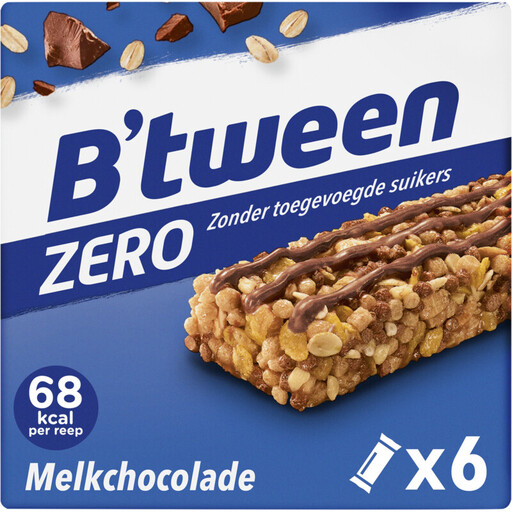
Why it suits this profile: Individually wrapped muesli bars are easy to take to the office, school or on the go. According to the product information, each bar contains 68 kcal and has no added sugar.
Alongside the no-added-sugar claim, the product information lists maltitol and 42 grams of polyols per 100 grams. This helps you assess the claim in context.
6 individually wrapped bars, made with oats and peanuts. Contains milk and cereals containing gluten; may also contain other nuts.
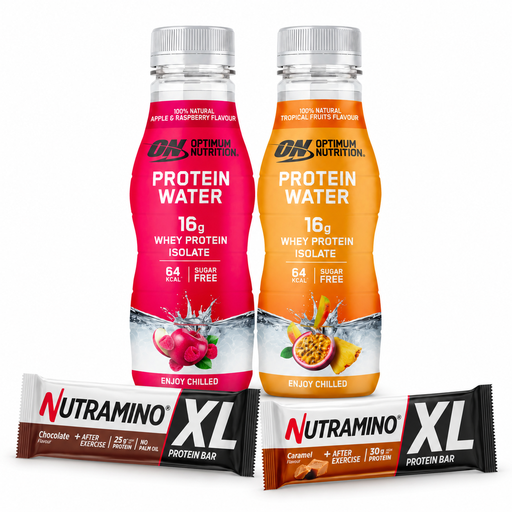
Why it suits this profile: This bundle combines two protein waters with two large protein bars. It’s a good option if you’d like to try different flavours and formats.
The bundle shows the serving size for each item. That makes it easy to see the difference between the drink, at 64 kcal and 16 grams of protein, and a bar, at around 284 kcal and 25 grams of protein.
Four flavours and two product formats. Contains milk and soya; according to the product information, the bars contain 19 grams of sugar each.

Why it suits this profile: The 50-gram bar is compact enough for a gym bag or workday. According to the product information, each bar provides 25 grams of protein, 179 kcal and 0.7 grams of sugar.
The product page lists protein, sugar and calories per bar. That means you can consider the high protein content alongside the rest of the nutritional information.
50% protein per 100 grams, according to the product information; chocolate flavour and an individual 50-gram serving. Contains milk, soya, peanuts and cereals containing gluten.
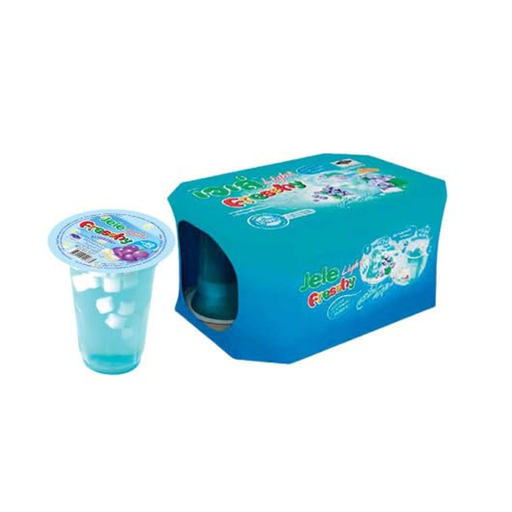
Why it suits this profile: These jelly snacks come in individual cups and, according to the product information, are a handy choice for a lunchbox, picnic or sweet treat at home.
The “light” claim is backed up with specific figures: 35 kcal, 5 grams of sugar and 8.5 grams of carbohydrates per serving, according to the product information.
6 cups of 125 grams, with a blueberry flavour and, according to the product information, none of the 14 main EU allergens. Does contain sugar.
We’ve put together a complete, up-to-date list of products that meet these strict selection criteria and current European safety requirements.
Check the kcal per actual serving, not just terms such as “light” or “zero”. A jelly cup with 35 kcal could be a different choice from a protein bar with 179 kcal. Also check the sugar, sweeteners and saturated fat.
No. Sugar-free usually means sugar has been replaced with sweeteners or polyols. Check the full nutrition table and read any warnings about excessive consumption. If you’re choosing liquorice sweets, also check the advice for people who are sensitive to a high intake.
Individually wrapped bars and cups are practical and easy to portion. For a longer day, you could combine a few options, such as a muesli bar, a high-protein snack and a small jelly snack. Check allergens, shelf life and storage conditions beforehand.
