
Vandaag of morgen in huis

Kwaliteit gegarandeerd

Welkomstaanbiedingen ontgrendelen: GRATIS bezorging | Tot 80% korting | Gratis 30 dagen JoyPlus-proefperiode
Download de app
Buying snacks might seem straightforward, until you start comparing labels. A packet with words like “light”, “natural” or “no added sugar” doesn’t tell the whole story. A bar, for example, can contain a lot of polyols, while vegetable crisps can still be relatively high in energy because of the oil. And a small packet isn’t automatically a small portion.
As Joybuy Product Recommendation Officer, I focus on verifiable information: ingredients, nutritional values, allergens, packaging and when you’ll eat them. That way, you avoid letting attractive marketing make the decision for you.
The term healthy snacks doesn’t say much on its own. Look at the nutritional values per 100 grams and per portion. A nut bar, for instance, might contain fibre and protein, but also relatively high levels of fat and energy. That doesn’t make the snack a bad choice, but it does make it less suitable if you’re after a small, light portion.
In a product with no added sugar, the sugar is sometimes replaced by sweeteners or polyols. According to the product information, the Hero B'Tween Muesli Bar Zero White Chocolate contains 42 grams of polyols per 100 grams. The packaging also states that excessive consumption can have a laxative effect. So always check the ingredients list and stick to the recommended portion.
Drying, vacuum frying or adding oil changes the nutritional composition. The MUSHAN BASE Mixed Fruit and Vegetable Crisps, for example, contains 16.1 grams of fat and 26.4 grams of sugar per 100 grams. It’s a crunchy snack with different flavours, but the name “fruit and vegetables” is no reason to skip checking the nutritional values.
Start with the first ingredients. These are listed in descending order of quantity. With muesli bars, granola bars and nut bars, look out for grains, syrups, chocolate and nuts. For gluten-free snacks, extra care is needed: check whether the packaging actually carries a suitable gluten-free label and verify the current product information.
Many products contain allergens such as gluten, milk, peanuts, nuts, soya, sesame or egg. Even when a product is “organic”, allergens don’t automatically disappear. An organic nut bar, for example, remains unsuitable for someone with a nut allergy.
Don’t just compare packets, but also portions. A 60-gram bag might contain several eating occasions, whereas a box of individually wrapped bars clearly defines the portions.
Useful points to compare side by side:
According to the label, the Bolletje Nice Going Grain Red Fruit contains 15 grams of fibre per 100 grams and comes as nine bars. That can be practical for snacks on the go, but the product also contains gluten-containing grains.
For a bike ride, train journey or work day, individually wrapped snacks are practical. They stay cleaner more easily and you can take a set number of portions with you. For home, a larger packet can be more economical, as long as you can reseal it properly after opening.
Also pay attention to the instructions. Some products need to be consumed quickly after opening. Konjac snacks, jelly products and dried snacks can change texture if stored incorrectly. So follow the information on the packaging, especially regarding opening, chilling and resealing.
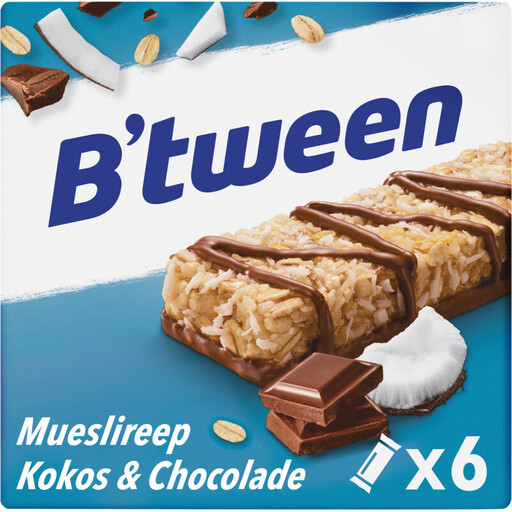
Why this fits the profile: Six individually wrapped bars of 25 grams make portions clear from the start. That’s handy for work, school or a short trip.
The portion size is visible per bar, so you’re less likely to count the whole packet as one portion.
6 x 25 grams, with oats, wheat, barley, coconut and milk chocolate. According to the product information, it contains no preservatives or artificial colours.
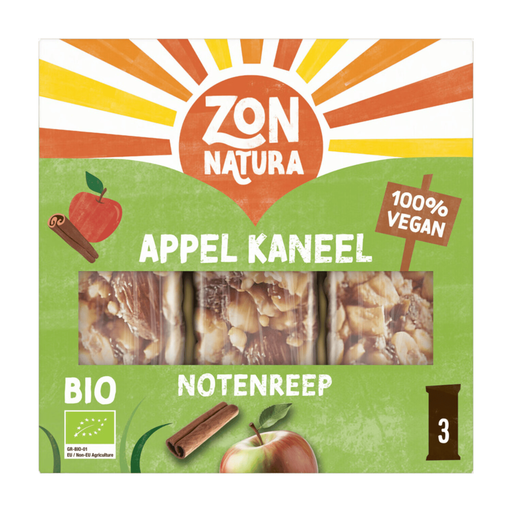
Why this fits the profile: A compact organic nut bar with apple and cinnamon for those who care about ingredients and origin.
The ingredients list states specific percentages, including 45% peanuts, 16% almonds and 6% apple. Check allergens on the current packaging.
3 x 25 grams, organic ingredients and 7.1 grams of fibre per 100 grams according to the product information.
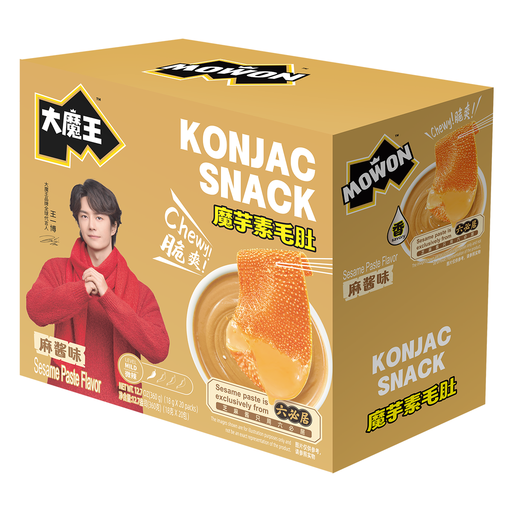
Why this fits the profile: Twenty small packets of 18 grams are ideal for anyone who regularly takes a controlled snack with them.
The portions are individually wrapped. The snack does contain soya, sesame and wheat, so it is not a gluten-free option.
18 grams per sachet, konjac as the main ingredient and 92 kcal per 100 grams according to the product information.
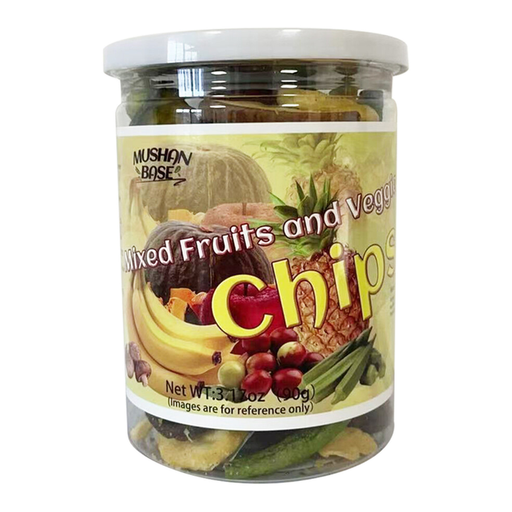
Why this fits the profile: A mix of purple sweet potato, banana, taro, apple, peas and carrot offers several flavours in one bag.
The mix makes the product content clear. Do check the portion, though, because the nutritional values are per 100 grams and not automatically per handful.
90 grams, ready to eat and, according to the product description, prepared using low-temperature vacuum frying.
We’ve put together a full, up-to-date list of products that fully meet these strict selection criteria and current European safety regulations.
Choose individually wrapped muesli bars, granola bars, nut bars or small konjac snacks. Pay attention to storage temperature, shelf life and allergens. For longer journeys, a sturdy packet is practical so the snack doesn’t break or leak easily.
That depends on the ingredients and portion size. In particular, check the oil, sugar, salt and energy per 100 grams. Vegetable crisps and fruit crisps can offer variety, but they are not automatically a replacement for fresh vegetables or fruit.
Store dry snacks in a cool, dry place away from direct sunlight. Seal bags properly and follow the packaging for how long they last after opening. Jelly and konjac products may have different instructions to muesli bars or sweets. When in doubt, the current packaging is your best guide.
