
Vandaag of morgen in huis

Kwaliteit gegarandeerd

Welkomstaanbiedingen ontgrendelen: GRATIS bezorging | Tot 80% korting | Gratis 30 dagen JoyPlus-proefperiode
Download de app
Buying snacks for a film night, party or lunchbox seems straightforward. Yet it’s all too easy to end up with a large pack that contains very little, a flavour that doesn’t suit your group, or ingredients you’d rather have avoided. When you’re buying crisps online or putting together a varied snack selection, it pays to look beyond the brand name, bright packaging and claims like “extra crunchy”.
The main pitfalls are:
For sharing snacks, the net weight is a practical point of comparison. A 200 g bag of Lay’s is arranged differently from a multipack of twelve 40 g bags. Individual portions are handy for lunchboxes, on the go, or when you want to divide the amount per person. A large pack is better suited to a buffet table, but needs to be sealed properly once opened.
Also pay attention to the ratio of product to packaging. Pringles, for example, come in a recognisable tube; the shape helps prevent breakage and makes storage after opening easy. That doesn’t mean every tube has the same contents or the same number of portions.
EU allergen information must be clearly shown on the label. Don’t just look for the words “crisps” or “sweets”; also check the flavour powders and composite ingredients.
Examples from the range:
Product information can change. So if an allergy or intolerance is a concern, always rely on the current packaging as your guide.
First choose the occasion, then the flavour. For a relaxed get-together, classic potato crisps, cheese and onion or sea salt often suit a range of tastes. For those who love bold flavours, spicy snacks, BBQ crisps or international varieties are more interesting.
Also check the nutritional values per 100 g. For example, Lay’s Max Joppie states 514 kcal and 0.71 g of salt per 100 g according to the product information. Lay’s Natural Chips lists 512 kcal and 0.85 g of salt per 100 g. These figures are intended for comparing products, not as a medical assessment.
Claims such as “25% less salt” or “60% less fat” are product claims. For Lay’s Natural Chips and Lay’s Patatje Joppie, a lower salt content compared with a reference product is stated; for Chio Oven Chips, a lower fat content compared with regular crisps is mentioned. Always check the packaging and the basis for comparison. According to the brand’s own information, such a claim says something about the composition, but it doesn’t mean the snack is automatically suitable for every diet.
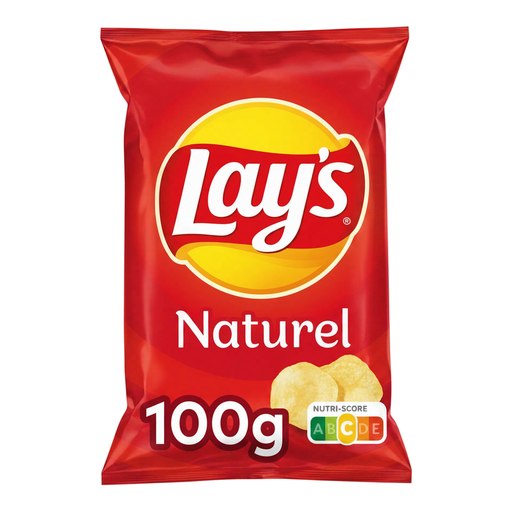
Why this suits the profile: A straightforward bag of classic salted potato crisps for anyone who wants to start without a complicated flavour choice.
The net weight of 100 g makes comparison easy. The flavour description is clear and contains no surprising spice mix.
Classic salted flavour, suitable for vegetarians according to the product information, and listed without the fourteen main EU allergens.
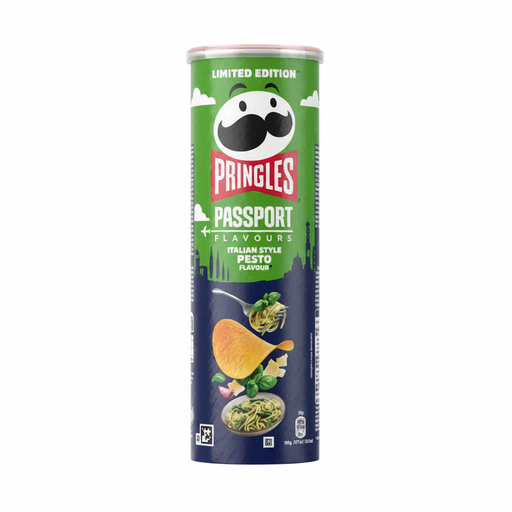
Why this suits the profile: For anyone who wants to combine a familiar snack shape with basil, garlic and savoury pesto flavours.
The tube states 165 g and the product information describes the flavour direction concretely, so you rely less on just the packaging.
165 g, stackable crisps and a resealable tube; contains milk and cereals containing gluten according to the product information.
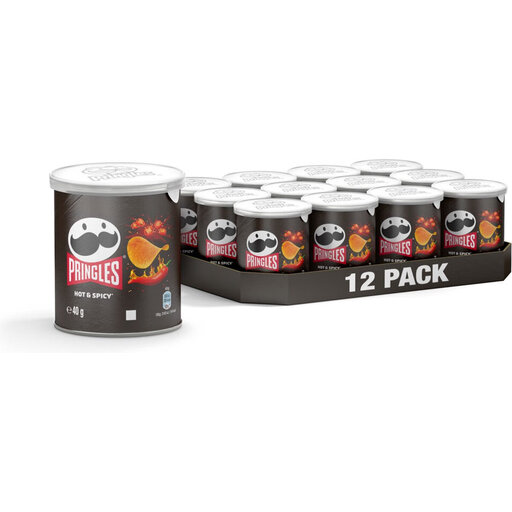
Why this suits the profile: The twelve 40 g bags are practical for parties, lunchboxes and groups who love spicy snacks.
The individual portions prevent a large opened bag from staying open for too long. The chilli flavour is clearly stated in the product name.
Multipack with 12 bags of 40 g, designed for taking out and sharing; the product information states none of the fourteen main EU allergens.
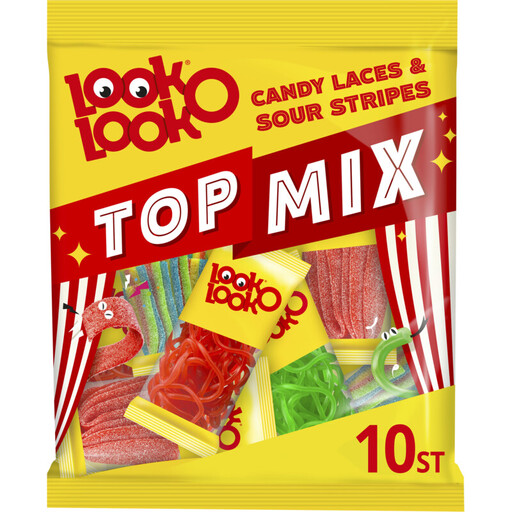
Why this suits the profile: Ten small portions with sweet laces and sour strips give families and guests several flavours to choose from.
The portion breakdown makes it clear what you’re buying and stops everyone having to dip into one opened bag.
215 g, ten portion packs and multiple fruit and sour flavours; contains wheat and cereals containing gluten according to the product information.
We’ve put together a full, up-to-date list of products that fully meet these strict selection criteria and comply with current European safety regulations.
Check the net weight, the number of portions, the flavour description, the ingredients and allergens. For international snacks, also look at the country of origin and storage instructions. Product photos may differ from the current packaging, so use the label as your main source of information.
Large bags of potato crisps, tubes of Pringles, multipacks and sweet snacks with individual portions are practical for sharing. For example, combine a mild flavour with BBQ crisps, a sweet mix and a spicy option. That way there’s a choice without having to rely on just one flavour.
Store snacks in a cool, dry place away from direct sunlight. Seal opened bags tightly and use a tube with a lid according to the product instructions. Moisture reduces the crunchiness of crisps. Sweets generally keep better when the packaging stays well sealed and isn’t kept in a warm room. Always check the best-before information on the packaging with every purchase.
