
Vandaag of morgen in huis

Kwaliteit gegarandeerd

Welkomstaanbiedingen ontgrendelen: GRATIS bezorging | Tot 80% korting | Gratis 30 dagen JoyPlus-proefperiode
Download de app
Buying snacks and crisps online seems simple, until you have to search through dozens of flavours, pack sizes and nutritional labels. A large bag isn’t always better value, a product labelled “protein” isn’t automatically low in sugar, and an international snack may contain allergens you wouldn’t expect.
As a Joybuy Product Recommendation Officer, I filter product information for practical details. This helps you compare savoury snacks, crisps, crackers and other crunchy treats using verifiable information, rather than just eye-catching packaging.
A 200g bag might seem ideal for a film night, but it may be less convenient if you only want a small portion. So check the net weight, number of servings and recommended serving size. For example, Lay’s Patatje Joppie lists around six to seven 30g servings in a 200g bag. That makes it a handy size for sharing, but you’ll need to divide it into portions yourself.
Individually wrapped snacks are often more practical for the office, school or on the go. They stay sealed until you’re ready to eat them and are easier to carry than an opened bag.
Terms such as “oven baked”, “high-fibre” or “protein” only tell part of the story. According to the product information, Lay’s Oven Baked Natural contains 13g of fat per 100g, but also 73g of carbohydrates. Hero Protein Nuts and Caramel contains 18g of protein per 100g, but also 37g of fat and 19g of sugar per 100g.
So always compare the full table: energy, fat, saturates, carbohydrates, sugars, protein, fibre and salt. Check the serving size too. Values per 100g are useful for comparing different products fairly.
Cheese crackers may contain milk, barbecue snacks may contain soya or wheat, and some international snacks contain fish, molluscs or sesame. Lay’s Grilled Squid is one example: its product information lists wheat, soya, milk, sesame and squid, among other ingredients.
Always check the “Contains” and “May contain” information on the current packaging before buying. If you have allergies or intolerances, always follow the packaging, as product ingredients can change.
Choose the pack size to suit the occasion:
Look out for ingredients such as wheat, milk, peanuts, nuts, soya, sesame, mustard and sulphites. TUC Minibites Original contains wheat flour, egg and sulphites, among other ingredients, and may contain milk and soya. Wasa High-Fiber Crackers contains rye, wheat, oats and sesame. So wholegrain crackers aren’t automatically suitable for every diet.
Pay extra attention to translated product information when buying international snacks. For example, Be&Cheery Spicy and Crispy Gluten Snack contains wheat and soya. The packaging may also provide additional advice on storage after opening.
“Crisps” can mean potato crisps, cassava crisps, corn snacks or puffed snacks, so the texture can vary considerably:
Store dry snacks according to the instructions on the packaging: in a cool, dry place, away from direct sunlight. Seal an opened bag tightly to help keep the contents crunchy.
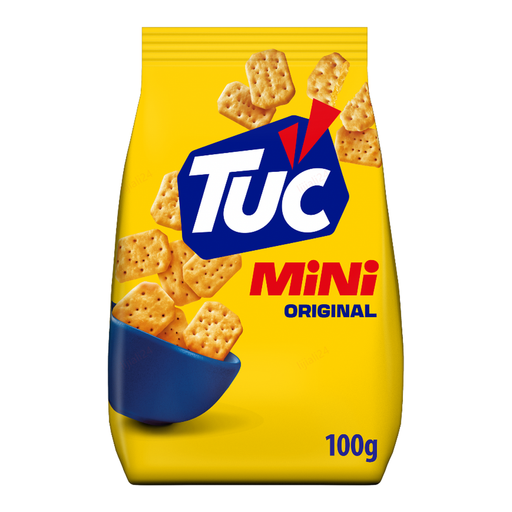
Why it suits this shopper: Small, baked crackers for a get-together, an evening on the sofa or a first taste of savoury snacks.
At 100g, the pack makes it easier to choose a smaller quantity than a large sharing bag. Be sure to check the allergens on the packaging.
Mini size, crunchy texture and clear serving information: 30g per serving.
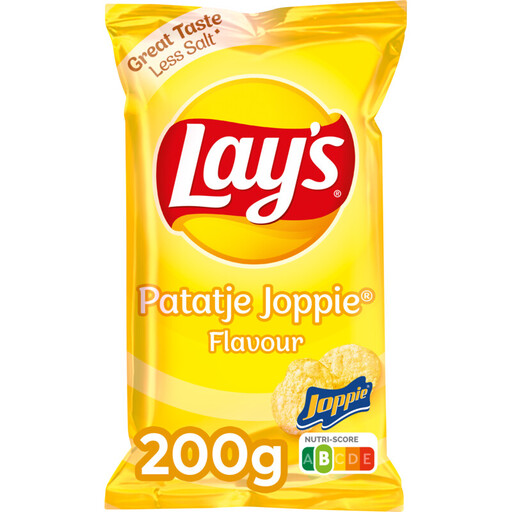
Why it suits this shopper: A familiar Dutch flavour for a film night, party or get-together where everyone can share.
The packaging lists the servings and nutritional values per 100g. Always check the current packaging to verify the claim about reduced salt.
A 200g bag, Joppie seasoning and 0.61g of salt per 100g, according to the product information provided.
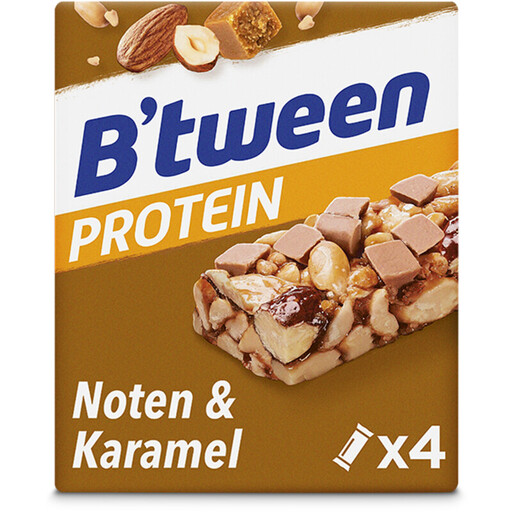
Why it suits this shopper: Individually wrapped bars for on the go, at the office or in a bag when you need a compact snack.
Each bar is individually wrapped and weighs 24g. The word “protein” doesn’t replace checking the sugar, fat and allergens.
Four individually wrapped bars, over 50% peanuts and nuts according to the product information, and 18g of protein per 100g.
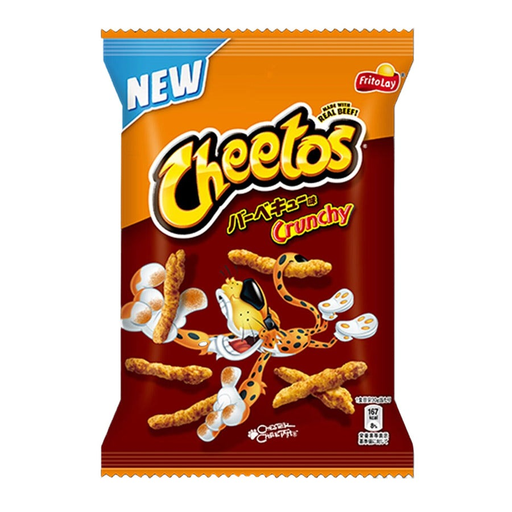
Why it suits this shopper: A small bag with Japanese barbecue flavour for anyone keen to try international snacks and unusual flavour combinations.
The 70g size makes it a small portion to try. The ingredients list soya and wheat; the product may contain milk.
Made in Japan, these corn puffs have a barbecue profile with smoky and savoury notes, according to the product description.
We’ve put together a complete, up-to-date list of products that meet these strict selection criteria and current European safety requirements.
Individually wrapped protein bars, small bags of crisps and compact crackers are practical for on the go. Check whether the product needs to be refrigerated and read the storage advice for after opening. A multipack such as Hero Protein Nuts and Caramel contains four individual 24g bars.
Use the nutritional values per 100g to compare products. Also check the net weight, serving size and salt content. Check the ingredients list too: two products with the same flavour name may contain different oils, flavourings or allergens.
Store unopened products in a cool, dry place, away from direct sunlight. Seal an opened pack as airtight as possible. Some products specifically state that you should reseal them after opening or consume them straight away. Always follow the current instructions on the packaging.
