
Vandaag of morgen in huis

Kwaliteit gegarandeerd

Welkomstaanbiedingen ontgrendelen: GRATIS bezorging | Tot 80% korting | Gratis 30 dagen JoyPlus-proefperiode
Download de app
Buying snacks and sweets may seem straightforward, but online you can quickly come across large packs, eye-catching claims and products that are less suitable for your needs. Are you looking for something for a party, school, work, a journey or simply to keep in the cupboard? In that case, ingredients, portion size and allergens are often more important than the front of the packaging.
A larger size is not automatically cheaper per portion. So compare the price per 100 grams and check how many individual portions you actually get. Multipacks can be useful for families or parties. For individual use, smaller packs are often more practical, as they make it easier to limit the amount you eat.
Words such as “no added sugars”, “with calcium”, “organic” or “high in fibre” describe just one aspect of a product. For example, a muesli bar with no added sugars may still contain naturally occurring sugars or sweeteners.
According to the product information, the Hero B’Tween Zero Muesli Bar contains no added sugars. The nutritional information also lists 42 grams of polyols per 100 grams. The packaging warns that excessive consumption may have a laxative effect. So always look beyond a single eye-catching claim.
Japanese snacks, biscuits and sweets from other countries may present ingredients and warnings differently. With Pocky, Cheetos, Oreo and other imported products, always check the current packaging. Pay particular attention to wheat, milk, soya, peanuts, nuts, egg, gelatine and sulphites.
For example, according to the product information, Nerds Gummy Clusters Fruits contain pork gelatine and apple. This may be relevant for allergies, dietary choices or religious dietary requirements.
Check the full ingredients list, not just the product name. In the European Union, allergens are generally clearly highlighted, but for imported products the information on the website may differ from the label. Joybuy product information therefore advises checking the packaging, warnings and instructions for use before consumption.
Examples from the range:
The value per 100 grams makes it easier to compare products. The portion size tells you how much you actually eat. A pack containing 6 tubes of Smarties or 10 small Look-O-Look portions may therefore be more convenient for sharing than one large bag of sweets.
Pay attention to these details:
For school, the office or while travelling, individually wrapped products are often practical. A 40-gram pack of Pocky or a 25-gram Hero bar takes up very little space. For a party, individually portioned products such as Look-O-Look Top Mix are easier to organise.
Store snacks according to the label: usually in a cool, dry place away from direct sunlight. Check the best-before date and preferably use an opened pack promptly. If the packaging is damaged, it is better not to use the product.
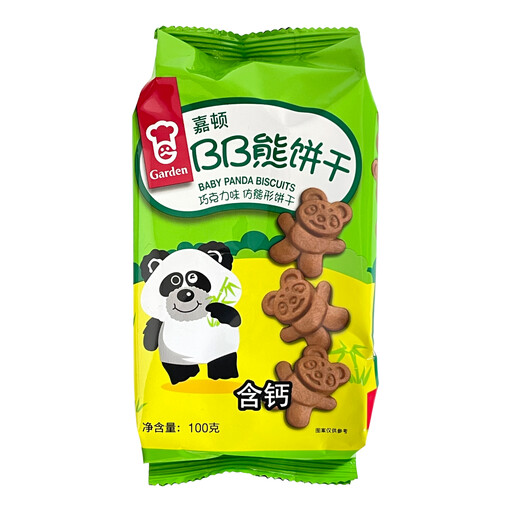
Why it suits this profile: A manageable 100-gram pack of crunchy bear-shaped biscuits for enjoying at home or putting in a lunchbox.
The weight, allergens and nutritional information per 100 grams are clearly stated. This makes it easier to compare the price and ingredients.
100 grams per pack; according to the label, contains wheat and milk; suitable for sharing.

Why it suits this profile: A larger pack for breakfast, yoghurt or a planned snack at home, with a mix of grains, seeds, nuts and cocoa.
The product information states 350 grams, 12 portions of 30 grams and a complete nutritional information table. This allows you to compare the “no added sugar” claim with the ingredients list.
According to the product information, 21% protein and 28% fibre per 100 grams; contains soya, oats, hazelnuts and almonds.
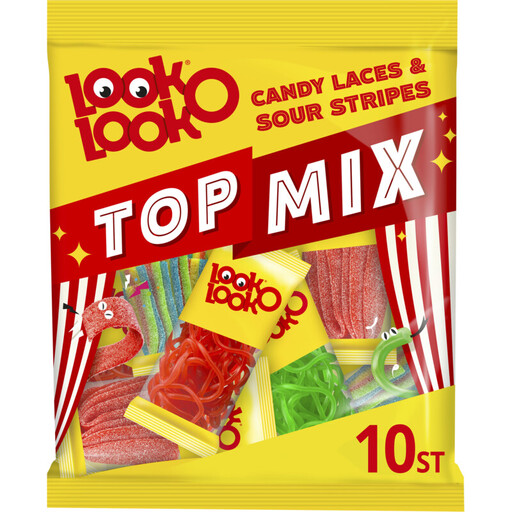
Why it suits this profile: Ten small portions containing sweet laces and sour strips for parties, treats or a sweet jar.
The portions are pre-divided, so you do not need to open a large bag every time. The packaging lists the different flavours and allergens.
10 small packs; flavours such as strawberry, apple and tutti-frutti; suitable for sharing.
We have put together a complete, up-to-date list of products that fully meet these strict selection criteria and the applicable European safety regulations.
Anyone looking for vitamins for teenagers should assess food supplements differently from ordinary snacks. According to the product information, Davitamon Boost Teen 12+ Chew Strawberry is intended for young people aged 12 to 18 and the recommended intake is 1 to 2 chewable tablets per day. The label also states that a supplement is not a substitute for a varied diet. Do not exceed the recommended dosage and, if you take medication or have a medical condition, ask a doctor for advice.
For snacks on the go, you can also choose individually wrapped muesli bars, organic nut bars such as Zonnatura with apple and cinnamon, or small Japanese snacks. With nut bars, always check for peanuts, almonds, other nuts and possible traces.
At a minimum, compare weight, price per 100 grams, portion size, ingredients, allergens and shelf life. With multipacks, also check the number of individual packs. A box of small portions may be more convenient for a party, while a larger bag may offer better value for use at home.
No. “Sugar-free” or “no added sugars” does not tell you everything about calories, fats or sweeteners. For example, Panpan Low GI Sugar-Free Oat High Fiber Biscuits list maltitol as a sweetener and, according to the product information, contain wheat, soya, oats and egg. So read the full nutritional information table and take account of the warning on the label.
Usually store them in a cool, dry place away from direct sunlight. Seal opened packs securely and check the storage information on the packaging. Chocolate snacks may discolour or soften in warm conditions. For imported products, the information on the physical label takes precedence.
