
Vandaag of morgen in huis

Kwaliteit gegarandeerd

Welkomstaanbiedingen ontgrendelen: GRATIS bezorging | Tot 80% korting | Gratis 30 dagen JoyPlus-proefperiode
Download de app
Slippers may seem simple, but the difference between a great pair and a disappointing purchase often only becomes apparent after a few days. A sole can be too slippery on a wet bathroom floor, a strap can rub, or the size can come up smaller than expected. Whether you're buying slippers for home, travel, the beach, the bathroom, or post-workout, it's worth considering the use, material, and fit first.
A minimalist design or striking colour says little about wearing comfort. Also check the sole thickness, the footbed, and the shape of the toe area. A narrow slipper can be uncomfortable for wide feet, even when the length is correct.
The term non-slip doesn't mean a slipper performs equally well on every surface. A tread with deep grooves and texture can help on damp floors, but dirt, soap, and smooth tiles still have an effect. For the bathroom, a drainage sole and a well-shaped tread are therefore more important than just a marketing claim.
Slippers are often offered in double EU sizes, such as 37-38 or 42-43. Don't just look at your usual shoe size; also check the recommended foot length in millimetres. For the PUXI models, for example, size 37-38 is listed for a foot length of approximately 240 mm. If you want extra room, check whether the shape allows it before choosing a larger size.
EVA is lightweight, water-resistant, and easy to clean. This makes EVA slippers suitable for home, beach, and bathroom. The firmness does vary depending on density and construction. A fully moulded model has few seams, while textile slippers often feel softer but are less suitable for lots of water.
For recovery after sport, a model with a moulded EVA footbed and a rubber outsole could be of interest. Pay attention to the concrete specifications rather than general terms like "wellness" or "recovery". The effectiveness of such features isn't automatically the same for everyone.
For bathroom slippers and pool slippers, a structured tread is useful. Check whether the product description mentions deep grooves, studs, or a wave pattern. A raised edge around the toes can also offer extra coverage, but doesn't prevent every contact with obstacles.
For home slippers, the noise and flexibility of the sole also matter. A thin EVA sole is lightweight, while a thicker sole can offer more cushioning and distance from a cold floor. However, a thick sole isn't always more stable; also look at the width and the footbed.
If you're looking for slippers for wide feet, look for a broad instep strap, a roomier forefoot, and a footbed where your foot doesn't spill over the edge. A "wide-fit" design is an indication, but always check the size chart. A wide shape can be comfortable for fuller feet, but may fit less securely on narrow feet.
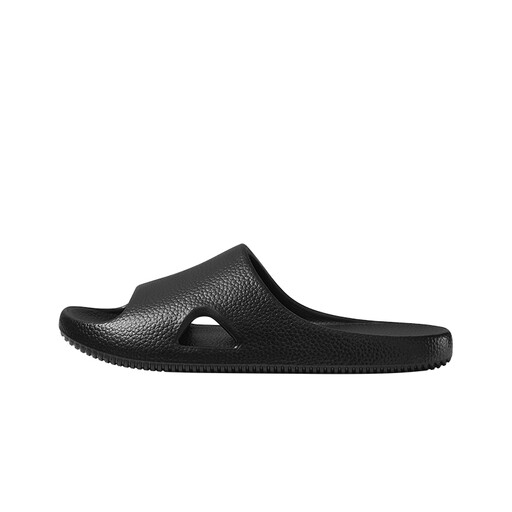
Why this fits the profile: This unisex model is designed for daily use at home and short trips. The thin EVA sole and open sides keep the design light and simple.
The product description mentions size selection based on foot length, side drainage holes, and a lightly moulded design. This means you don't have to rely solely on appearance or shoe size.
One-piece EVA, lightweight sole, arch support according to the product information, and side drainage holes.
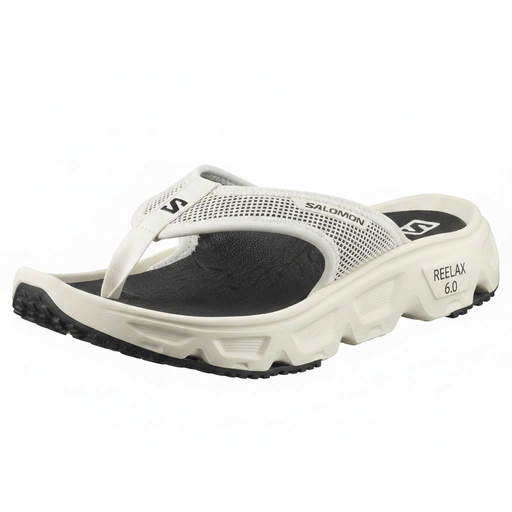
Why this fits the profile: These women's slippers are designed for relaxed use after activity and for everyday comfort. The combination of textile, moulded EVA, and a rubber outsole offers more construction than a simple slide.
The specifications mention the weight of 195 grams per slipper, a moulded EVA inner layer, and ContaGRIP rubber. Do check whether the fit and tread suit your feet.
Moulded EVA insole, EnergyCell EVA midsole, and non-marking ContaGRIP rubber outsole.
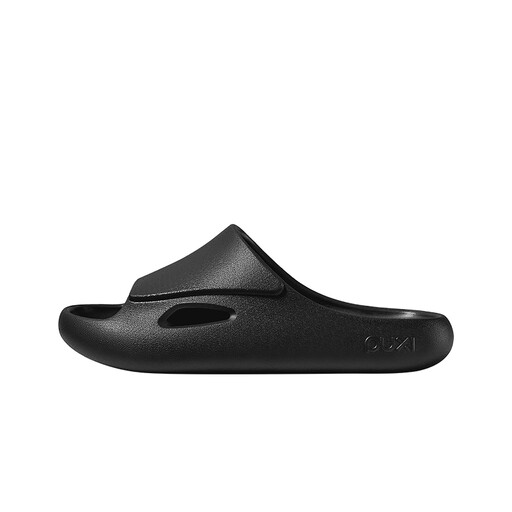
Why this fits the profile: This model is specifically described for the bathroom and other damp areas. It suits users looking for quick-drying bathroom slippers with an enclosed footbed.
The product information mentions drainage channels and a wave tread with deep grooves. These are verifiable features that are better suited to wet floors than a smooth sole.
High-density EVA, recessed footbed, drainage construction, and a textured outsole according to the product specifications.
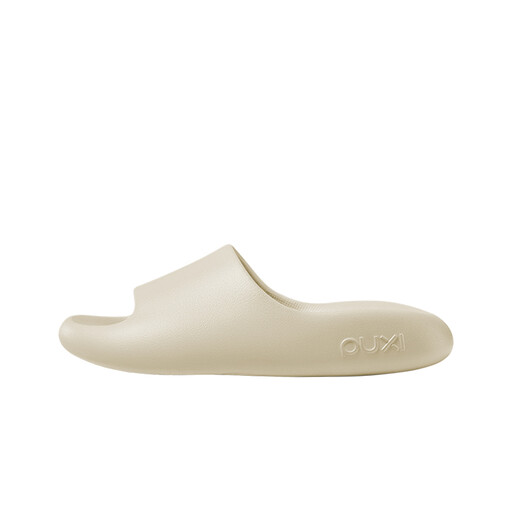
Why this fits the profile: The wide instep, 3 cm thick EVA sole, and full toe rim make this model interesting for home use and for feet that need more room.
The described fit is wider and the footbed is recessed. This means there is more attention to space and fit than with a flat, narrow slipper.
3 cm EVA sole, fully moulded toe rim, recessed footbed, and grid pattern on the sole.
Disposable slippers are mainly practical for guests, travel, or one-time use. They are not intended as a replacement for durable house slippers for daily walking. Individually packaged models, such as the YIJINCHAN slippers, have a universal fit and a textured sole, but offer less choice in size and footbed.
We've put together a full, up-to-date list of products that fully meet these strict selection criteria and comply with current European safety regulations.
Choose bathroom slippers with a grooved tread, a firm footbed, and water drainage features. A drainage sole helps water stay under your foot for less time. Check the tread regularly, as grip decreases when the pattern wears down.
Your toes shouldn't come over the front, and your foot shouldn't constantly slide over the edge of the footbed. If in doubt, measure your foot length in millimetres and compare it with the product's size chart. For wide feet, a broad forefoot and enough room at the instep are important points to consider.
That depends on the material, frequency of use, moisture, and surface. EVA slippers can last a long time with normal home use, but a soft sole can wear out more quickly with daily outdoor walking. Replace slippers when the sole becomes smooth, deformed, or damaged, or when the footbed no longer offers a stable fit.
