
Vandaag of morgen in huis

Kwaliteit gegarandeerd

Welkomstaanbiedingen ontgrendelen: GRATIS bezorging | Tot 80% korting | Gratis 30 dagen JoyPlus-proefperiode
Download de app
Buying shoes seems simple until a pair starts to pinch after a few weeks, offers insufficient grip or turns out to be too warm for everyday use. Online, you often see terms such as “lightweight”, “comfortable” and “durable”, but descriptions like these mean little without specific product information.
Three common pitfalls are:
Measure your foot at the end of the day, when your feet usually take up slightly more space. Place your heel against a wall and measure to the longest point of your foot. Compare this length with the size chart for the specific model.
Also pay attention to:
With some models, the displayed product size differs from the size shown in the technical information. Before ordering, check the title, size chart and selected variant. A comfortable shoe should fit snugly, but must not squeeze your toes.
The midsole largely determines how a shoe feels when walking, running or standing for long periods. EVA foam is often used to keep shoes lightweight while providing cushioning. However, the precise firmness and construction vary from model to model.
For running shoes and sports shoes for tarmac, a flexible, cushioned sole is usually practical. For trail running shoes and walking shoes, stability, protection and grip are often more important than a soft ride.
Bear in mind that claims about shock absorption or support may come from the brand’s product information. Therefore, do not regard “protects joints” as a medically proven effect. Focus instead on verifiable details such as:
The outsole should suit the environment in which you use the shoes. Rubber can provide grip and durability, but the tread is just as important. Deep grooves are useful on loose or wet surfaces, while a flatter tread is more commonly suited to casual shoes and everyday use.
For the Dutch weather, the upper is also relevant:
A waterproof shoe is not the same as a shoe that stays dry in all conditions. Water can, for example, enter through the collar. Also follow the care instructions: many models should not be put in a washing machine or tumble dryer.
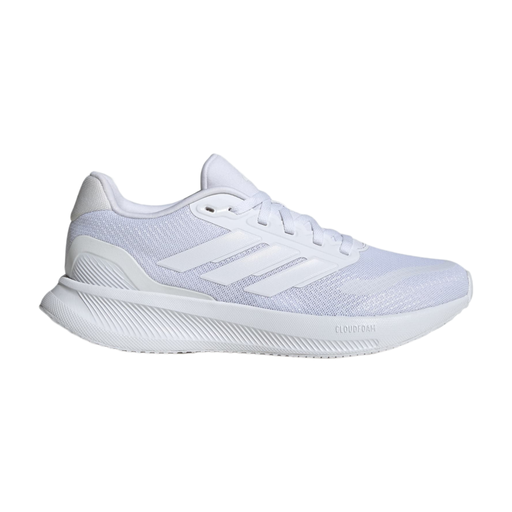
Why it suits this profile: A versatile choice for walking, light training and everyday wear. The mesh upper and understated look work well with an active, casual wardrobe.
The product description mentions an engineered mesh upper, a flexible outsole and cushioning. Before buying, however, check the displayed EU size, as the product information contains different size references.
Mesh, textile lining, a flexible sole and recycled materials according to the product information.
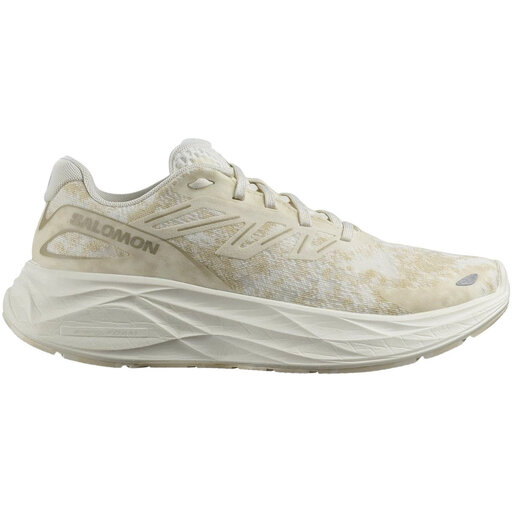
Why it suits this profile: Designed for women who run on tarmac or are looking for a dedicated running shoe for urban training routes.
The product description explicitly mentions hard surfaces, a lace fastening and a rubber sole. This makes the intended use clearer than with a general trainer.
Synthetic and textile upper, soft textile lining and a thick rubber sole with grip and cushioning according to the product details.

Why it suits this profile: For trail running, walking and routes with wet or uneven surfaces, where grip and stability matter more than an especially soft sole.
According to the product description, it features a GORE-TEX membrane, 3D Advanced Chassis, Quicklace system and Contagrip outsole. The specifications therefore link the shoe to wet and technical routes.
Waterproof membrane according to the product information, reinforced toe and heel, and a treaded sole for different terrains.
For wearing at home, travelling or popping out for a few quick errands, flip-flops and clogs are often more practical than closed trainers. In wet areas, look for drainage channels, a recessed footbed and a treaded sole. For example, the PUXI Wave Bathroom Slippers feature drainage channels and a grooved EVA outsole. With platform shoes such as the CROCS Crush Sandal, it is sensible to pay extra attention to stability and the fit of the heel strap.
For everyday use, a New Balance 574, Vans Old Skool, Puma Speedcat or Skechers D’Lites could also be suitable. For leather or synthetic materials, check the care instructions, and for mesh or textile, consider the breathability. A pair that looks good is not automatically suitable for long walks or intensive sports sessions.
We have put together a complete, up-to-date list of products that fully meet these strict selection criteria and the applicable European safety regulations.
Measure both feet and use the longer foot as your guide. Compare the measurement with the model’s size chart, rather than relying solely on your usual EU size. Also check whether the size chart gives the foot length or the shoe’s internal length.
Lifespan depends on the materials, how often they are used, your body weight, the surface and maintenance. Frequently used running shoes wear differently from casual shoes for short distances. Replace a pair when the sole shows visible uneven wear, the upper starts to come away or the fit noticeably changes.
Not necessarily. A higher price may be linked to the materials, brand, construction or technology, but comfort remains personal. First choose the right type for your activity, then compare cushioning, weight, grip, fastening and materials. This helps you avoid paying for features you will not use.
