
Vandaag of morgen in huis

Kwaliteit gegarandeerd

Welkomstaanbiedingen ontgrendelen: GRATIS bezorging | Tot 80% korting | Gratis 30 dagen JoyPlus-proefperiode
Download de app
Buying shoes and trainers seems straightforward, until you have to choose between women’s trainers, men’s trainers, children’s shoes, running shoes and casual trainers. An attractive design is not automatically suitable for long walks, intensive exercise or everyday use in changeable British weather.
Most disappointing purchases usually result from three common pitfalls:
Measure both feet at the end of the day, when feet often take up slightly more space. Compare the longer foot with the size chart for the specific model. Pay attention to:
A shoe that is too short can feel uncomfortable. A model that is too wide may feel less stable. For children’s shoes, a secure fastening such as hook-and-loop is practical for school and playtime. Also check regularly that the size still fits, as children grow quickly.
A mesh or textile upper can be more breathable than dense synthetic material. This is relevant for running shoes, lightweight sports shoes and everyday use in warm conditions. Leather can be more durable and offer a different look, but it often requires more maintenance.
Pay attention to the difference between:
A product description may refer to a “breathable” construction, for example. Treat this as a material characteristic: a mesh upper is designed to allow air and heat to pass through more easily. It is not a guarantee that your feet will stay dry in all conditions.
For use in town, a rubber sole with a relatively flat tread is often sufficient. If you regularly walk on unpaved paths, you will benefit more from a pronounced tread that provides grip on mud, loose ground and wet stones. Trail running shoes are therefore not automatically the most logical choice for the office or everyday shopping.
Also consider flexibility. A low, flexible sole is often well suited to casual or lifestyle trainers. For running, cushioning, fit and a secure heel are more important. According to the PELLIOT product description, the ROCKYTEC outsole is designed to provide grip on wet rocks, mud and sand, among other surfaces. When buying, check which sole variant you are selecting, as some versions are described as featuring Vibram Megagrip.
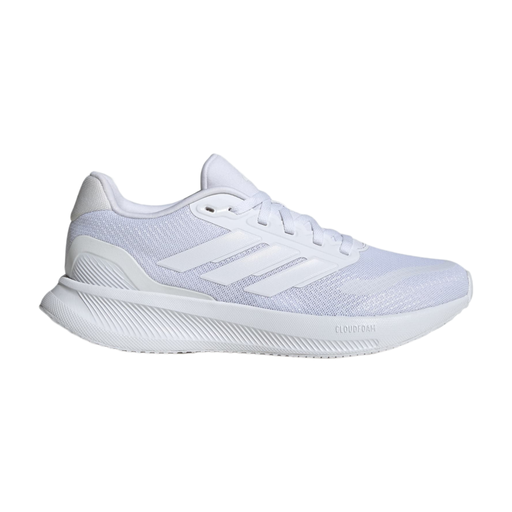
Why it suits this profile: This white model combines a mesh upper with a sporty shape that also works well with everyday outfits. It is a practical choice for anyone looking for one pair for light training and everyday wear.
The product information lists specific features: engineered mesh, a flexible outsole and responsive cushioning. This makes it easier to assess whether the model suits the way you intend to use it.
Mesh upper, textile lining, rubber outsole and a stated foot length of 22.9 cm for the size shown.
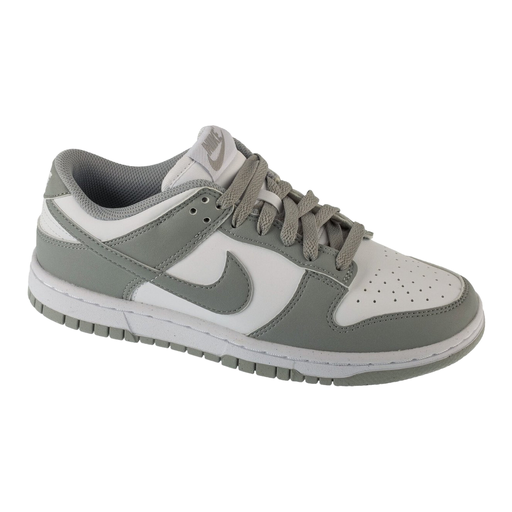
Why it suits this profile: The Nike Dunk Low is primarily suitable as a lifestyle trainer for everyday wear. Its low silhouette and white design with pastel accents make it easy to pair with casual clothing.
The specifications make it clear that this is a leather and textile trainer with a rubber sole. This prevents you from confusing a lifestyle model with running shoes or trail running shoes.
Leather and textile upper, padded collar, cushioned insole and rubber outsole with pivot point.

Why it suits this profile: According to the product description, this model is designed for running across a range of surfaces, from city streets to mountain trails. It is suitable for users looking for one pair for both running and trail running.
The description mentions not only cushioning, but also a durable upper, EVA midsole and ROCKYTEC rubber outsole. Before buying, check the selected fit and sole variant.
Sandwich mesh and woven textile, highly elastic EVA foam layer, regular and slim fits, and a rubber lugged outsole.
We have put together a complete, up-to-date list of products that fully meet these strict selection criteria and the applicable European safety regulations.
For everyday wear, casual trainers and lifestyle trainers are often sufficient. Models such as the New Balance 574, adidas trainers, Puma Speedcat and Skechers shoes differ noticeably in shape and materials. According to the product information, the Puma Speedcat has a leather upper, IMEVA material in the midsole and a flat rubber sole. This makes it more suitable for use in town than for technical running.
For women’s trainers, you can look beyond colour and also consider the available width and the shape of the toe box. The same checks are relevant for men’s trainers; do not rely solely on the “men’s” or “women’s” label. For children, a flexible sole, secure fastening and regular fit are often practical. The Skechers Go Run 400-Darvix, for example, is described as having a mesh upper, rubber sole and hook-and-loop fastening.
Lifespan depends on use, surface, body weight, running style and maintenance. A pair worn every day will wear out faster than one used alternately. Look out for these signs:
Clean shoes according to the label or product information. Many models should not be put in the washing machine. For some models, hand washing with mild soap and cold water, followed by drying at room temperature, is recommended. Do not use a radiator or hairdryer on materials that could become misshapen as a result.
Measure your foot in millimetres or centimetres and compare the measurement with the model’s size chart. Also check the fit: regular, slim, narrow or wide. Review the returns policy before ordering, so you can assess the fit with confidence.
There is no fixed lifespan. The surface, frequency of use and running style all make a difference. Regularly check the wear on the sole and the condition of the cushioning. If you notice visible deformation or a significant loss of comfort, it is sensible to compare the shoes with a new pair.
You can, but it depends on the design. A breathable and flexible model can be comfortable for walking and commuting. A pronounced trail running shoe with a deep tread may be less practical on smooth floors and could wear out more quickly. Choose based on how you will use the shoes most often.
