
Vandaag of morgen in huis

Kwaliteit gegarandeerd

Welkomstaanbiedingen ontgrendelen: GRATIS bezorging | Tot 80% korting | Gratis 30 dagen JoyPlus-proefperiode
Download de app
Buying shoes online seems simple until you discover that the same size can fit differently from one brand to another, or that a model designed for the city is unsuitable for muddy trails. Marketing terms such as “extra comfort”, “all-terrain” and “waterproof” sound appealing, but they only tell you something when you check the underlying specifications.
The most common buying mistakes are usually:
Below, you’ll find the points you should check before placing your order.
Don’t start with the colour or brand. Start with the situations in which you’ll wear the shoes.
The outsole largely determines how the shoe responds to the surface beneath it. A flat tread, as found on some lifestyle trainers, feels stable on hard ground and suits a casual wardrobe. For wet woodland paths, rocks or mud, multidirectional lugs or deep grooves are a more logical choice.
Also consider the material:
A common mistake is buying an aggressive trail tread for everyday use in the city. It may feel less smooth and wear more quickly on asphalt. Conversely, a flat trainer may offer too little traction on wet walking paths.
Comfortable shoes are not the same for everyone. That’s why you should assess the following combination:
With GORE-TEX shoes, it’s wise to assess the complete construction. According to the product descriptions for the relevant Salomon models, the GORE-TEX membrane supports protection against moisture and breathability. However, the shoe’s performance also depends on the seams, tongue construction, socks, maintenance and the extent to which it is submerged.
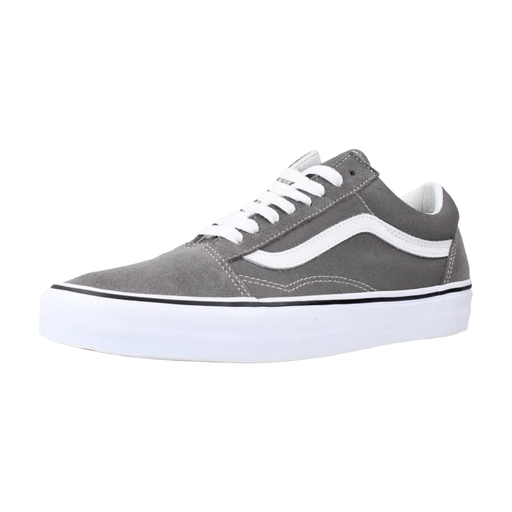
Why it suits this profile: A low-cut model for everyday use, work, walking around town and casual outfits. The combination of suede and canvas suits anyone looking for a distinctive trainer without a technical trail construction.
The product information specifies a flat sole and a low profile. This makes its intended use clearer: everyday wear rather than demanding terrain.
Suede-canvas upper, textile insole and rubber sole according to the product listing.
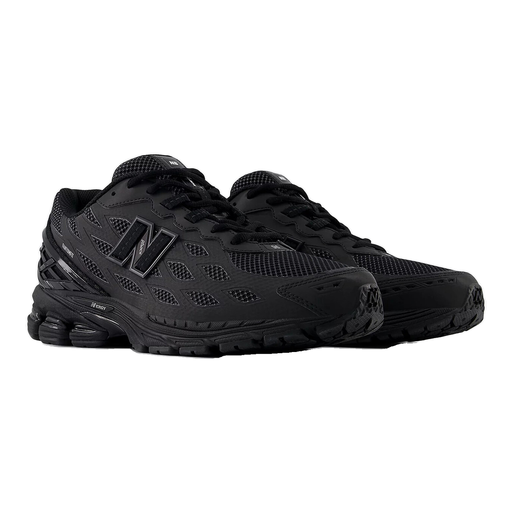
Why it suits this profile: For anyone looking for a sports shoe with a lifestyle look for long days, light activities and everyday use.
The product listing specifies mesh with synthetic overlays and a rubber outsole. This means you can compare ventilation and grip more deliberately.
Mesh and synthetic upper; rubber sole; ABZORB midsole according to the product information.
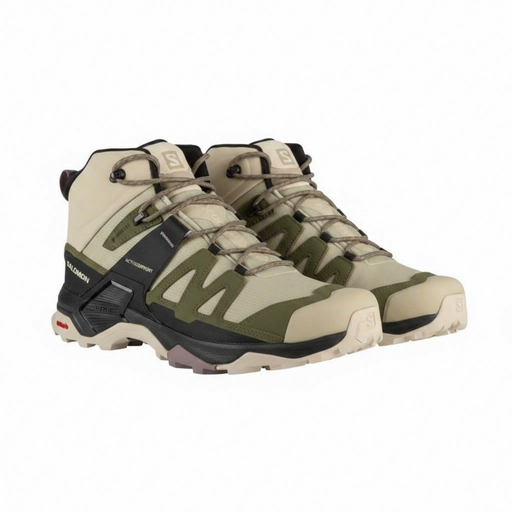
Why it suits this profile: A mid-cut walking shoe for walkers who regularly tackle uneven paths, wet ground and longer outdoor activities.
The specifications mention a mid-cut design, GORE-TEX membrane and Contagrip MA outsole. This makes the difference from an ordinary trainer immediately clear.
Synthetic-textile upper, EnergyCell midsole and Contagrip MA rubber according to the product description.
We’ve put together a complete, up-to-date list of products that fully meet these strict selection criteria and the applicable European safety requirements.
Before placing your order, check:
Clean shoes according to the product label. Many models should not be put in the washing machine. For mesh, use a soft brush or damp cloth and allow shoes to dry at room temperature, away from radiators or direct heat. Leather generally requires a suitable care product; do not submerge it in water.
Products sold in the EU are covered by statutory consumer rights. The product information for several of the models mentioned states a minimum statutory warranty of two years. Before placing your order, check the current terms and conditions for the product and seller.
Measure both feet while wearing the socks you would normally wear with the model. Compare the longer foot with the size chart on the product page. Also check the stated width and fit. If you’re between two sizes, the returns policy can help you order with less risk.
It depends on the material, use, body weight, surface and maintenance. A casual trainer worn every day on asphalt will wear differently from a walking shoe used occasionally on woodland paths. Look for wear on the tread, seams coming loose and deformation of the sole. Replace shoes when they no longer feel suitable or safe for their intended use.
No. Price is no substitute for a good fit. Compare the measurable features: material, sole tread, fastening, size range, lining and care requirements. A simple casual shoe may be more suitable for everyday use than a technical model, while trail running shoes offer more specialised features for off-road terrain.
